Hey there! As a supplier of Steel Z Purlins, I often get asked whether these bad boys are resistant to chemical corrosion. It's a valid question, especially when you're using them in various industrial and construction settings where they might come into contact with all sorts of chemicals. So, let's dive right in and explore this topic.
First off, let's understand what Steel Z Purlins are. They're those long, Z-shaped steel structures that are commonly used in the construction industry. They're super versatile and can be used for roofing, wall support, and all sorts of other structural applications. You might also be interested in Formed Steel Channel and Slotted U Channel, which are related products and have their own unique uses.
Now, let's talk about chemical corrosion. Chemical corrosion is basically when a metal reacts with chemicals in its environment and starts to break down. This can be caused by things like acids, alkalis, salts, and even some gases. When steel corrodes, it forms rust, which can weaken the structure over time and eventually lead to failure.
So, are Steel Z Purlins resistant to chemical corrosion? Well, it depends. Steel itself is not inherently resistant to corrosion. However, there are several ways to make Steel Z Purlins more corrosion-resistant.
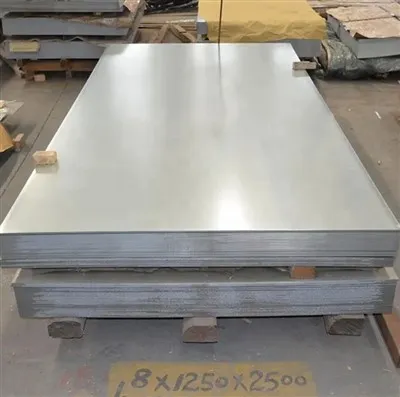
One common method is galvanization. Galvanized steel is coated with a layer of zinc, which acts as a sacrificial anode. This means that the zinc will corrode before the steel does, protecting the underlying steel from damage. Galvanized Steel Z Purlins can offer good resistance to many common chemicals, especially in mild to moderately corrosive environments. For example, in a normal industrial setting where there's a bit of moisture and some airborne pollutants, galvanized Steel Z Purlins can last for a long time without significant corrosion.
Another option is to use stainless steel. Stainless steel contains chromium, which forms a thin, protective oxide layer on the surface of the steel. This oxide layer prevents further corrosion by acting as a barrier between the steel and the surrounding environment. Stainless Steel Z Purlins are highly resistant to a wide range of chemicals, including acids, alkalis, and salts. They're often used in more severe corrosive environments, such as chemical plants, food processing facilities, and coastal areas where there's a lot of salt in the air.
However, even with these protective measures, there are still some factors that can affect the corrosion resistance of Steel Z Purlins. For example, the concentration and type of chemicals in the environment play a big role. If the chemicals are very strong or aggressive, even galvanized or stainless steel can eventually corrode. The temperature and humidity also matter. High temperatures and humidity can accelerate the corrosion process, especially in the presence of certain chemicals.
In addition, the condition of the surface of the Steel Z Purlins is important. If the surface is damaged or scratched, it can expose the underlying steel to the environment, making it more susceptible to corrosion. So, it's important to handle and install the purlins carefully to avoid any damage.
Let's take a look at some real-world examples. In a chemical storage facility, where there are often spills and leaks of various chemicals, using stainless steel Steel Z Purlins would be a smart choice. The high corrosion resistance of stainless steel would ensure that the purlins can withstand the harsh chemical environment and maintain their structural integrity over time. On the other hand, in a normal warehouse setting with relatively clean air and only a little bit of moisture, galvanized Steel Z Purlins would probably be sufficient.
Now, if you're in the market for Steel Z Purlins and you're worried about chemical corrosion, it's important to assess your specific needs. Think about the environment where the purlins will be used, the type and concentration of chemicals they might come into contact with, and your budget. If you're not sure, you can always consult with a professional engineer or corrosion expert.


As a supplier, I can offer you a wide range of Steel Z Purlins, including galvanized and stainless steel options. I can also provide you with detailed information about the corrosion resistance of each type and help you choose the right product for your project. Whether you're building a small shed or a large industrial complex, I've got the purlins you need.
If you're interested in learning more or making a purchase, don't hesitate to get in touch. I'm here to answer all your questions and help you find the best solution for your construction needs. Just reach out, and we can start discussing your project and how Steel Z Purlins can fit into it.
In conclusion, Steel Z Purlins can be made resistant to chemical corrosion through various methods such as galvanization and using stainless steel. However, the actual corrosion resistance depends on many factors, including the environment, the type of chemicals, and the condition of the purlins. By choosing the right type of purlins and taking proper care of them, you can ensure that they'll serve you well for a long time.
References:
- "Corrosion of Metals" by Uhlig, H. H.
- "Handbook of Corrosion Engineering" by Fontana, M. G.