Do equal angle bars have good optical properties?
Hey there! As a supplier of equal angle bars, I often get asked all sorts of questions about these handy metal pieces. One question that's popped up more than a few times lately is whether equal angle bars have good optical properties. So, let's dig into this topic and see what we can find out.
First off, let's talk about what equal angle bars are. They're basically metal bars with two legs of equal length that meet at a right angle. These guys are super versatile and are used in all kinds of construction, fabrication, and DIY projects. You can find them in different materials like steel, aluminum, and even brass. And they come in various sizes too, like the Angle Bar 2X2X1 4 which is pretty popular for many applications.


Now, onto the optical properties. When we talk about optical properties, we're looking at how a material interacts with light. This can include things like reflection, refraction, and absorption. For a lot of people, when they think of materials with good optical properties, they usually picture things like glass, crystal, or high - tech polymers. Metals, on the other hand, aren't typically the first thing that comes to mind.
But let's not be so quick to dismiss equal angle bars when it comes to optics. To start, metal surfaces can be reflective. If you've ever seen a shiny piece of steel or aluminum, you know that it can bounce light off its surface. This reflection can be quite useful in some situations. For example, in industrial settings where there's a need to direct light in a specific direction, equal angle bars with a polished or smooth surface can act like basic reflectors.
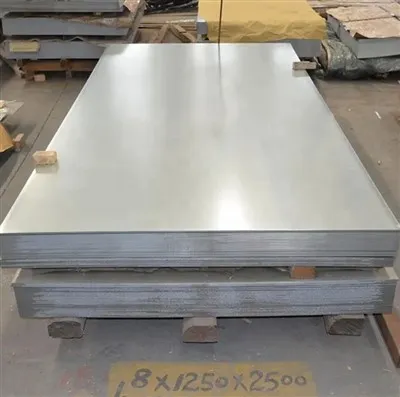
However, it's important to note that the reflective properties of equal angle bars depend a lot on the material and the finish. Take Galvanised Angle Bar for instance. Galvanization is a process where a layer of zinc is applied to the metal to prevent corrosion. While this is great for durability, it can also change the surface texture and thus the reflective properties. A freshly galvanized bar might have a somewhat dull, matte - like finish which won't reflect light as well as a highly polished stainless - steel bar.
On the other hand, if you choose an equal angle bar made of a highly reflective material like polished aluminum, it can have some pretty decent reflective capabilities. Aluminum is known for its ability to reflect a large portion of the light that hits it, especially in the visible light spectrum. This can be used in applications where you want to enhance the overall lighting in a space, like in a factory or a warehouse. You could align the angle bars in a way that they catch and redirect ambient light, making the area more well - lit.
But what about refraction? Refraction is the bending of light as it passes from one medium to another. Metals generally don't have significant refractive properties because they're opaque. Light doesn't pass through them; it just bounces off the surface. So, in terms of refraction, equal angle bars aren't really going to be the star of the show.
Absorption is another aspect of optical properties. Different materials absorb light to different degrees. Darker metals tend to absorb more light than lighter, more reflective ones. For example, if you have a black - painted equal angle bar, it's going to absorb more light compared to a shiny silver one. This can be a consideration in applications where you want to minimize light reflection or where you're dealing with heat generated by light absorption. In a solar installation, for instance, you might want a bar that doesn't absorb too much light if you're trying to prevent overheating.
Now, let's talk about some real - world applications where the optical properties of equal angle bars can matter. In architectural design, equal angle bars can be used as decorative elements. If they're given a high - gloss finish, they can add a touch of sparkle and visual interest to a building facade. Imagine a modern - looking office building with sleek, shiny angle bars used as accents. They can catch the sunlight and create interesting reflections and patterns, making the building more visually appealing.
In the manufacturing of precision instruments, the optical properties of the equal angle bars used in their construction can also be a factor. Even a small amount of light reflection or absorption can potentially affect the performance of an instrument. For example, in a laser - based measuring device, the angle bars used in the frame need to have consistent and predictable optical properties to ensure accurate measurements.
So, do equal angle bars have good optical properties? Well, it depends on what you mean by "good" and what your specific application is. They're not going to replace glass or other traditional optical materials in applications that require high - quality refraction or extremely precise light manipulation. But in many practical situations, their reflective and absorption properties can be utilized effectively.
If you're in the market for equal angle bars and are thinking about how their optical properties might fit into your project, we're here to help. We offer a wide range of equal angle bars, including Right Angle Bar, in different materials and finishes. Whether you need a highly reflective bar for a lighting application or a low - absorption one for a heat - sensitive project, we can work with you to find the right solution.
If you're interested in learning more about our products, exploring different options, or starting a conversation about a potential purchase, feel free to reach out. We're always ready to have a chat and see how we can support your project.
References
- "Metals and Their Properties" - Basic materials textbook
- Industry reports on the use of angle bars in construction and manufacturing