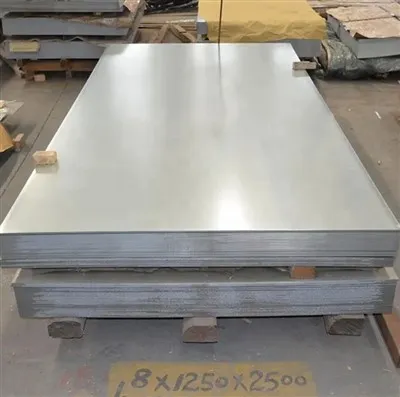
Hey there! As a supplier of Ss304 plates, I often get asked, "Can Ss304 plate be bent?" Well, let's dive right into this topic and find out.
First off, let's talk a bit about what Ss304 plate is. Ss304, also known as 304 Stainless Steel Plate, is one of the most commonly used stainless - steel grades. It's made up of around 18% chromium and 8% nickel, which gives it excellent corrosion resistance. You can find more detailed info about it on this page: 304 Stainless Steel Plate.
Now, back to the question at hand. The short answer is yes, Ss304 plate can be bent. But there are a bunch of factors that come into play when you're looking to bend it.
Factors Affecting the Bendability of Ss304 Plate
Thickness
One of the most crucial factors is the thickness of the plate. Thinner Ss304 plates are generally easier to bend compared to thicker ones. A thin plate, say around 1 - 2 mm, can be bent with relative ease using simple tools like a bench vise and a hammer. On the other hand, if you're dealing with a thick plate, let's say 10 mm or more, you'll need heavy - duty machinery like a press brake.
Bend Radius
The bend radius also matters a great deal. A larger bend radius is easier to achieve than a smaller one. When you try to bend the Ss304 plate with a very small radius, there's a higher chance of cracking or fracturing. For example, if you want a sharp 90 - degree bend with a small radius, you need to be extra careful and may need to pre - heat the plate to increase its malleability.
Grain Direction
The grain direction of the Ss304 plate is another important factor. Bending the plate along the grain is usually easier and results in fewer issues. If you try to bend it across the grain, you might encounter problems like splitting or uneven bends. So, it's essential to identify the grain direction before you start the bending process.
Methods of Bending Ss304 Plate
Cold Bending
Cold bending is a popular method, especially for thinner Ss304 plates. It involves bending the plate at room temperature. You can use various tools for cold bending, such as a press brake, which is a machine that uses a die and a punch to create the bend. Cold bending is relatively quick and doesn't require any additional heating equipment. However, it has its limitations. As I mentioned earlier, it might be difficult to achieve a small bend radius or bend very thick plates using this method.
Hot Bending
Hot bending, as the name suggests, involves heating the Ss304 plate before bending it. Heating the plate makes it more malleable, allowing you to achieve tighter bends and bend thicker plates. The plate is usually heated to a temperature between 800 - 1000°C. But hot bending has its drawbacks too. It requires specialized heating equipment, and there's a risk of oxidation on the surface of the plate if it's not properly protected during the heating process.
Applications of Bent Ss304 Plate
Bent Ss304 plates have a wide range of applications. In the construction industry, they're used for making architectural elements like handrails, facades, and decorative features. The corrosion - resistant property of Ss304 makes it ideal for outdoor applications where it can withstand the elements.
In the manufacturing sector, bent Ss304 plates are used to create various components for machinery, such as brackets, frames, and enclosures. Their strength and durability make them suitable for withstanding the stresses and strains of industrial operations.
Comparing Ss304 with Other Stainless - Steel Grades
If you're considering other stainless - steel grades for bending, you might look at 304L Stainless Steel Plate and 309 Stainless Steel Plate.
304L is a low - carbon version of 304. It has similar bendability to 304 but offers better resistance to intergranular corrosion, especially in welded applications. So, if you're planning to weld the bent plate, 304L might be a better choice.
309 stainless - steel plate, on the other hand, has a higher chromium and nickel content than 304. It offers better high - temperature resistance and is more suitable for applications where the plate will be exposed to extreme heat. However, it's generally a bit harder to bend compared to 304 due to its higher alloy content.
Tips for Successful Bending
If you're planning to bend Ss304 plates, here are some tips to keep in mind:
- Prepare the Plate: Make sure the plate is clean and free from any surface defects. A rough or dirty surface can cause problems during the bending process.
- Use the Right Tools: Choose the appropriate bending tools based on the thickness and bend requirements of the plate.
- Test First: If possible, do a test bend on a small piece of the plate to see how it behaves and adjust your process accordingly.
Conclusion
So, to sum it all up, Ss304 plate can definitely be bent, but it depends on several factors like thickness, bend radius, and grain direction. Whether you choose cold bending or hot bending, each method has its own pros and cons. And compared to other stainless - steel grades, 304 offers a good balance of bendability, corrosion resistance, and cost - effectiveness.
If you're in the market for Ss304 plates or have any questions about bending them, don't hesitate to reach out. I'm here to help you with all your Ss304 plate needs and can provide you with high - quality products that meet your specifications. Just get in touch, and we can start a great business relationship!
References
- "Stainless Steel: Properties, Processing, and Applications" - A comprehensive guide on stainless - steel materials and their uses.
- Industry reports on stainless - steel manufacturing and bending techniques.