Can 150 C Purlins be used in wall structures? This is a question that many in the construction industry often ponder. As a supplier of 150 C Purlins, I have had numerous conversations with architects, contractors, and builders about the suitability of these purlins for wall applications. In this blog post, I will delve into the technical aspects, advantages, and limitations of using 150 C Purlins in wall structures.
Technical Overview of 150 C Purlins
150 C Purlins are cold - formed steel sections with a characteristic C - shape. They are typically made from high - strength steel, which provides excellent strength - to - weight ratio. The "150" refers to the depth of the purlin, measured in millimeters. These purlins are commonly used in roofing and wall applications in light - gauge steel framing systems.
The dimensions of a 150 C Purlin, including the flange width, web thickness, and lip length, are carefully designed to meet specific structural requirements. The C - shape offers good resistance to bending moments, making it suitable for spanning relatively long distances between supports. The material properties of the steel, such as its yield strength and modulus of elasticity, also play a crucial role in determining the purlin's performance in a wall structure.
Advantages of Using 150 C Purlins in Wall Structures
Structural Strength
One of the primary advantages of using 150 C Purlins in wall structures is their structural strength. The C - shape provides a high moment of inertia, which means it can resist bending and lateral loads effectively. This is particularly important in wall applications, where the structure may be subjected to wind loads, seismic forces, or the weight of cladding materials. For example, in a multi - story building, the 150 C Purlins can act as vertical studs, providing support for the floors and the exterior cladding.
Lightweight
Compared to traditional building materials such as concrete or masonry, 150 C Purlins are relatively lightweight. This makes them easier to handle, transport, and install. The reduced weight also means that the foundation requirements for the building can be less extensive, which can result in cost savings. Additionally, the lightweight nature of the purlins makes them suitable for retrofit projects, where adding a new wall or strengthening an existing one may be limited by the existing foundation capacity.
Versatility
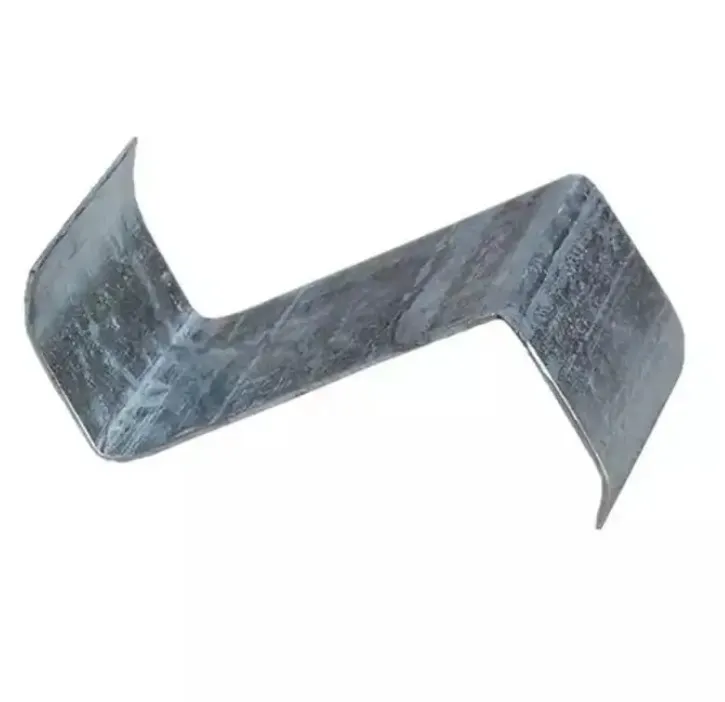
150 C Purlins are highly versatile and can be used in a variety of wall configurations. They can be combined with other structural elements such as Z Section Steel, Slotted U Channel, and Formed Steel Channel to create custom - designed wall systems. For instance, Z Section Steel can be used in combination with 150 C Purlins to provide additional bracing and stability, especially in areas with high wind loads.
Cost - Effectiveness
In terms of cost, 150 C Purlins offer a cost - effective solution for wall construction. The manufacturing process of cold - formed steel is relatively efficient, resulting in lower production costs compared to other materials. Moreover, the ease of installation reduces labor costs, making the overall cost of the wall structure more competitive.
Limitations of Using 150 C Purlins in Wall Structures
Corrosion Resistance
One of the main limitations of using 150 C Purlins in wall structures is their susceptibility to corrosion. Steel is prone to rusting when exposed to moisture and oxygen. While most 150 C Purlins are coated with a protective layer, such as galvanization, over time, the coating may wear off, especially in harsh environmental conditions. This can lead to a reduction in the purlin's strength and durability. Therefore, proper maintenance and protection measures, such as regular inspections and the application of additional coatings, are necessary to ensure the long - term performance of the wall structure.
Fire Resistance
Another limitation is the relatively low fire resistance of 150 C Purlins. Steel loses its strength at high temperatures, and in the event of a fire, the purlins may deform or fail, compromising the integrity of the wall structure. To address this issue, fire - resistant coatings or insulation materials can be applied to the purlins. However, this adds to the cost and complexity of the construction process.
Design Complexity
Designing a wall structure using 150 C Purlins requires a good understanding of structural engineering principles. The spacing between the purlins, the connection details, and the interaction with other structural elements need to be carefully considered to ensure the overall stability and performance of the wall. This may require the involvement of a professional engineer, which can increase the design costs.
Design Considerations for Using 150 C Purlins in Wall Structures
Load Calculation
Before using 150 C Purlins in a wall structure, it is essential to calculate the loads that the wall will be subjected to. This includes dead loads (such as the weight of the purlins, cladding, and insulation), live loads (such as wind and seismic loads), and any additional loads from equipment or occupants. Accurate load calculation is crucial for determining the appropriate size and spacing of the purlins.
Connection Design
The connections between the 150 C Purlins and other structural elements, such as the foundation, floor beams, and roof trusses, are critical for the overall stability of the wall structure. The connections should be designed to transfer the loads effectively and prevent any premature failure. Common connection methods include bolted connections, welded connections, and mechanical fasteners.
Bracing
Proper bracing is necessary to prevent the 150 C Purlins from buckling under lateral loads. Bracing can be provided in the form of diagonal members, horizontal struts, or sheathing. The type and location of the bracing depend on the specific design requirements and the magnitude of the loads.
Case Studies
There have been several successful applications of 150 C Purlins in wall structures. For example, in a commercial building project, 150 C Purlins were used as vertical studs in the exterior walls. The purlins were combined with Z Section Steel for additional bracing, and the wall was clad with a lightweight aluminum panel. The result was a lightweight, cost - effective, and aesthetically pleasing wall structure that met the structural requirements of the building.

In another residential project, 150 C Purlins were used in an interior partition wall. The purlins were installed quickly and easily, and the wall provided sufficient strength and stability for the partition. The lightweight nature of the purlins also made it easier to integrate electrical and plumbing systems within the wall.
Conclusion
In conclusion, 150 C Purlins can be used in wall structures, offering several advantages such as structural strength, lightweight, versatility, and cost - effectiveness. However, they also have some limitations, including corrosion resistance, fire resistance, and design complexity. By carefully considering the design requirements, load calculations, connection details, and bracing, 150 C Purlins can be a viable option for a wide range of wall applications.
If you are considering using 150 C Purlins in your next wall construction project, I encourage you to contact me for more information. I can provide you with detailed technical specifications, pricing, and guidance on the best practices for using 150 C Purlins in wall structures. Let's work together to create a high - quality, cost - effective wall solution for your project.
References
- "Cold - Formed Steel Design Manual", American Iron and Steel Institute.
- "Structural Steel Design", Lin, T. Y., and Yu, W. W.
- "Building Construction Handbook", McGuinness, F. E.