Can 150 C Purlins be used in pre - engineered buildings?
As a supplier of 150 C purlins, I often get asked whether these purlins are suitable for pre - engineered buildings. In this blog post, I'll delve into the technical aspects, advantages, and considerations to help you make an informed decision.
Understanding 150 C Purlins
150 C purlins are cold - formed steel sections with a C - shaped cross - section. The "150" typically refers to the depth of the purlin in millimeters. These purlins are made by passing steel coils through a series of rollers to form the desired C - shape. They are commonly used in building construction, especially in roofing and wall systems.
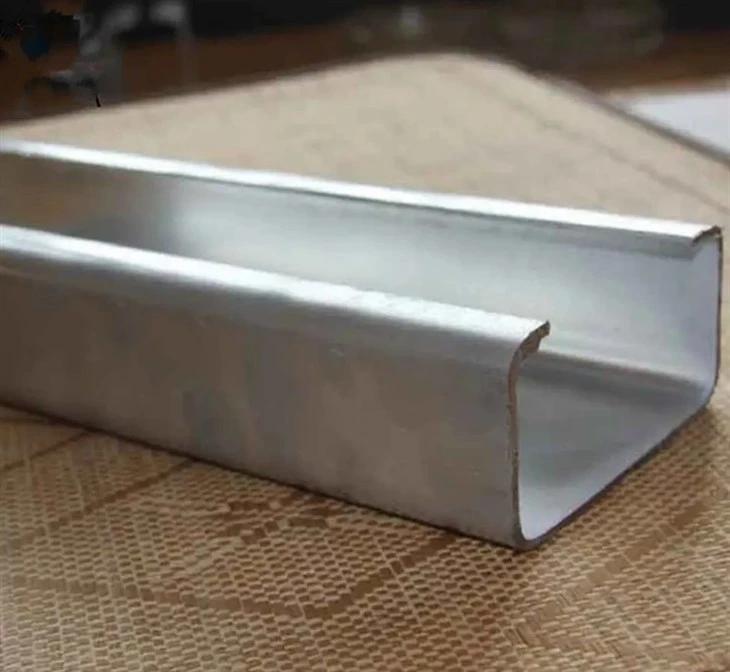
One of the key features of 150 C purlins is their high strength - to - weight ratio. Steel is a strong material, and the C - shape design provides excellent structural performance while keeping the weight relatively low. This is crucial in pre - engineered buildings, where minimizing the dead load on the foundation is often a priority.
Suitability for Pre - Engineered Buildings
Pre - engineered buildings are designed and fabricated off - site and then assembled at the construction site. They are known for their cost - effectiveness, speed of construction, and flexibility in design. So, can 150 C purlins fit into this equation?
Structural Requirements
Pre - engineered buildings need to withstand various loads, including dead loads (the weight of the building itself), live loads (such as people, equipment, and snow), and wind loads. 150 C purlins can be designed to meet these requirements. Their strength can be adjusted by changing the thickness of the steel and the manufacturing process. For example, thicker steel will increase the load - carrying capacity of the purlin.

In a typical pre - engineered building, 150 C purlins can be used as roof purlins to support the roofing sheets. They can also be used as wall girts to support the wall cladding. The spacing between the purlins or girts depends on the load requirements and the type of roofing or wall material used. For lighter roofing materials, the purlin spacing can be wider, while heavier materials may require closer spacing.
Design Flexibility
Another advantage of using 150 C purlins in pre - engineered buildings is the design flexibility. These purlins can be easily cut, drilled, and joined to fit the specific design requirements of the building. They can be used in different configurations, such as single - span or multi - span arrangements. This flexibility allows architects and engineers to create unique and functional building designs.
Cost - Effectiveness
Cost is always a major consideration in building construction. 150 C purlins are relatively inexpensive compared to other structural materials. Their lightweight nature also reduces transportation and installation costs. Additionally, since they are cold - formed, the manufacturing process is energy - efficient, which further contributes to cost savings.
Comparison with Other Purlins
It's also important to compare 150 C purlins with other types of purlins commonly used in pre - engineered buildings, such as [Steel Z Purlins]( /c - purlin/steel - z - purlins.html) and [100Mm C Purlins]( /c - purlin/100mm - c - purlins.html).
Steel Z Purlins
Steel Z purlins have a Z - shaped cross - section. They are often used in applications where continuous spans are required. Z purlins can be overlapped at the supports, which provides better load - transfer characteristics compared to C purlins in some cases. However, 150 C purlins are easier to install and are more suitable for simple, single - span applications.
100Mm C Purlins
100mm C purlins are shallower than 150 C purlins. They have a lower load - carrying capacity and are typically used in smaller buildings or in applications where the loads are relatively light. If your pre - engineered building has significant loads, 150 C purlins may be a better choice.
Considerations when Using 150 C Purlins
While 150 C purlins offer many advantages, there are also some considerations to keep in mind.
Corrosion Resistance
Steel is prone to corrosion, especially in harsh environments. To ensure the long - term durability of 150 C purlins, it's important to choose a purlin with adequate corrosion protection. [Galvanised C Section Channel]( /c - purlin/galvanised - c - section - channel.html) is a popular option, as the galvanization process coats the steel with a layer of zinc, which acts as a sacrificial anode and protects the steel from rusting.
Installation Quality
Proper installation is crucial for the performance of 150 C purlins. The purlins should be installed according to the manufacturer's instructions and relevant building codes. Incorrect installation can lead to reduced load - carrying capacity and potential structural failures. It's recommended to hire experienced contractors for the installation.
Conclusion
In conclusion, 150 C purlins can be an excellent choice for pre - engineered buildings. They offer high strength - to - weight ratio, design flexibility, and cost - effectiveness. However, it's important to consider factors such as corrosion resistance and installation quality.

If you're considering using 150 C purlins in your pre - engineered building project, I encourage you to reach out for more information. Our team of experts can provide detailed technical specifications, help you with the design process, and ensure that you get the right purlins for your needs. We're here to assist you in making your building project a success.
References
- "Cold - Formed Steel Design Manual" by the American Iron and Steel Institute.
- "Pre - Engineered Building Systems: Design and Construction" by various industry experts.