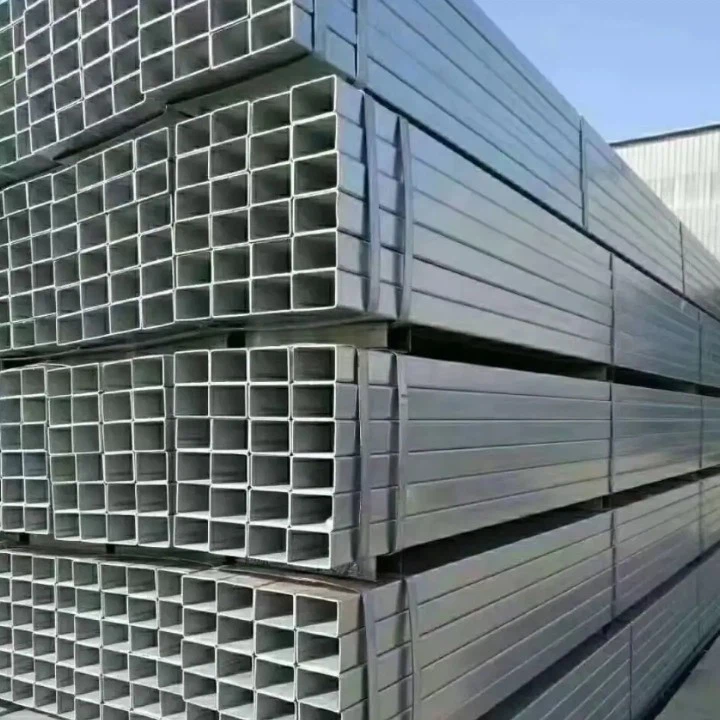
The terms "steel pipe" and "carbon steel pipe" are often used interchangeably, but there is a subtle difference between the two.
Steel Pipe:
The term "steel pipe" refers to any pipe made from steel, which is an alloy primarily composed of iron and carbon, with small amounts of other elements such as manganese, silicon, and sometimes trace amounts of other metals.
Steel pipes can be made from various types of steel, including carbon steel, stainless steel, and alloy steel.
Steel pipes are used in a wide range of applications, including plumbing, construction, oil and gas pipelines, industrial processes, and structural support.
Carbon Steel Pipe:
Carbon steel pipe specifically refers to pipes made from carbon steel, which is a type of steel alloy consisting primarily of iron and carbon. Carbon steel pipes may also contain small amounts of other elements, but carbon is the predominant alloying element.
Carbon steel pipes are known for their strength, durability, and affordability, making them a popular choice for a wide range of applications, particularly in industries such as construction, manufacturing, and infrastructure development.
Carbon steel pipes are available in various grades and specifications, depending on factors such as carbon content, tensile strength, and manufacturing process.
In summary, while all carbon steel pipes are steel pipes, not all steel pipes are necessarily carbon steel pipes. The distinction lies in the specific composition of the steel used in the pipe's construction, with carbon steel pipes being specifically made from carbon steel alloys.