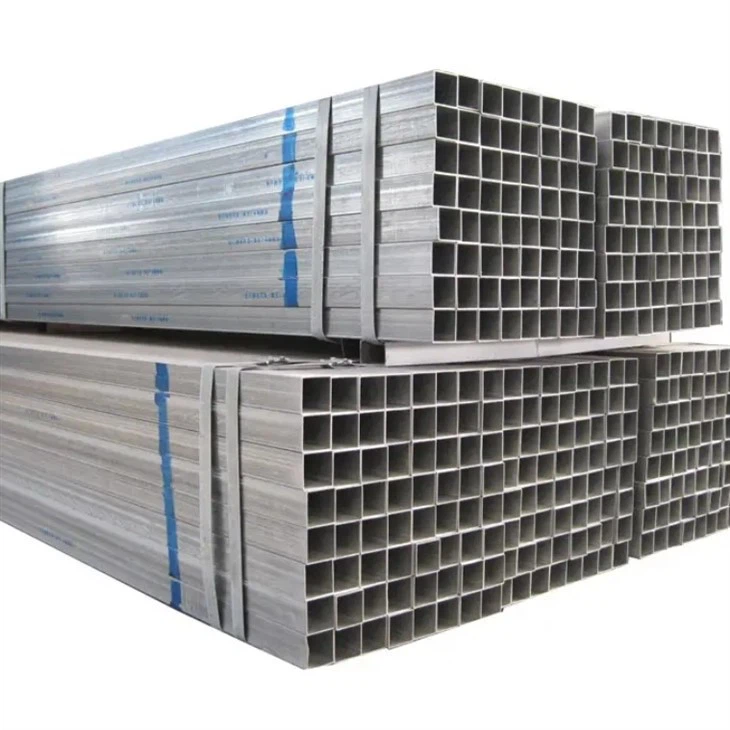
The difference between a square tube and a tube primarily lies in their shape and the specific applications they are designed for. Below is a detailed comparison of the two:
1. Shape
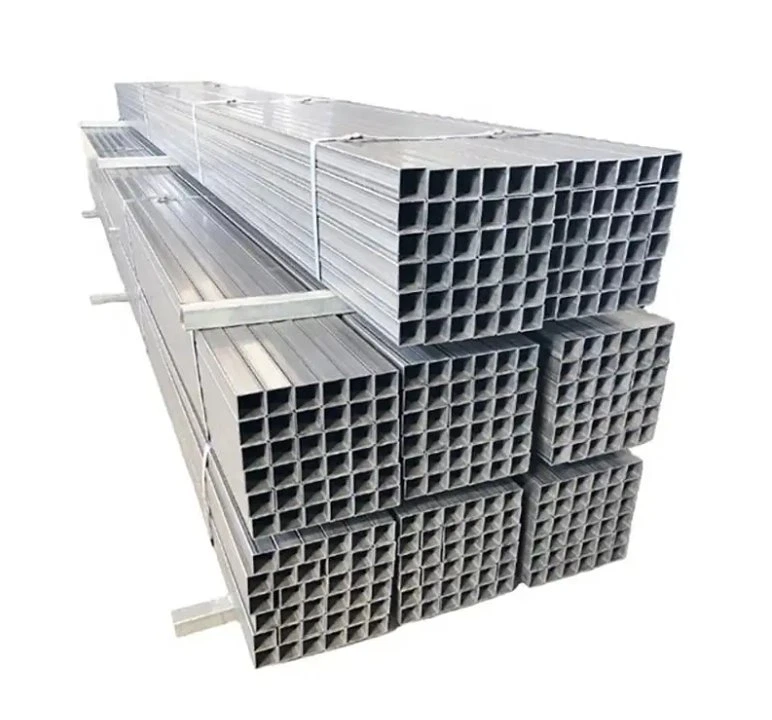
Square Tube: As the name suggests, a square tube has a square-shaped cross-section. This means all four sides of the tube are equal in length, resulting in a shape with right angles at the corners.
Tube (Round Tube): The term "tube" is often used to refer to round tubes or pipes, which have a circular cross-section. This shape is continuous and symmetrical, with no sharp corners.
2. Structural Properties
Square Tube: The square shape of the tube gives it uniform strength across all four sides. This makes square tubes ideal for applications where even load distribution is important, such as in construction frameworks, support structures, and furniture. The flat surfaces also make it easier to attach or weld square tubes to other components.
Tube (Round Tube): Round tubes are generally stronger in applications that involve handling external pressure or stress from various directions, such as in fluid and gas transportation, as well as in automotive and mechanical applications. The circular shape allows for better resistance to bending and torsion compared to square tubes.
3. Application
Square Tube: Due to its flat surfaces and angular shape, square tubes are often used in construction, architecture, and furniture making. They are ideal for building frameworks, support columns, railings, and other structures that require straight lines and clean aesthetics.
Tube (Round Tube): Round tubes are more commonly used in applications involving the flow of fluids, gases, or materials. This includes pipelines, exhaust systems, hydraulic systems, and general plumbing. The round shape minimizes turbulence and pressure drop in fluid applications.
4. Aesthetic Considerations
Square Tube: The square tube's geometric shape lends itself well to modern architectural and design elements. Its flat surfaces and sharp corners are visually appealing in settings where aesthetics matter, such as in decorative railings, furniture, and display structures.
Tube (Round Tube): Round tubes are often favored for their smooth and continuous appearance, which works well in settings where a more organic or streamlined look is desired. They are commonly used in automotive design, bike frames, and machinery.
5. Manufacturing Process
Square Tube: Square tubes are typically manufactured by taking a flat sheet of metal, bending it into a square shape, and then welding the seam along one side. This is known as Electric Resistance Welding (ERW). Square tubes can also be created from round tubes through a shaping process.
Tube (Round Tube): Round tubes can be manufactured through a seamless process or welded, depending on the application. Seamless tubes are made by extruding a solid billet of metal into a cylindrical shape, while welded tubes are made by rolling a flat sheet into a cylindrical shape and welding the seam.
6. Load Distribution
Square Tube: The flat sides of square tubes provide equal distribution of force in all directions. This makes them suitable for structural applications that require uniform support. However, they may not be as strong as round tubes under torsional stress (twisting forces).
Tube (Round Tube): Round tubes are more efficient in handling distributed loads and resisting bending in any direction. Their circular shape makes them inherently stronger against torsional forces and external pressures, which is why they are often used in situations where such stresses are common.
7. Ease of Fabrication
Square Tube: Square tubes are easier to work with in many construction and fabrication applications due to their flat surfaces. They can be easily cut, drilled, and welded, making them ideal for joining with other flat components.
Tube (Round Tube): Round tubes may be more challenging to connect to flat surfaces or other components due to their curved shape. However, they can be more easily bent or shaped without compromising strength, which is beneficial in applications that require complex geometries.
8. Cost Considerations
Square Tube: Square tubes might be slightly more expensive than round tubes of the same material and thickness because of the additional shaping process involved. However, the cost difference is usually marginal.
Tube (Round Tube): Round tubes are often produced in larger quantities and are more common in certain industries, which can make them more cost-effective for specific applications, especially when purchased in bulk.
Conclusion
In summary, the key difference between square tubes and round tubes lies in their shape, which influences their structural properties, applications, and ease of use. Square tubes are ideal for applications that require uniform strength, ease of fabrication, and a modern aesthetic, making them popular in construction, architecture, and furniture design. Round tubes, on the other hand, are better suited for handling pressure, bending, and torsional stress, making them the preferred choice in fluid transportation, automotive, and mechanical applications.
The choice between a square tube and a round tube ultimately depends on the specific needs of your project, including factors like load distribution, aesthetic preferences, and ease of fabrication. Both types of tubes offer unique advantages, and selecting the right one can help ensure the success of your project.