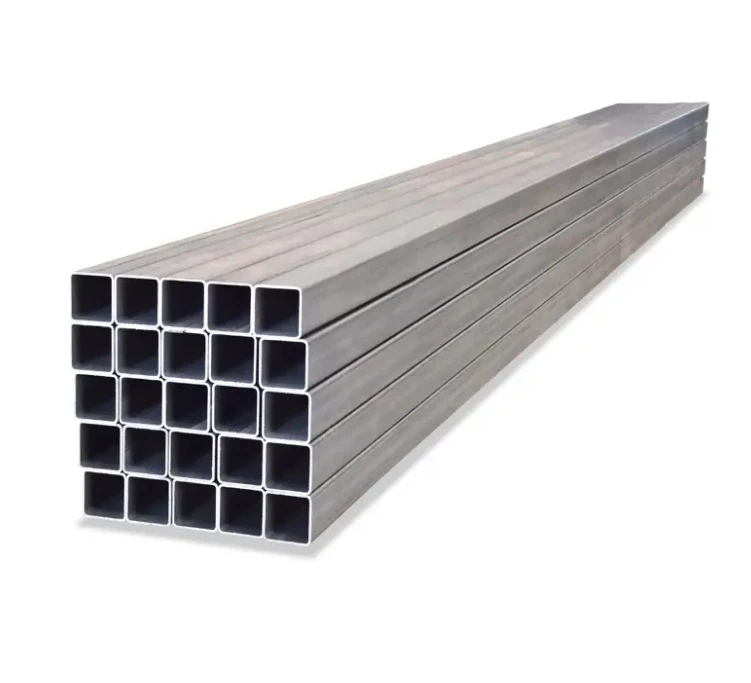
1. Material: Carbon Steel
Both Schedule 40 and Schedule 80 can be made from carbon steel, a popular material for piping due to its strength, durability, and resistance to high temperatures and pressures. Carbon steel pipes are used extensively in industrial, commercial, and infrastructure applications.
Carbon steel types used typically include:
ASTM A53 Grade A/B
ASTM A106 Grade B
API 5L Grade B These standards vary slightly in their chemical composition and mechanical properties, but all fall under the umbrella of carbon steel.
2. Dimensional Differences
Pipe Size and Wall Thickness
Both Schedule 40 and Schedule 80 pipes are categorized by nominal pipe size (NPS), which is a standardized size designation, and not the actual OD (outer diameter). The OD remains constant across all schedules for a given NPS; only the wall thickness changes.
For example:
| Nominal Pipe Size (in) | Outside Diameter (in) | Schedule 40 Wall Thickness (in) | Schedule 80 Wall Thickness (in) |
|---|---|---|---|
| 1 | 1.315 | 0.133 | 0.179 |
| 2 | 2.375 | 0.154 | 0.218 |
| 4 | 4.5 | 0.237 | 0.337 |
| 6 | 6.625 | 0.280 | 0.432 |
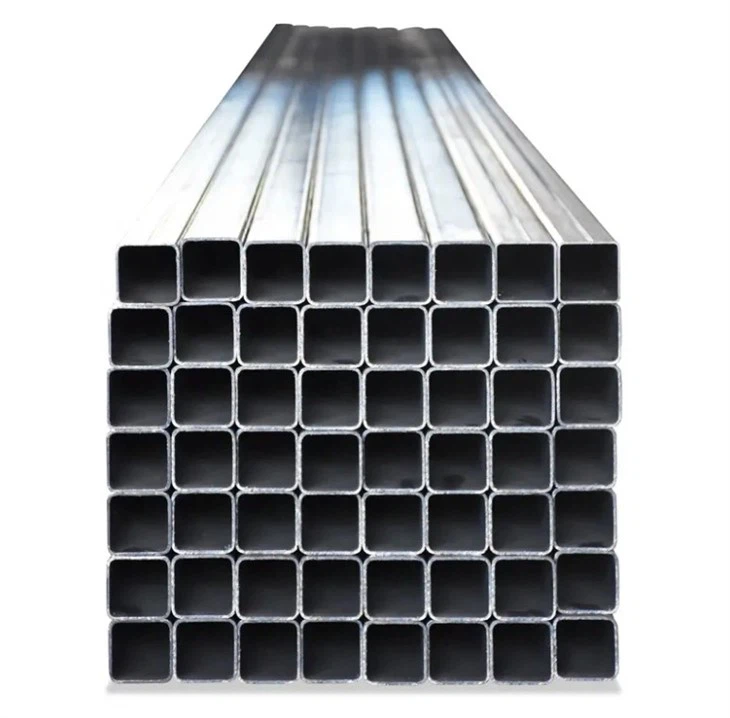
As shown above, Schedule 80 pipes have a thicker wall than Schedule 40 for the same NPS. This difference in wall thickness contributes to a higher pressure rating and greater mechanical strength.
3. Pressure Rating and Strength
Pressure Capacity
The thicker wall of Schedule 80 pipe enables it to withstand higher internal pressures than Schedule 40 pipe. The exact pressure capacity depends on:
Pipe material
Temperature
Diameter
Corrosion allowance
But as a general example:
A 2" Schedule 40 carbon steel pipe might handle 300-400 psi
A 2" Schedule 80 pipe might handle 500-600 psi or more
The thicker wall also provides better resistance to mechanical stresses, impact, and external pressure. This makes Schedule 80 more suitable for high-pressure applications, such as chemical processing plants, high-pressure steam lines, and industrial fluid transport.
4. Weight and Cost Differences
Because Schedule 80 pipes have more material due to their thicker walls, they are:
Heavier than Schedule 40 pipes
More expensive per foot
More difficult to work with (cutting, threading, welding)
For example:
A 2" Schedule 40 carbon steel pipe weighs approximately 3.66 lbs/ft
A 2" Schedule 80 carbon steel pipe weighs about 5.03 lbs/ft
These factors make Schedule 40 more economical and easier to install when high pressure isn't a concern.
5. Applications
Schedule 40 Applications
Schedule 40 carbon steel pipes are commonly used where moderate pressure and mechanical strength are sufficient. Typical uses include:
Water distribution systems
Fire sprinkler systems
Low-pressure steam lines
Agricultural irrigation
HVAC systems
These applications don't demand extremely high-pressure resistance, so the lighter and more cost-effective Schedule 40 is often preferred.
Schedule 80 Applications
Schedule 80 carbon steel pipes are used in environments with:
High pressure
High temperature
Corrosive substances
Heavy mechanical stress
Common industries and uses include:
Oil and gas transmission
Petrochemical and chemical plants
Power generation (steam lines)
Industrial equipment
Compressed air systems
The thicker walls of Schedule 80 provide additional safety margin, especially in regulated or hazardous environments.
6. Code and Regulatory Considerations
In some projects, the selection between Schedule 40 and Schedule 80 is dictated by:
ASME or ASTM code compliance
ANSI B36.10 for carbon steel pipe dimensions
Pressure vessel codes
Local building or mechanical codes
Choosing the right schedule ensures not only functionality but also compliance with safety and legal standards.
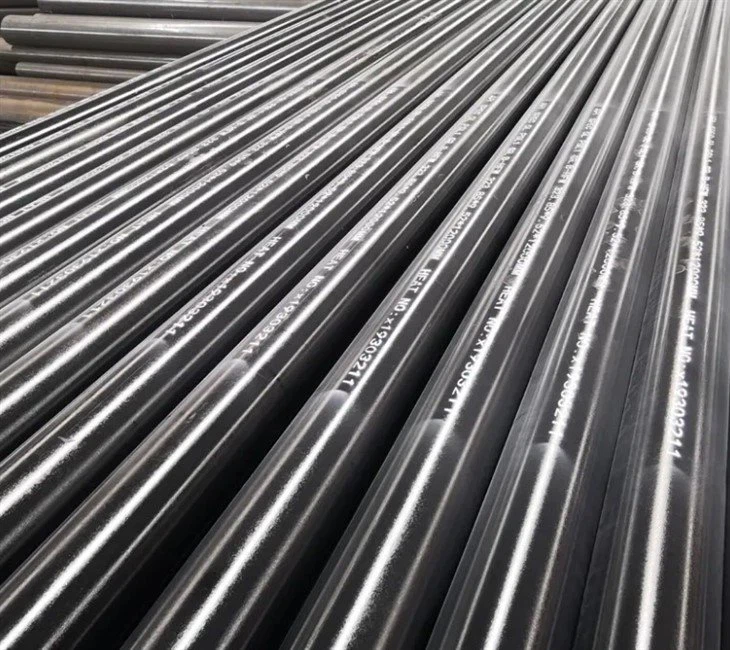
7. Visual and Practical Differences
Schedule 40
Thinner walls
Easier to cut, weld, and install
Lighter weight, so easier to handle on-site
Generally painted or coated for corrosion resistance
Schedule 80
Thicker walls, visibly more robust
Heavier and more durable
Takes more effort to cut or thread
Less flexible in design due to weight
8. Summary Comparison Table
| Feature | Schedule 40 | Schedule 80 |
|---|---|---|
| Wall Thickness | Thinner | Thicker |
| Pressure Rating | Lower | Higher |
| Weight | Lighter | Heavier |
| Cost | More economical | More expensive |
| Applications | Residential, light commercial | Industrial, high-pressure systems |
| Ease of Handling | Easier | Harder |
| Durability | Moderate | High |
| Compliance | May not meet some industrial codes | Often required by strict codes |