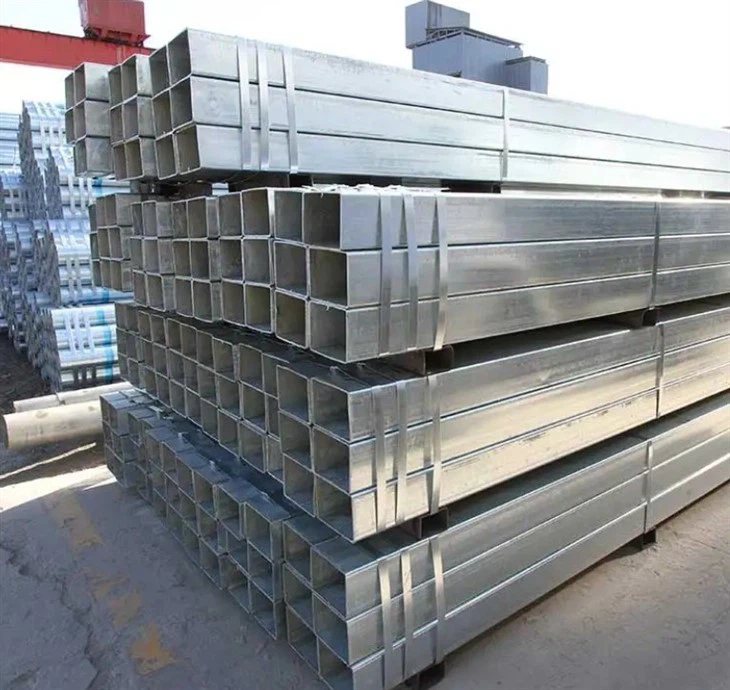
Difference Between GI Pipe and ERW Pipe
Pipes are essential components in various industries, from construction to plumbing, and choosing the right type of pipe for a particular application depends on its material, manufacturing process, and intended use. Two commonly used types of pipes are GI (Galvanized Iron) pipes and ERW (Electric Resistance Welded) pipes. Both have specific features that make them suitable for different purposes. Here's a comprehensive comparison between the two.
1. Definition
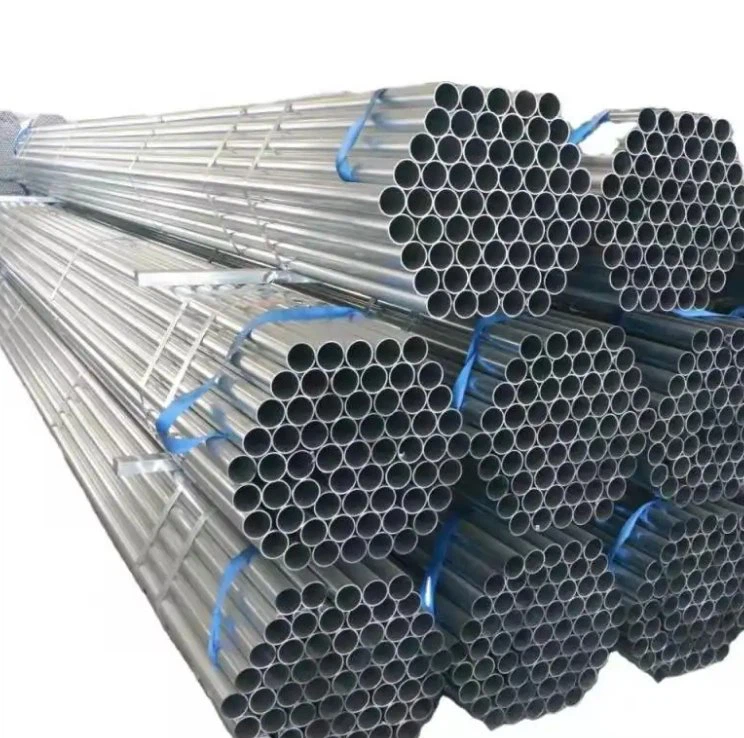
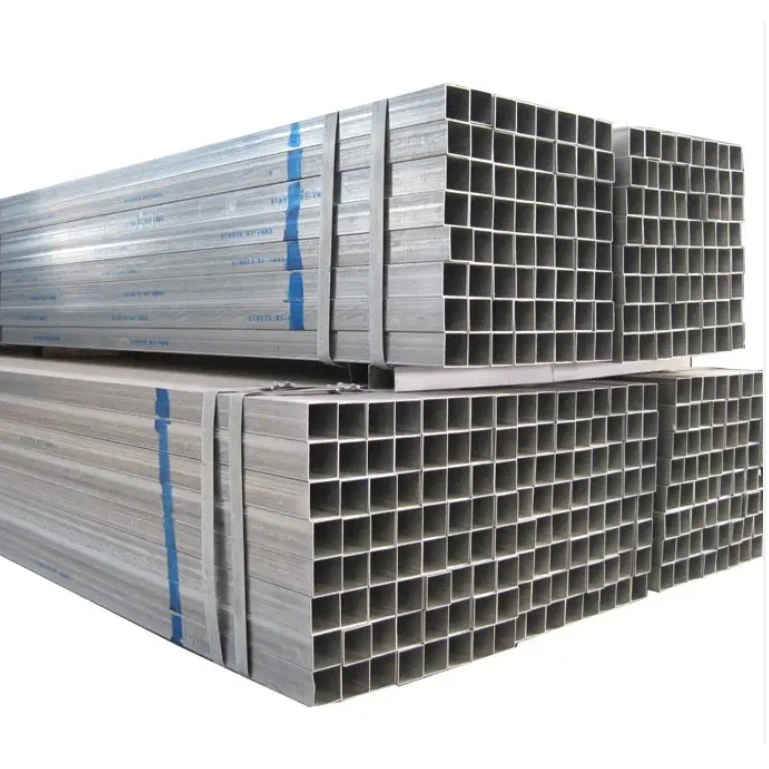
GI Pipe (Galvanized Iron Pipe): GI pipes are steel pipes coated with a layer of zinc to protect them from corrosion. This zinc coating is applied using the process of galvanization, where the steel pipe is dipped in molten zinc, forming a protective layer. Galvanized pipes are commonly used in plumbing for water supply systems because of their corrosion-resistant properties.
ERW Pipe (Electric Resistance Welded Pipe): ERW pipes are made by welding the edges of steel sheets or coils together using electric resistance welding techniques. The sheet is rolled and welded longitudinally to form a pipe. These pipes do not have any external zinc coating, though they can be galvanized later if needed. ERW pipes are typically used in structural applications and pipelines for transporting gases or liquids under pressure.
2. Manufacturing Process
GI Pipe: The primary characteristic of GI pipes is the galvanization process. First, a plain carbon steel pipe is manufactured, which is then dipped in a molten zinc bath to form a protective zinc coating. This layer is essential in resisting rust and corrosion. The process is called hot-dip galvanization.
ERW Pipe: ERW pipes are manufactured using an electric resistance welding process. A flat steel sheet or strip is rolled into the shape of a tube and then welded along its length using heat generated from electrical resistance. ERW pipes are primarily cold-formed, meaning they are not exposed to high temperatures during their formation, apart from the welding process. The pipe does not have any coating unless it undergoes a secondary galvanization process.
3. Material Composition
GI Pipe: GI pipes are made from mild steel or low-carbon steel, and they are subsequently galvanized to improve their resistance to rust and corrosion. The zinc layer enhances the durability of the pipe when exposed to environmental elements such as moisture or oxygen.
ERW Pipe: ERW pipes are typically made from either low-carbon steel or stainless steel. The material is chosen based on the pipe's intended use, which can range from water pipelines to scaffolding and fencing. ERW pipes can also be made from galvanized steel to combine the properties of both the ERW process and the protective zinc coating.
4. Corrosion Resistance
GI Pipe: The zinc coating on GI pipes makes them highly resistant to corrosion, particularly in environments where they are exposed to moisture or water. However, over time, the zinc layer may wear off, especially if the pipe is exposed to harsh environmental conditions, such as saltwater or industrial chemicals. Once the coating is compromised, the steel underneath may rust.
ERW Pipe: ERW pipes, without any added coating, have lower corrosion resistance compared to GI pipes, particularly in moisture-rich environments. However, if ERW pipes are made from stainless steel or are later galvanized, their corrosion resistance can be improved. For applications where moisture is minimal, ERW pipes without galvanization are widely used.
5. Strength and Durability
GI Pipe: GI pipes are strong and durable, but their strength depends on the thickness of both the steel and the zinc coating. The primary advantage of GI pipes is their corrosion resistance, but they may not be as strong as ERW pipes in applications where high pressure or mechanical stress is involved.
ERW Pipe: ERW pipes are known for their high strength and durability, especially in applications where high pressure or mechanical loads are present. The welding process creates a strong bond along the seam, making ERW pipes suitable for transporting fluids and gases under pressure. However, ERW pipes that are not galvanized may require additional protection in corrosive environments.
6. Cost
GI Pipe: GI pipes tend to be more expensive than plain ERW pipes because of the additional galvanization process. The zinc coating adds to the cost of production. However, in environments where corrosion is a concern, the added expense of GI pipes can be justified by their longer lifespan and reduced maintenance costs.
ERW Pipe: ERW pipes are generally more economical compared to GI pipes, especially when no secondary galvanization is applied. They offer a cost-effective solution for applications where corrosion is not a significant concern, or where additional protection can be added later.
7. Applications
GI Pipe: GI pipes are commonly used in plumbing systems, water distribution, and outdoor applications where exposure to the elements is a concern. They are also used for structural purposes, in fencing, and in certain industrial applications where corrosion resistance is necessary.
ERW Pipe: ERW pipes are widely used in the oil and gas industry, construction, infrastructure projects, and in mechanical applications where high pressure and durability are needed. They are also used in scaffolding, pipelines, and vehicle components.
8. Lifespan
GI Pipe: The lifespan of GI pipes is generally longer in environments where corrosion is a risk. Depending on the environmental conditions, GI pipes can last anywhere from 25 to 50 years, though the zinc coating may eventually degrade.
ERW Pipe: The lifespan of ERW pipes varies depending on the material and whether they have been galvanized. ERW pipes made from stainless steel or those that are galvanized can have a long lifespan, but plain ERW pipes may require maintenance or replacement in harsh environments.
Conclusion
In summary, both GI and ERW pipes have their advantages and limitations depending on the application. GI pipes offer superior corrosion resistance due to the zinc coating, making them ideal for plumbing and outdoor uses. ERW pipes, on the other hand, provide higher strength and are cost-effective for applications where corrosion resistance is not the primary concern. The choice between the two depends on factors like the environment, cost, and the specific needs of the project.