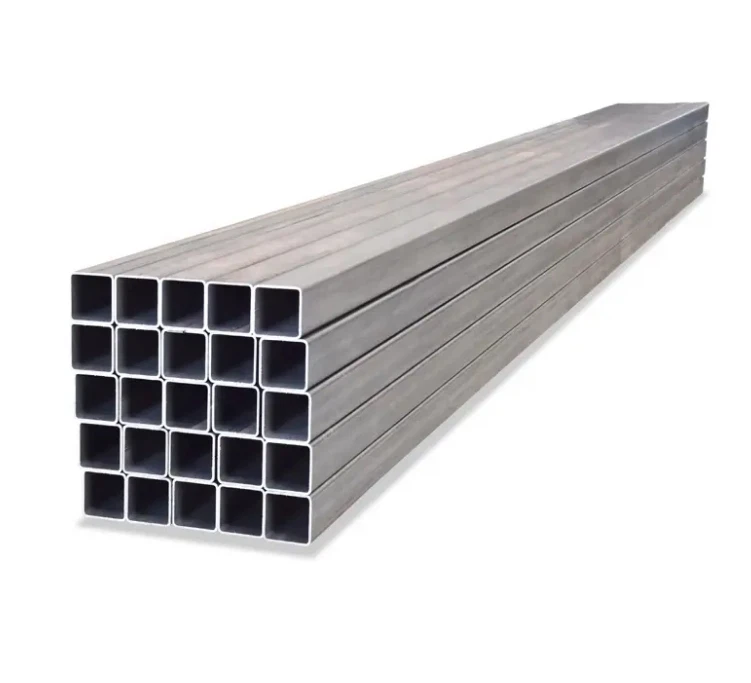
Understanding the Distinctions: Carbon Steel vs. Stainless Steel Pipe
In the realm of industrial materials, carbon steel and stainless steel are two prominent alloys that find extensive use in various applications, including pipe manufacturing. While both materials share some similarities, they exhibit distinct properties and characteristics that make them suitable for different purposes. Let's delve into the differences between carbon steel and stainless steel pipe, exploring their composition, properties, and applications.
Composition and Properties:
Carbon Steel:
Carbon steel, as the name suggests, primarily consists of iron and carbon, with trace amounts of other elements such as manganese, silicon, and sulfur. The carbon content in carbon steel typically ranges from 0.05% to 2.0%, influencing the material's mechanical properties and performance characteristics. Carbon steel exhibits high tensile strength, hardness, and toughness, making it suitable for applications requiring structural integrity and load-bearing capacity.
Stainless Steel:
Stainless steel, on the other hand, is a chromium-based alloy that contains iron, chromium, and varying amounts of other elements such as nickel, molybdenum, and nitrogen. The addition of chromium imparts stainless steel with its signature corrosion resistance, making it highly resistant to rust, tarnish, and staining. Stainless steel is available in various grades and compositions, each tailored to specific applications and environmental conditions.
Corrosion Resistance:
One of the primary distinctions between carbon steel and stainless steel pipe lies in their corrosion resistance properties:
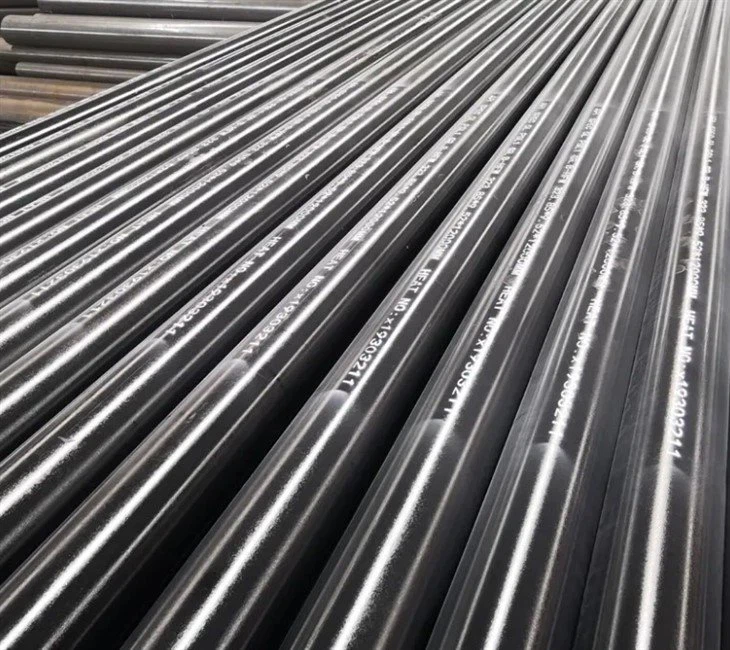
Carbon Steel: Carbon steel pipe is susceptible to corrosion when exposed to moisture, oxygen, and other corrosive elements, particularly in environments with high humidity or chemical exposure. Without proper protection, such as coatings or galvanization, carbon steel pipe may rust and deteriorate over time, compromising its structural integrity and performance.
Stainless Steel: Stainless steel pipe, on the other hand, boasts superior corrosion resistance due to the presence of chromium, which forms a passive oxide layer on the surface of the material. This oxide layer acts as a protective barrier, preventing corrosion and enhancing the longevity of the stainless steel pipe. Stainless steel is particularly well-suited for applications in harsh or corrosive environments, including marine, chemical, and food processing industries.
Strength and Durability:
While both carbon steel and stainless steel exhibit commendable strength and durability, their mechanical properties differ:
Carbon Steel: Carbon steel pipe is known for its high tensile strength and toughness, making it suitable for applications requiring structural support and load-bearing capacity. Carbon steel pipes are commonly used in construction, infrastructure, and industrial applications where strength and durability are paramount.
Stainless Steel: Stainless steel pipe offers comparable strength to carbon steel but with the added benefit of corrosion resistance. Stainless steel pipes are prized for their durability and longevity, making them ideal for applications where hygiene, cleanliness, and aesthetics are important, such as in the pharmaceutical, food and beverage, and sanitary industries.
Cost Considerations:
Another factor to consider when comparing carbon steel and stainless steel pipe is cost:
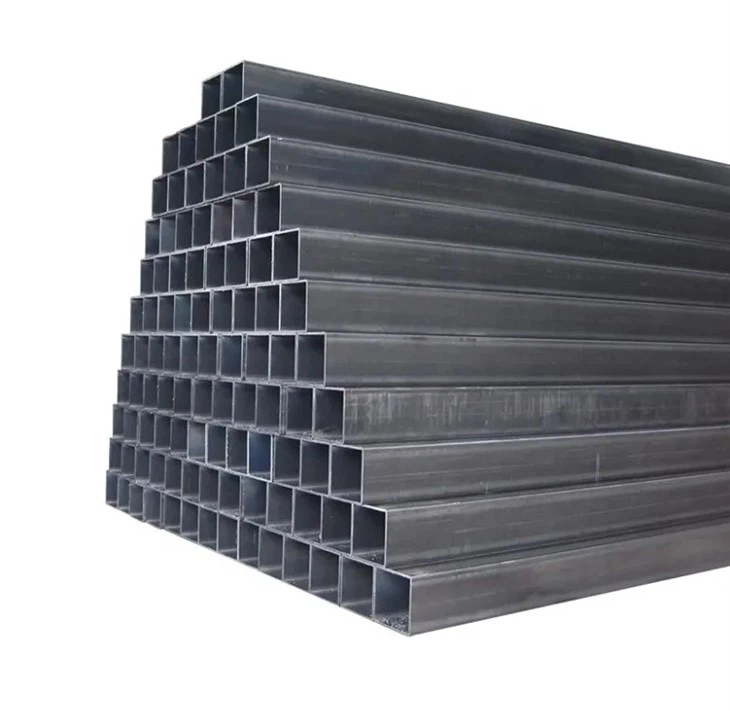
Carbon Steel: Carbon steel pipe is generally more cost-effective than stainless steel pipe, making it a preferred choice for budget-conscious projects and applications. The lower cost of carbon steel is attributed to its simpler composition and manufacturing process, resulting in lower production costs.
Stainless Steel: Stainless steel pipe tends to be more expensive than carbon steel due to its higher alloy content and specialized manufacturing techniques. While the initial cost of stainless steel may be higher, its superior corrosion resistance and longevity can result in long-term cost savings by reducing maintenance and replacement expenses.
Applications:
The choice between carbon steel and stainless steel pipe depends on the specific requirements of the application:
Carbon Steel Pipe Applications: Carbon steel pipe is widely used in construction, infrastructure, oil and gas, water distribution, and manufacturing industries where strength, durability, and cost-effectiveness are critical factors. It is commonly used for structural support, piping systems, and transportation of fluids and gases.
Stainless Steel Pipe Applications: Stainless steel pipe is favored for applications requiring corrosion resistance, hygiene, and aesthetics, such as in the pharmaceutical, food and beverage, chemical processing, and sanitary industries. It is used for conveying corrosive liquids, transporting food products, and fabricating equipment and components requiring high levels of cleanliness and purity.
Conclusion:
In summary, while carbon steel and stainless steel pipe share some similarities, they exhibit distinct properties and are suited to different applications. Carbon steel pipe offers high strength and durability at a lower cost but is susceptible to corrosion. Stainless steel pipe, on the other hand, provides superior corrosion resistance and is ideal for applications requiring hygiene and cleanliness but comes at a higher initial cost. By understanding the differences between carbon steel and stainless steel pipe, engineers, manufacturers, and project managers can make informed decisions when selecting materials for their specific needs.