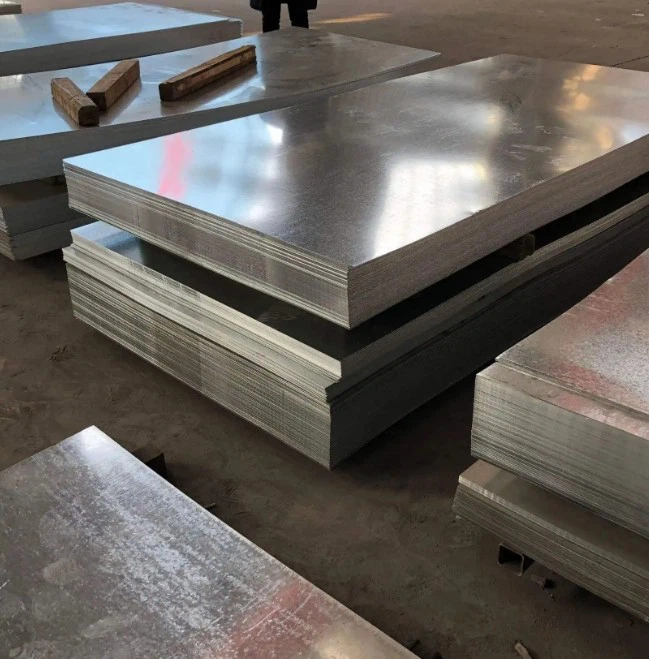
Galvanized steel is not defined by a single grade of steel; rather, it refers to a type of steel that has been coated with a layer of zinc to protect it from corrosion. The grade of the underlying steel can vary based on the application, manufacturing standards, and required mechanical properties. The process of galvanization involves coating steel with zinc through methods such as hot-dip galvanizing or electro-galvanizing. This zinc layer creates a protective barrier that prevents rusting by forming a protective oxide layer when exposed to the elements. Below, I'll break down the relationship between steel grades and galvanized steel.
Common Steel Grades Used for Galvanizing
Carbon Steel:
Galvanized steel is often made from mild carbon steel or low-alloy steel because of their wide availability, affordability, and ease of galvanization. Mild steel grades such as A36 and A283 are commonly used. These grades are popular in construction, manufacturing, and infrastructure due to their good strength and weldability.
High-Strength Low-Alloy (HSLA) Steel:
For applications that require higher strength and durability, HSLA steels are galvanized. Grades such as ASTM A572 or A992 are commonly used for structural applications. These steels have better mechanical properties than mild steels but are still suitable for galvanization.
Structural Steel:
In construction, structural steel grades such as ASTM A500 (used for hollow structural sections) and ASTM A53 (used for pipes) are often galvanized. These grades provide high load-bearing capacity and are frequently used in building frameworks, bridges, and pipelines.
Sheet Metal Steel:
Galvanized sheet metal often uses grades like ASTM A653, which is widely used in roofing, siding, and automotive panels. This grade specifies hot-dip galvanized steel sheets and offers different coating weights to suit varying corrosion resistance needs.
Cold-Rolled Steel:
For applications where precision and smooth finishes are essential, cold-rolled steels are galvanized. Grades such as ASTM A1008 are suitable for applications like appliance manufacturing, automotive parts, and metal furniture.
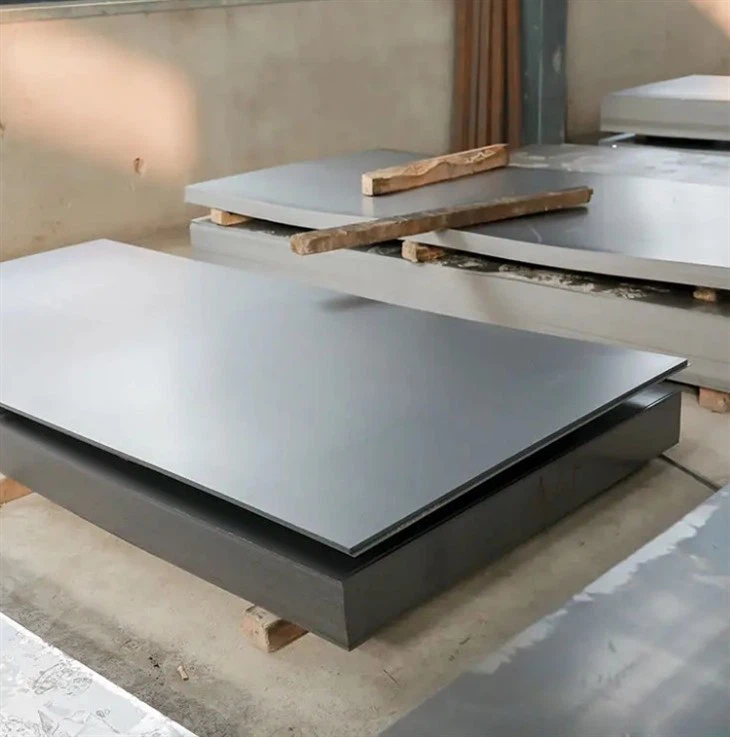
Galvanization Processes and Steel Compatibility
Hot-Dip Galvanizing (HDG):
This is the most common galvanization process where steel is submerged in molten zinc at approximately 450°C (840°F). This method creates a thick, durable zinc coating that protects against corrosion, making it ideal for outdoor applications and structural components.
Electro-Galvanizing:
This method involves applying zinc through an electrochemical process, resulting in a thinner and smoother coating compared to HDG. It is typically used for applications where aesthetics and a smooth finish are more important, such as in automotive and consumer products.
Standards and Specifications
Several standards govern galvanized steel and its grades, including:
ASTM A123: For hot-dip galvanized coatings on iron and steel products.
ASTM A153: For galvanized coatings on hardware.
ASTM A653: For galvanized sheet metal.
Properties of Galvanized Steel
Corrosion Resistance: The zinc coating acts as a sacrificial anode, protecting the steel even if the coating is scratched.
Durability: Depending on the coating thickness, galvanized steel can last for decades without significant corrosion.
Strength: The strength of galvanized steel depends on the base steel grade, maintaining the mechanical properties of the underlying steel.
Applications of Galvanized Steel
Galvanized steel is used in various industries due to its protective properties, including:
Construction: Beams, trusses, frames, and roofing.
Infrastructure: Guardrails, bridges, and utility poles.
Automotive: Car bodies and undercarriage components.
Agriculture: Fencing, grain bins, and water tanks.
Household: Appliances, HVAC ductwork, and furniture.
Conclusion
In summary, galvanized steel can be made from a range of steel grades, with the zinc coating providing superior corrosion resistance. The specific grade used depends on the application, mechanical requirements, and intended service environment.