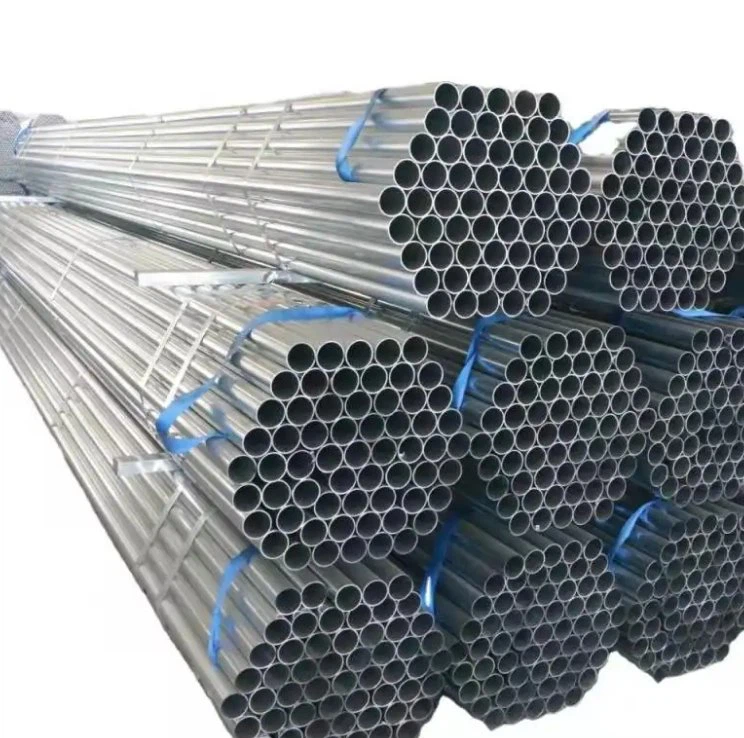
Is Galvanized Steel Waterproof?
Galvanized steel is a widely used material in construction, manufacturing, and various industries due to its durability, corrosion resistance, and strength. One of the most common questions about galvanized steel is whether it is waterproof. While galvanized steel offers excellent protection against moisture and rust, it is not entirely waterproof in the strictest sense. Below, we will explore what galvanized steel is, how it resists water damage, and its limitations in wet environments.
What is Galvanized Steel?
Galvanized steel is steel that has been coated with a layer of zinc to protect it from corrosion and rust. The galvanization process typically involves:
Hot-Dip Galvanizing – The steel is submerged in molten zinc, creating a thick and durable protective coating.
Electro-Galvanizing – Zinc is applied using an electric current, forming a thinner and smoother coating.
Galvannealing – A combination of galvanizing and annealing, which improves paint adhesion.
This zinc coating acts as a sacrificial layer, preventing the underlying steel from being exposed to moisture and corrosive elements.
Water Resistance of Galvanized Steel
1. Protection Against Rust and Corrosion
Galvanized steel is highly resistant to water and moisture, making it ideal for outdoor and marine environments. The zinc layer prevents oxygen and water from reaching the steel surface, slowing down the oxidation process that causes rust.
2. Performance in Different Water Environments
Freshwater Exposure
Galvanized steel performs well in freshwater environments, such as rain exposure, drinking water systems, and irrigation pipes.
Over time, continuous exposure to water can lead to the breakdown of the zinc layer, but this occurs slowly.
Saltwater and Marine Environments
While galvanized steel offers good corrosion resistance, it does not perform as well in saltwater environments.
Salt accelerates corrosion by breaking down the zinc coating, leading to rust formation.
For marine applications, stainless steel or specially coated galvanized steel may be preferable.
Underground and Submerged Use
Galvanized steel can be used underground, but exposure to moisture, soil conditions, and chemicals may affect its longevity.
Protective coatings or additional corrosion-resistant treatments can extend its lifespan.
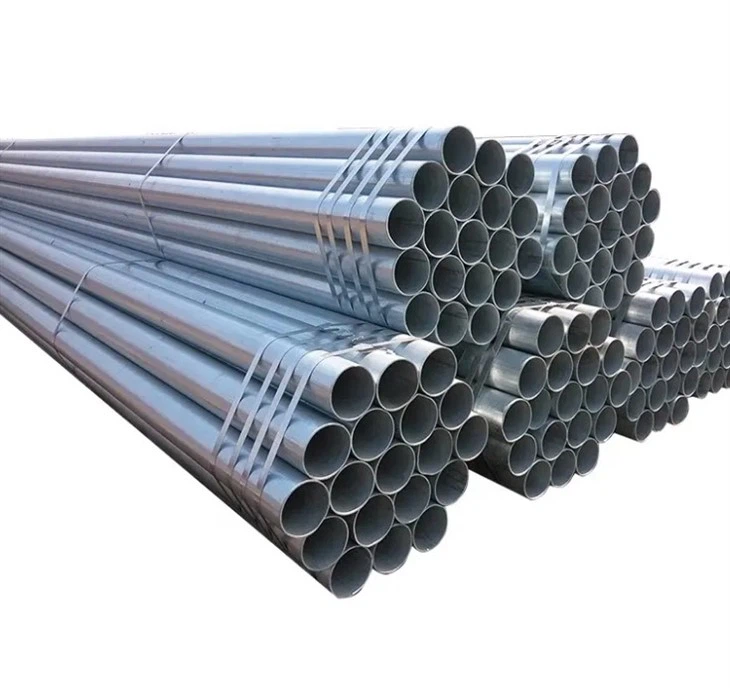
Limitations of Galvanized Steel in Wet Conditions
1. White Rust Formation
When newly galvanized steel is exposed to constant moisture without proper drying, it may develop "white rust."
White rust is a chalky, white corrosion product that forms when zinc reacts with water and air.
While white rust is less harmful than regular rust, it can reduce the protective capabilities of the zinc layer.
2. Long-Term Exposure to Water
Continuous exposure to water, especially in submerged or highly humid conditions, can eventually wear down the zinc coating.
If the protective layer is compromised, the underlying steel may start to corrode.
3. Mechanical Damage and Wear
If the galvanized layer is scratched or damaged, the exposed steel may rust in wet conditions.
Regular maintenance and touch-ups can help maintain the integrity of the coating.
How to Improve the Water Resistance of Galvanized Steel?
1. Additional Protective Coatings
Applying waterproof sealants, paints, or powder coatings can enhance water resistance.
Special polymer or epoxy coatings provide extra layers of protection.
2. Regular Maintenance and Inspections
Periodic inspections help identify signs of wear, rust, or damage to the galvanized coating.
Recoating or applying zinc-rich paint can extend the lifespan of galvanized steel in wet environments.
3. Proper Drainage and Ventilation
Avoid trapping moisture by ensuring proper drainage and airflow.
Standing water on galvanized steel surfaces can accelerate corrosion over time.
Conclusion: Is Galvanized Steel Waterproof?
Galvanized steel is highly water-resistant but not completely waterproof. Its zinc coating provides strong protection against rust and corrosion, making it suitable for outdoor, industrial, and marine applications. However, prolonged exposure to water, salt, and harsh conditions can gradually wear down the protective layer, leading to corrosion.
For applications requiring extended water exposure, additional coatings, maintenance, and protective measures are recommended. While galvanized steel is an excellent choice for moisture-prone environments, it is not entirely impervious to water in the long run.