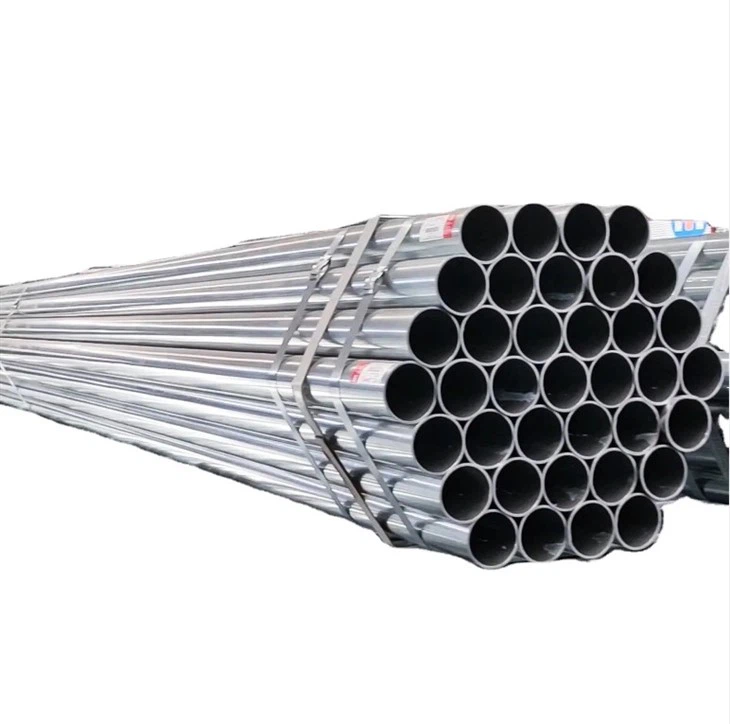
Difference Between Mild Steel Pipe and Carbon Steel Pipe
Steel is one of the most commonly used materials in the construction and manufacturing industries. Among the various types of steel, mild steel pipes and carbon steel pipes stand out due to their versatility and widespread applications. Although these terms are sometimes used interchangeably, they refer to distinct types of steel, each with its own composition, properties, and applications. Understanding the differences between mild steel and carbon steel pipes is crucial for selecting the right material for specific applications.
This article will delve into the composition, mechanical properties, applications, benefits, limitations, and cost differences between mild steel pipes and carbon steel pipes.
1. Chemical Composition
The primary distinction between mild steel and carbon steel lies in their chemical composition, especially in the amount of carbon they contain.
Mild Steel Pipes
Low Carbon Content: Mild steel, also referred to as low-carbon steel, typically contains 0.05% to 0.25% carbon. This low carbon content makes the material more ductile and less brittle compared to other types of steel.
Other Elements: Mild steel also includes small quantities of manganese, silicon, and sometimes trace amounts of sulfur and phosphorus. However, these additional elements are minimal and do not significantly alter the properties of the steel.
Softness and Malleability: The low carbon percentage results in a material that is soft, malleable, and easy to work with.
Carbon Steel Pipes
Higher Carbon Content: Carbon steel, as the name suggests, contains more carbon than mild steel. It can range between 0.25% and 2.0% carbon. Depending on the carbon content, carbon steel is classified into three types:
Low-carbon steel: Similar to mild steel but with slightly higher carbon content (0.25%-0.3%).
Medium-carbon steel: Contains 0.3%-0.6% carbon.
High-carbon steel: Contains 0.6%-2.0% carbon.
Other Alloying Elements: In addition to carbon, carbon steel may include varying amounts of manganese, silicon, and other alloying elements, which enhance its strength and hardness.
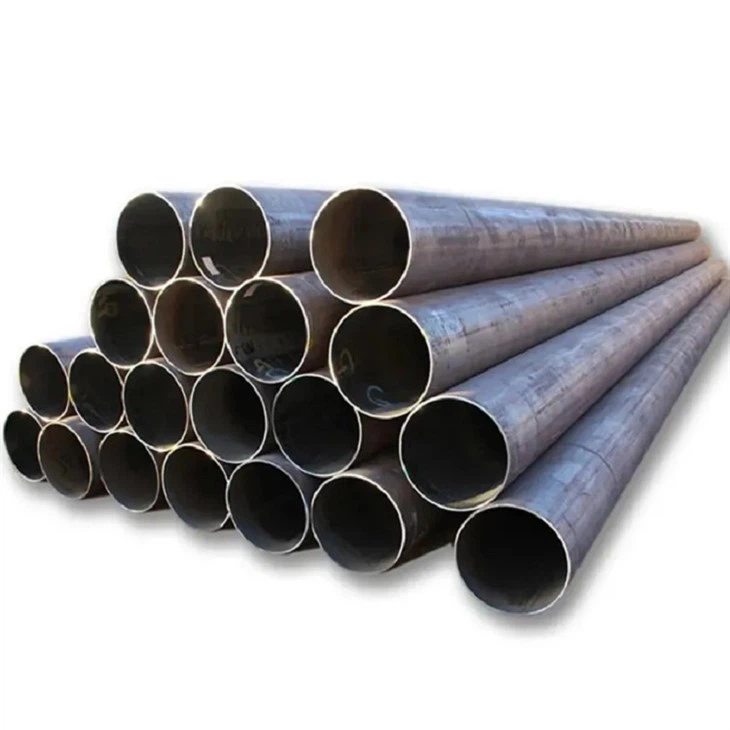
2. Mechanical Properties
The differences in carbon content have a direct impact on the mechanical properties of mild steel and carbon steel pipes.
Mild Steel Pipes
Ductility: Due to its low carbon content, mild steel is highly ductile, making it easy to bend and form without cracking.
Toughness: Mild steel is tougher and can withstand mechanical shocks and vibrations without fracturing.
Tensile Strength: Mild steel has a lower tensile strength compared to carbon steel. This means it is not suitable for applications that require extremely high strength or load-bearing capacity.
Weldability: Mild steel is highly weldable, which makes it a preferred choice for structural and fabrication applications.
Carbon Steel Pipes
Strength and Hardness: Carbon steel is significantly stronger and harder than mild steel, especially in the medium and high-carbon variants. These properties make it suitable for demanding industrial applications.
Brittleness: Higher carbon content increases brittleness, making carbon steel less ductile and more prone to cracking under stress.
Heat Resistance: Carbon steel can withstand higher temperatures than mild steel, making it ideal for heat-intensive applications such as boiler tubes and pressure vessels.
Machinability: Medium- and high-carbon steel pipes are harder to machine and work with due to their increased hardness.
3. Applications
Both mild steel and carbon steel pipes have a wide range of applications, but their usage depends on the required mechanical properties and the environment in which they will be used.
Mild Steel Pipes
Construction: Mild steel pipes are extensively used in construction for scaffolding, structural support, and water supply systems.
Automotive Industry: They are used in manufacturing automobile parts where flexibility and corrosion resistance are needed.
Plumbing: Due to their weldability and resistance to cracking, mild steel pipes are widely used for plumbing and fire sprinkler systems.
Fencing and Gates: Mild steel pipes are often used in the production of gates, fences, and frames due to their malleability.
Carbon Steel Pipes
Industrial Piping: Carbon steel pipes are used in industrial processes where high pressure, high temperature, or abrasive materials are involved, such as oil and gas pipelines, power plants, and chemical plants.
Boiler Tubes: Medium- and high-carbon steel pipes are commonly used in boilers and pressure vessels due to their heat resistance.
Mechanical Components: Carbon steel pipes are used to manufacture machine parts, gears, and tools where strength and wear resistance are crucial.
Shipbuilding: Carbon steel pipes are used in the construction of ships because of their strength and resistance to heavy loads.
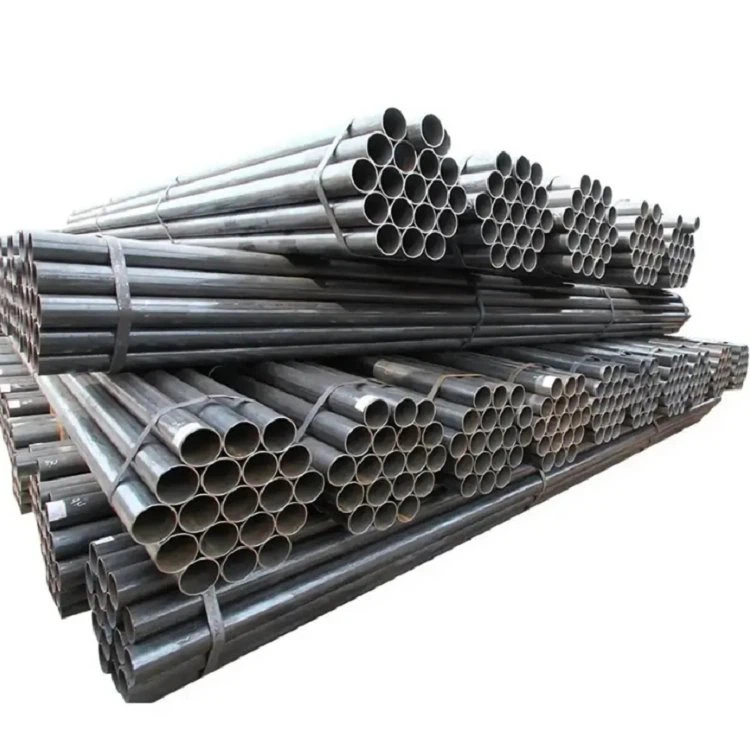
4. Corrosion Resistance
Neither mild steel nor carbon steel is inherently corrosion-resistant. However, their ability to resist corrosion can be enhanced through coatings and treatments.
Mild Steel: Mild steel is more prone to rusting in moist or wet environments due to its low carbon content and lack of protective alloys. Coating the surface with paint, galvanization (zinc coating), or powder coating can improve its corrosion resistance.
Carbon Steel: Carbon steel, especially in higher carbon grades, is also susceptible to corrosion. However, the use of alloying elements such as chromium (in certain carbon steel grades) can improve its rust resistance. Additionally, applying protective coatings like epoxy or galvanization helps reduce corrosion.
5. Cost and Availability
Cost is another significant factor when comparing mild steel and carbon steel pipes.
Mild Steel Pipes: These are generally less expensive than carbon steel pipes due to their lower carbon content and simpler manufacturing processes. Mild steel is widely available and is often the material of choice for projects with tight budgets.
Carbon Steel Pipes: The cost of carbon steel pipes varies based on the grade of carbon steel. Medium- and high-carbon steel pipes are more expensive than mild steel due to the higher carbon content and the need for specialized heat treatment processes. Additionally, carbon steel may require extra precautions during machining and fabrication, which can further increase the overall cost.
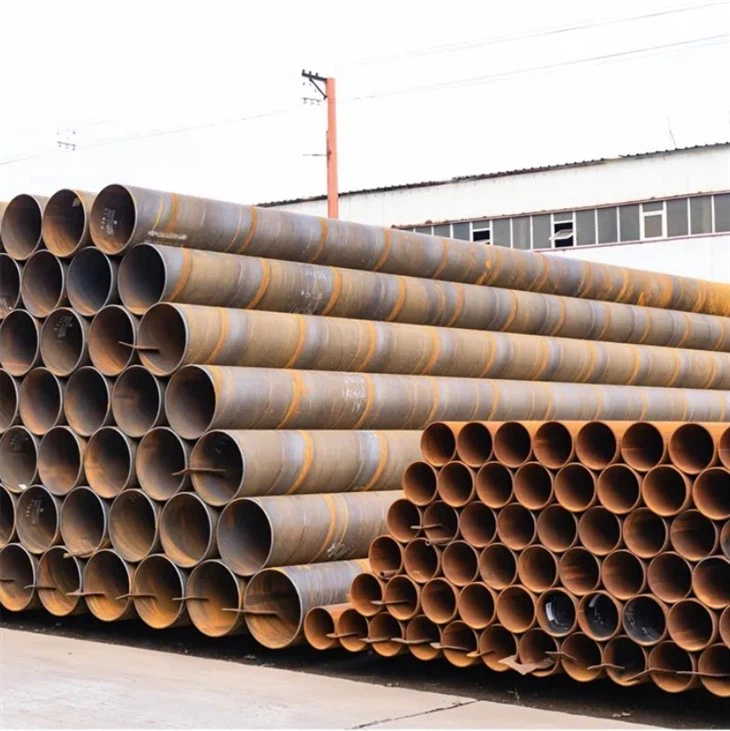
6. Advantages and Disadvantages
Mild Steel Pipes
Advantages:
Highly ductile and malleable.
Easy to weld and machine.
Cost-effective and readily available.
Suitable for applications requiring flexibility and moderate strength.
Disadvantages:
Lower strength and hardness compared to carbon steel.
Prone to corrosion without protective coatings.
Unsuitable for high-pressure or high-temperature applications.
Carbon Steel Pipes
Advantages:
Superior strength and hardness.
Heat-resistant and suitable for high-pressure environments.
Ideal for heavy-duty and industrial applications.
Disadvantages:
Less ductile and more brittle.
Higher cost compared to mild steel.
Requires protective treatments to resist corrosion.
7. Key Points of Comparison
| Feature | Mild Steel Pipes | Carbon Steel Pipes |
|---|---|---|
| Carbon Content | 0.05%-0.25% | 0.25%-2.0% |
| Ductility | High | Low |
| Strength | Moderate | High |
| Corrosion Resistance | Low (requires coating) | Low (requires coating) |
| Heat Resistance | Limited | Superior |
| Cost | Lower | Higher |
| Applications | Construction, plumbing, fencing | Industrial, pressure vessels, shipbuilding |
8. Conclusion
Mild steel pipes and carbon steel pipes differ significantly in terms of their composition, properties, and applications. Mild steel pipes are ideal for applications requiring ductility, weldability, and affordability, such as in construction and plumbing. On the other hand, carbon steel pipes are best suited for industrial uses where strength, hardness, and heat resistance are paramount.
When selecting between the two, it's important to consider the specific requirements of the project, including mechanical strength, environmental conditions, and budget. By understanding these differences, engineers and manufacturers can make informed decisions to ensure the safety, durability, and cost-effectiveness of their projects.