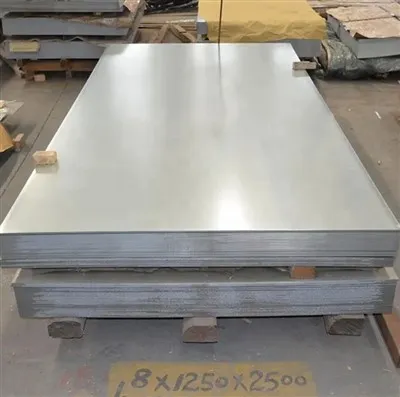
Hey there! As a steel plate supplier, I often get asked about the standards used to classify steel plate grades. It's a pretty important topic, especially if you're in the market for steel plates. So, let's dive right in and explore the various standards that play a crucial role in determining the quality and characteristics of steel plates.
Chemical Composition
One of the primary factors in classifying steel plate grades is the chemical composition. Different elements in the steel can significantly impact its properties. For instance, carbon is a key element. Higher carbon content generally means greater strength but lower ductility. Steels with a carbon content of up to 0.3% are often considered low - carbon steels. These are relatively soft and easy to form, making them suitable for applications like automotive body parts.
On the other hand, medium - carbon steels have a carbon content ranging from 0.3% to 0.6%. They offer a good balance between strength and ductility, and are commonly used in machinery parts. High - carbon steels, with a carbon content above 0.6%, are extremely strong and hard, but they can be brittle. They're often used in cutting tools and springs.
Alloying elements also play a vital role. Manganese, for example, can improve the hardenability and strength of steel. Chromium enhances corrosion resistance, which is why it's commonly found in stainless steels. Nickel is another important alloying element that can increase toughness and ductility, especially at low temperatures.
Mechanical Properties
Mechanical properties are another major criterion for classifying steel plate grades. Tensile strength is a measure of the maximum stress a steel plate can withstand before it breaks. Yield strength, on the other hand, is the stress at which the steel begins to deform plastically. These properties are crucial as they determine the plate's ability to handle loads in various applications.
Elongation is also an important mechanical property. It measures the amount of stretching a steel plate can undergo before it breaks. A higher elongation percentage indicates better ductility. Impact toughness is another key factor, especially for applications where the steel may be subjected to sudden shocks or impacts. For example, steel plates used in bridges need to have good impact toughness to withstand dynamic loads.
Industry Standards
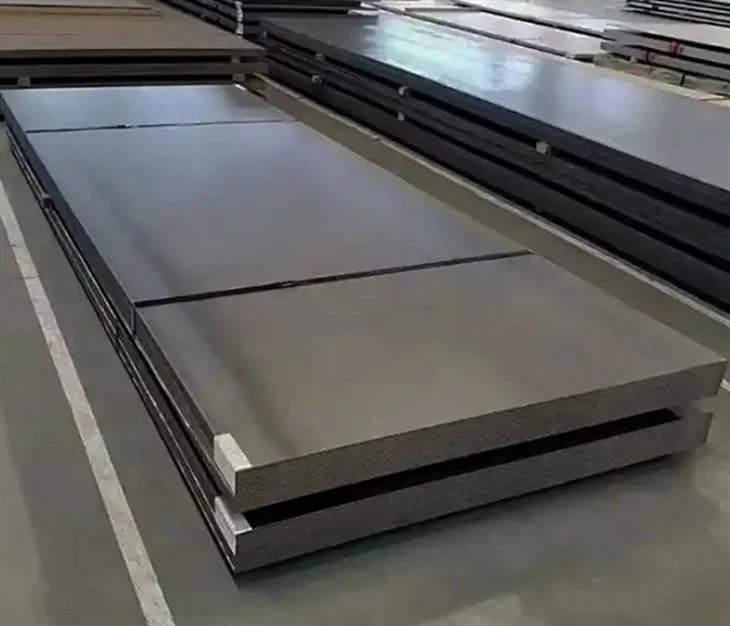
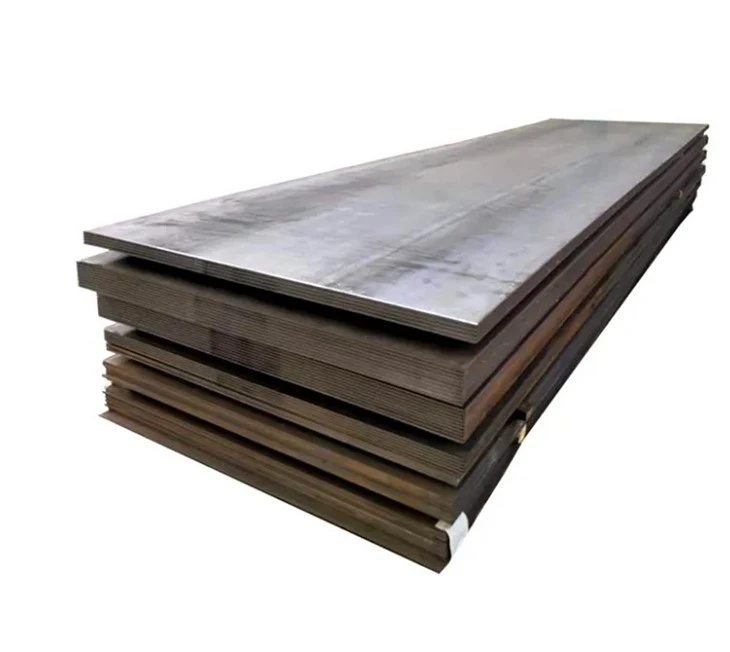
There are several well - known industry standards used to classify steel plate grades. One of the most widely recognized is the ASTM (American Society for Testing and Materials) standard. The Astm Carbon Steel Plate falls under this standard. ASTM standards cover a wide range of steel types, from carbon steels to alloy steels, and they provide detailed specifications for chemical composition, mechanical properties, and testing methods.
In Japan, the JIS (Japanese Industrial Standards) is commonly used. The Ss400 Plate is a popular JIS - standard steel plate. It's a general - purpose structural steel plate with good weldability and formability.
In Europe, the EN (European Norms) standards are prevalent. These standards ensure that steel plates meet certain quality and performance requirements across the European Union.
Specific Grades and Their Applications
Let's take a look at some specific steel plate grades and their applications. The Astm A572 Gr 50 Plate is a high - strength, low - alloy steel plate. It has excellent strength - to - weight ratio, which makes it ideal for structural applications such as building frames, bridges, and transmission towers.
Low - carbon steel plates are often used in the automotive industry for body panels because of their formability. Stainless steel plates, with their high corrosion resistance, are commonly used in the food processing and chemical industries, where hygiene and resistance to chemical attack are crucial.
Quality Control and Testing
To ensure that steel plates meet the specified grades, rigorous quality control and testing procedures are in place. Chemical analysis is used to verify the chemical composition of the steel. This can be done through methods like spectroscopy. Mechanical testing, such as tensile testing, hardness testing, and impact testing, is also carried out to confirm the mechanical properties.
Non - destructive testing methods, such as ultrasonic testing and magnetic particle testing, are used to detect internal and surface defects in the steel plates. These tests help to ensure that the plates are free from flaws that could compromise their performance.
Why Choose Our Steel Plates
As a steel plate supplier, we take pride in offering high - quality steel plates that meet the strictest industry standards. We source our steel from reliable manufacturers and conduct our own in - house testing to ensure that every plate we supply meets or exceeds the specified grades.
We have a wide range of steel plate grades available, from carbon steels to alloy steels and stainless steels. Whether you need a plate for a small DIY project or a large - scale industrial application, we've got you covered.
Contact Us for Your Steel Plate Needs
If you're in the market for steel plates, don't hesitate to get in touch with us. We can provide you with detailed information about our products, including their grades, specifications, and pricing. We're here to help you find the right steel plate for your specific needs. Whether you're a contractor, a manufacturer, or a DIY enthusiast, we're committed to providing you with the best products and services. So, reach out to us today and let's start a conversation about your steel plate requirements.
References
- ASTM International standards
- JIS (Japanese Industrial Standards)
- European Norms (EN) related to steel products
- Steel industry textbooks and research papers on steel properties and classification