Hey there! As a supplier of right angle bars, I often get asked about the materials these bars are made of. It's a pretty important question, 'cause the material can really affect the bar's performance, durability, and cost. So, let's dive into the different materials used to make right angle bars.
Mild Steel
Mild steel is one of the most common materials for right angle bars. It's got a low carbon content, which makes it easy to work with. You can cut, weld, and shape it without too much hassle. Mild steel right angle bars are strong enough for a wide range of applications, like building frames, supports in construction projects, and even in some DIY projects at home.
The great thing about mild steel is its affordability. It's not as expensive as some other materials, which makes it a popular choice for large - scale projects where cost is a major factor. However, mild steel is prone to rust if it's not properly protected. That's why many mild steel right angle bars are painted or coated to prevent corrosion. If you're looking for a cost - effective and versatile option, mild steel could be your go - to.
Galvanized Steel
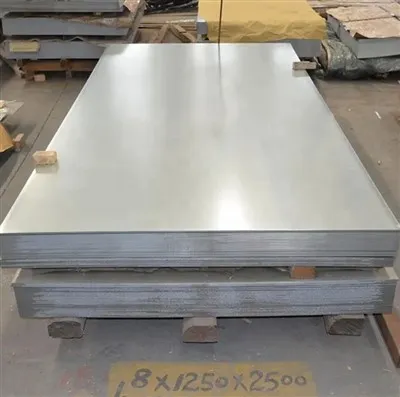
Now, let's talk about Galvanized Steel Angle Bar. Galvanized steel is basically mild steel that has been coated with a layer of zinc. This zinc coating provides excellent protection against rust and corrosion. It's like a shield that keeps the steel safe from the elements.
Galvanized steel angle bars are perfect for outdoor applications. Whether it's for a fence, a pergola, or a bridge, these bars can withstand rain, snow, and sunlight without getting damaged easily. The galvanization process also gives the bars a nice, shiny finish. And the best part is, the maintenance is pretty low. You don't have to keep repainting or treating the bars as often as you would with regular mild steel.
Stainless Steel
Stainless steel is another top - notch material for right angle bars. It contains chromium, which forms a thin, invisible layer on the surface of the steel. This layer protects the steel from corrosion and gives it a sleek, modern look. Stainless steel angle bars are highly resistant to stains, rust, and oxidation, even in harsh environments.
They're commonly used in industries where hygiene is crucial, like food processing and medical equipment manufacturing. You'll also find them in high - end architectural projects because of their aesthetic appeal. However, stainless steel is more expensive than mild steel and galvanized steel. But if you need a bar that's going to last a long time and look good while doing it, stainless steel is worth the investment.
Aluminum
Aluminum right angle bars are lightweight and corrosion - resistant. They're a great choice for applications where weight is a concern, like in the aerospace and automotive industries. Aluminum is also easy to machine and has good thermal conductivity.
These bars are non - magnetic, which can be an advantage in some electrical and electronic applications. And since aluminum doesn't rust like steel, it's suitable for use in marine environments. The only downside is that aluminum is not as strong as steel. So, for heavy - duty applications that require a lot of strength, you might want to go with a steel option instead.
Alloy Steel
Alloy Angle Bar is made by adding other elements to steel, such as manganese, nickel, or chromium. These additional elements enhance the properties of the steel, making it stronger, more durable, and more resistant to wear and tear.
Alloy steel angle bars are used in high - stress applications, like in the construction of heavy machinery and industrial equipment. They can handle a lot of pressure and load without deforming. However, the production process of alloy steel is more complex, and it's usually more expensive than regular mild steel. But when you need that extra strength and performance, alloy steel is the way to go.
Cast Iron
Cast iron is a material that's been around for a long time. It's very strong and has excellent compressive strength. Cast iron right angle bars are often used in applications where they need to support heavy loads, like in the foundation of large buildings or in machinery bases.
However, cast iron is brittle compared to steel. It can crack or break under sudden impact or tension. And it's also prone to rust if not properly protected. So, while it's strong in terms of compression, you need to be careful when using it in applications where there might be a risk of shock or bending.
Brass
Brass is an alloy of copper and zinc. It has a beautiful golden color and is highly corrosion - resistant. Brass right angle bars are often used in decorative applications, like in furniture, architectural details, and musical instruments.
Brass is also easy to machine and has good electrical conductivity. It's a popular choice for electrical and plumbing applications. But brass is more expensive than some other materials, and it can be a bit softer than steel or alloy steel. So, it might not be suitable for heavy - duty structural applications.


Equal Angle Bars
Equal Angle Bar can be made from all the materials we've discussed so far. Equal angle bars have two legs of the same length, which makes them very versatile. They can be used in a variety of ways, like for bracing, framing, and corner reinforcement.
The choice of material for an equal angle bar depends on the specific requirements of the project. If it's an outdoor project, you might want to go with galvanized steel or stainless steel. For a lightweight application, aluminum could be a good option. And for heavy - duty use, alloy steel or cast iron might be more appropriate.
In conclusion, there are many materials available for right angle bars, each with its own unique properties and advantages. When choosing the right material for your project, you need to consider factors like strength, durability, corrosion resistance, cost, and aesthetic appeal.
If you're in the market for right angle bars and need some advice on which material is best for your project, don't hesitate to reach out. We're here to help you make the right choice and provide you with high - quality products. Whether you need a small quantity for a DIY project or a large order for an industrial application, we've got you covered. Let's have a chat and see how we can work together!
References
- "Metals Handbook: Properties and Selection: Irons, Steels, and High - Performance Alloys"
- "Materials Science and Engineering: An Introduction"
- Industry reports on metal manufacturing and usage.