Hey there! I'm a supplier of square tubes, and today I wanna chat about the materials commonly used to make these handy things. Square tubes are all around us, from construction sites to furniture manufacturing. They're super versatile, and the material they're made from plays a huge role in their performance and suitability for different applications.
Mild Steel
Let's start with mild steel. It's one of the most popular materials for making square tubes. Mild steel is affordable, easy to work with, and has good strength. It contains a relatively low amount of carbon, which makes it ductile and malleable. This means you can bend, cut, and weld mild steel square tubes without too much hassle.
In construction, mild steel square tubes are used for structural frameworks, like in building frames and support columns. They're also commonly used in the manufacturing of fences, gates, and handrails. The reason for this is that mild steel can handle a fair amount of weight and stress without breaking.
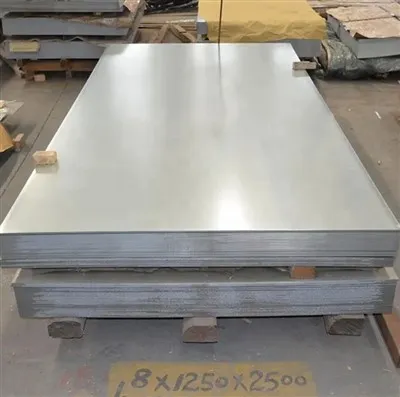
But mild steel does have its drawbacks. It's prone to rusting, especially if it's exposed to moisture. That's why many mild steel square tubes are coated or painted to protect them from corrosion. For example, you can get Galvanized Steel Rectangular tubes, which have a zinc coating that acts as a barrier against rust.
Stainless Steel
Next up is stainless steel. This stuff is a real game-changer when it comes to square tubes. Stainless steel is known for its excellent corrosion resistance. It contains chromium, which forms a thin, invisible layer on the surface of the metal that protects it from rust and staining.
Stainless steel square tubes are commonly used in applications where hygiene and durability are important. In the food and beverage industry, you'll often see stainless steel square tubes used for equipment frames and conveyor systems. They're also popular in architectural applications, like in the construction of modern buildings and bridges. The sleek, shiny appearance of stainless steel adds a touch of elegance to any project.
However, stainless steel is more expensive than mild steel. The cost of production is higher due to the alloying elements and the manufacturing process. But if you're looking for a long-lasting, low-maintenance option, stainless steel is definitely worth the investment. You can check out Alloy Box Section for some high-quality stainless steel square tubes.
Aluminum
Aluminum is another great material for making square tubes. It's lightweight, yet strong. Aluminum has a high strength-to-weight ratio, which means it can support a lot of weight without being too heavy. This makes it ideal for applications where weight is a concern, like in the aerospace and automotive industries.
Aluminum square tubes are also corrosion-resistant. They form a natural oxide layer on the surface that protects them from rust. This makes them suitable for outdoor applications, such as in the construction of outdoor furniture and signage.
One of the advantages of aluminum is its ease of fabrication. It can be easily cut, bent, and welded, which makes it a popular choice for custom projects. However, aluminum is not as strong as steel, so it may not be suitable for applications that require high strength.
Copper
Copper square tubes are less common than steel or aluminum, but they have their own unique properties. Copper is a good conductor of heat and electricity, which makes it useful in electrical and heating applications. It's also resistant to corrosion, especially in water.
In plumbing, copper square tubes are used for water supply lines and drainage systems. They're also used in the manufacturing of heat exchangers and electrical wiring. Copper has a distinctive reddish-brown color, which gives it an aesthetic appeal. It can be polished to a high shine, making it suitable for decorative applications.
However, copper is more expensive than many other materials. The cost of copper can fluctuate depending on market conditions, which can make it a bit unpredictable. But if you're looking for a material with excellent conductivity and corrosion resistance, copper is a great choice.
Composite Materials
Composite materials are becoming more popular in the manufacturing of square tubes. These materials are made by combining two or more different materials to create a new material with unique properties. For example, fiberglass-reinforced plastic (FRP) is a composite material that consists of glass fibers embedded in a plastic matrix.
FRP square tubes are lightweight, strong, and corrosion-resistant. They're also non-conductive, which makes them suitable for electrical applications. In the construction industry, FRP square tubes are used for bridge decks, railing systems, and building facades. They offer a high level of durability and require minimal maintenance.
Another type of composite material is carbon fiber-reinforced plastic (CFRP). CFRP square tubes are extremely strong and lightweight. They're used in high-performance applications, such as in the aerospace and automotive industries. However, CFRP is very expensive and requires specialized manufacturing processes.
Conclusion
So, there you have it! These are some of the most commonly used materials for making square tubes. Each material has its own advantages and disadvantages, and the choice of material depends on the specific application and requirements.
If you're in the market for square tubes, whether it's 100Mm Box Section, alloy box sections, or galvanized steel rectangular tubes, I'm here to help. As a square tube supplier, I can offer you high-quality products at competitive prices. Whether you need a small quantity for a DIY project or a large order for a commercial construction project, I've got you covered.


If you have any questions or want to discuss your requirements, feel free to reach out. I'm always happy to have a chat and help you find the right square tubes for your needs. Let's work together to make your project a success!
References
- ASM Handbook Committee. (2004). ASM Handbook Volume 1: Properties and Selection: Irons, Steels, and High-Performance Alloys. ASM International.
- Metals Handbook Committee. (1990). Metals Handbook Desk Edition. ASM International.
- Schaffer, J. P. (2001). Aluminum: Technology, Applications, and Environment. ASM International.