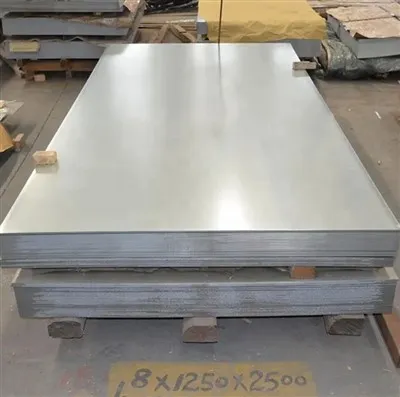
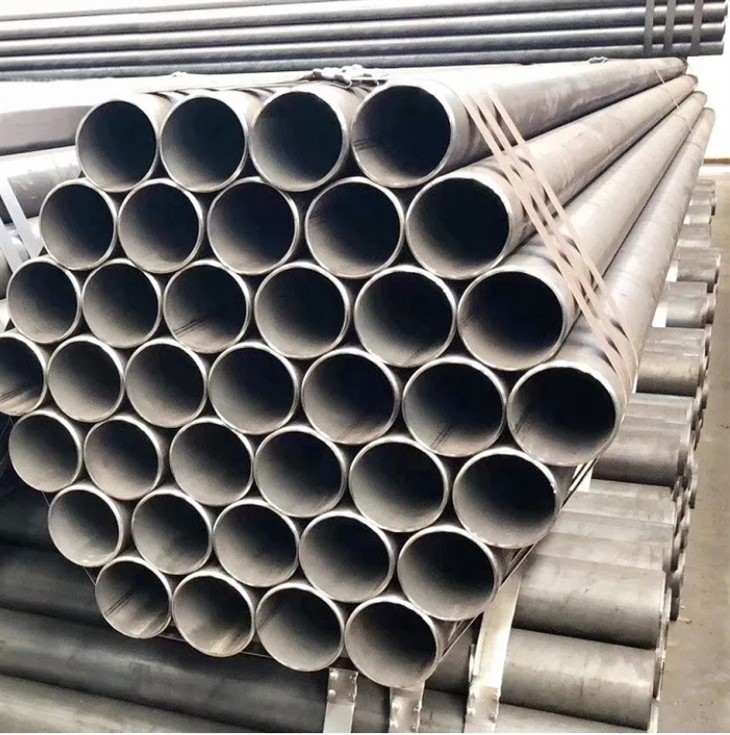
Carbon steel pipes are widely used in various industries due to their strength, durability, and cost - effectiveness. As a carbon steel pipe supplier, I understand the importance of proper maintenance to ensure the longevity and optimal performance of these pipes. In this blog, I will discuss the essential maintenance work required for carbon steel pipes.
1. Inspection
Regular inspection is the cornerstone of carbon steel pipe maintenance. It helps in identifying potential issues before they escalate into major problems.
Visual Inspection
Visual inspection should be carried out frequently. This involves looking for signs of corrosion, such as rust spots, flaking paint, or discoloration on the surface of the pipes. Cracks, dents, and deformations are also important indicators of damage. For example, a small crack can gradually grow under pressure, leading to leaks or even pipe failure.
In industrial settings, where pipes are often hidden behind insulation or in hard - to - reach areas, visual inspection may require the removal of insulation or the use of specialized equipment like endoscopes. These tools can help in getting a clear view of the pipe's interior and exterior surfaces.
Non - Destructive Testing (NDT)
Non - destructive testing methods are used to detect internal flaws in carbon steel pipes without causing damage to the pipes themselves. Some common NDT techniques include:
- Ultrasonic Testing (UT): This method uses high - frequency sound waves to detect flaws such as internal cracks, voids, or inclusions. The sound waves are transmitted into the pipe, and any reflections caused by flaws are detected and analyzed. UT is particularly effective for detecting flaws deep within the pipe wall.
- Magnetic Particle Testing (MT): Suitable for ferromagnetic carbon steel pipes, MT is used to detect surface and near - surface flaws. A magnetic field is applied to the pipe, and iron particles are sprinkled on the surface. If there is a flaw, the magnetic field is distorted, and the iron particles will accumulate at the flaw location, making it visible.
- Radiographic Testing (RT): RT uses X - rays or gamma rays to create an image of the internal structure of the pipe. This method can detect flaws such as cracks, porosity, and lack of fusion. However, it requires special safety precautions due to the use of radiation.
2. Cleaning
Cleaning carbon steel pipes is crucial to prevent the buildup of contaminants that can lead to corrosion and reduced flow efficiency.
External Cleaning
External cleaning involves removing dirt, dust, and other debris from the pipe surface. This can be done using a variety of methods, depending on the level of contamination. For light dirt, a simple wash with water and a mild detergent may be sufficient. For more stubborn contaminants, such as oil or grease, solvents or degreasers may be required.
In outdoor environments, pipes may be exposed to environmental pollutants, such as acid rain or industrial emissions. Regular cleaning can help remove these corrosive substances and protect the pipe's surface.

Internal Cleaning
Internal cleaning is necessary to remove scale, sediment, and other deposits that can accumulate inside the pipes over time. These deposits can reduce the flow capacity of the pipes and increase the risk of corrosion.
One common method of internal cleaning is pigging. A pig, which is a device inserted into the pipe, is pushed through the pipe by the fluid flow. The pig can scrape off deposits from the pipe wall, effectively cleaning the interior of the pipe. Chemical cleaning is another option, where a cleaning solution is circulated through the pipe to dissolve and remove deposits.
3. Corrosion Prevention
Corrosion is one of the most significant threats to carbon steel pipes. Therefore, implementing effective corrosion prevention measures is essential.
Coating
Applying a protective coating to the pipe surface is a common method of corrosion prevention. There are several types of coatings available, including:
- Epoxy Coatings: Epoxy coatings provide excellent corrosion resistance and adhesion. They can be applied to both the internal and external surfaces of the pipes. Epoxy coatings are often used in applications where the pipes are exposed to harsh chemicals or corrosive environments.
- Fusion - Bonded Epoxy (FBE) Coatings: FBE coatings are a type of epoxy coating that is applied in a powder form and then fused to the pipe surface using heat. This creates a durable, seamless coating that provides long - term corrosion protection.
- Zinc Coatings: Zinc coatings, such as galvanizing, are used to protect carbon steel pipes from corrosion. Zinc acts as a sacrificial anode, corroding in place of the steel. Galvanized pipes are commonly used in water supply systems and outdoor applications.
Cathodic Protection
Cathodic protection is a technique used to prevent corrosion by making the carbon steel pipe the cathode of an electrochemical cell. There are two main types of cathodic protection:
- Sacrificial Anode Cathodic Protection: In this method, a more active metal, such as magnesium or zinc, is connected to the carbon steel pipe. The sacrificial anode corrodes preferentially, protecting the pipe from corrosion. Sacrificial anode cathodic protection is relatively simple and cost - effective, making it suitable for small - scale applications.
- Impressed Current Cathodic Protection: This method uses an external power source to supply a direct current to the carbon steel pipe. The current flows from an anode, which is usually made of a non - consumable material, to the pipe, preventing corrosion. Impressed current cathodic protection is more suitable for large - scale applications and in environments with high corrosion rates.
4. Pressure Testing
Pressure testing is an important part of carbon steel pipe maintenance to ensure the integrity of the pipes under operating pressure.
Hydrostatic Testing
Hydrostatic testing involves filling the pipe with water and pressurizing it to a specified level for a certain period. The pressure is maintained, and the pipe is inspected for leaks. Hydrostatic testing is a reliable method for detecting leaks and ensuring the structural integrity of the pipe.
The test pressure is usually higher than the normal operating pressure to simulate extreme conditions. After the test, the pipe is depressurized, and the water is drained.
Pneumatic Testing
Pneumatic testing uses air or another gas instead of water to test the pipe's pressure integrity. This method is often used when water is not suitable, such as in pipes that are sensitive to water damage. However, pneumatic testing is more dangerous than hydrostatic testing because of the potential for a sudden release of energy in case of a failure. Therefore, strict safety precautions must be taken during pneumatic testing.
5. Joint Maintenance
The joints in carbon steel pipes are critical areas that require special attention. Loose or damaged joints can lead to leaks and reduced system performance.
Welded Joints
Welded joints are commonly used in carbon steel pipe installations. Regular inspection of welded joints is necessary to detect any signs of cracking, porosity, or lack of fusion. Non - destructive testing methods, such as ultrasonic or radiographic testing, can be used to ensure the quality of welded joints.
If a defect is detected in a welded joint, it may need to be repaired by re - welding. However, re - welding should be carried out by a qualified welder following proper welding procedures to ensure the integrity of the joint.
Flanged Joints
Flanged joints are used to connect pipes and other components in a piping system. These joints rely on gaskets to provide a seal. Regular inspection of flanged joints includes checking the tightness of the bolts and the condition of the gaskets.
If the bolts are loose, they should be tightened to the specified torque. If the gasket is damaged or worn, it should be replaced to prevent leaks.
Conclusion
Proper maintenance of carbon steel pipes is essential to ensure their long - term performance and reliability. By conducting regular inspections, cleaning, corrosion prevention, pressure testing, and joint maintenance, the lifespan of carbon steel pipes can be significantly extended.
As a carbon steel pipe supplier, we offer a wide range of high - quality carbon steel pipes, including Astm A500 Tube, Erw Black Steel Pipe, and Erw Line Pipe. If you are in need of carbon steel pipes or have any questions about pipe maintenance, please feel free to contact us for further discussion and potential procurement opportunities.
References
- ASME B31.3 Process Piping Code
- NACE International Standards for Corrosion Control
- API Standards for Oil and Gas Pipeline Systems