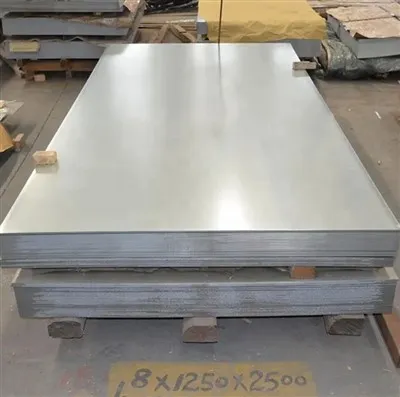
Hey there! As a carbon steel coil supplier, I often get asked about the thermal conductivity of carbon steel coil. So, I thought I'd write a blog post to shed some light on this topic.
First off, let's talk about what thermal conductivity actually means. In simple terms, thermal conductivity is a measure of how well a material can conduct heat. A material with high thermal conductivity can transfer heat quickly, while a material with low thermal conductivity is a poor heat conductor.
Now, when it comes to carbon steel coil, its thermal conductivity can vary depending on a few factors. The main factors that influence the thermal conductivity of carbon steel include its carbon content, the presence of other alloying elements, and its microstructure.
Carbon steel is an alloy of iron and carbon, with carbon content typically ranging from 0.05% to 2.1%. Generally, as the carbon content in carbon steel increases, its thermal conductivity decreases. This is because carbon atoms disrupt the regular lattice structure of iron, which in turn hinders the flow of heat through the material.
Alloying elements can also have a significant impact on the thermal conductivity of carbon steel. For example, elements like chromium, nickel, and molybdenum are often added to carbon steel to improve its corrosion resistance, strength, and other properties. However, these alloying elements can also reduce the thermal conductivity of the steel.
The microstructure of carbon steel, which is determined by its heat treatment and processing history, also plays a role in its thermal conductivity. For instance, a fine-grained microstructure can enhance the thermal conductivity of carbon steel compared to a coarse-grained microstructure.
So, what's the typical thermal conductivity of carbon steel coil? Well, the thermal conductivity of carbon steel usually ranges from about 40 to 60 W/(m·K) at room temperature. To put this into perspective, copper, which is an excellent heat conductor, has a thermal conductivity of around 400 W/(m·K), while stainless steel, which contains a significant amount of alloying elements, has a thermal conductivity of about 15 to 20 W/(m·K).
Now, let's talk about why the thermal conductivity of carbon steel coil matters. In many industrial applications, heat transfer is a crucial factor. For example, in heat exchangers, boilers, and furnaces, carbon steel coils are often used to transfer heat efficiently. A higher thermal conductivity means that the carbon steel coil can transfer heat more effectively, which can improve the performance and energy efficiency of these systems.
On the other hand, in some applications where heat insulation is required, a lower thermal conductivity of carbon steel may be desirable. For example, in certain building structures or machinery components, carbon steel with lower thermal conductivity can help reduce heat loss or gain.
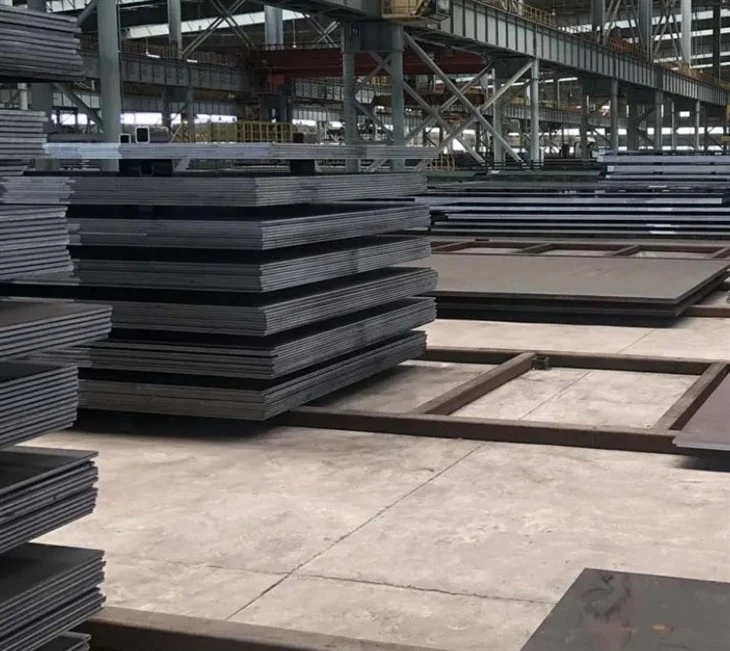

As a carbon steel coil supplier, I offer a wide range of carbon steel products, including Hr Pickled Sheet, Cr Coil Sheet, and Cr Sheet Coil. These products are carefully selected and processed to meet the specific requirements of our customers.
Whether you need carbon steel coil with high thermal conductivity for heat transfer applications or carbon steel with lower thermal conductivity for insulation purposes, I can help you find the right product. Our carbon steel coils are available in various sizes, thicknesses, and grades, and we can also provide customized solutions based on your needs.
If you're in the market for carbon steel coil and have any questions about thermal conductivity or other properties, feel free to reach out. I'm here to assist you in making the best choice for your application. Whether it's for a small project or a large-scale industrial operation, I'm confident that I can provide you with high-quality carbon steel coil at competitive prices.
In conclusion, the thermal conductivity of carbon steel coil is an important property that can significantly impact its performance in various applications. By understanding the factors that influence thermal conductivity and choosing the right carbon steel product, you can ensure optimal heat transfer and energy efficiency in your systems. So, don't hesitate to contact me if you're interested in purchasing carbon steel coil. Let's work together to find the perfect solution for your needs.
References:
- Callister, W. D., & Rethwisch, D. G. (2010). Materials Science and Engineering: An Introduction. Wiley.
- ASM Handbook, Volume 1: Properties and Selection: Irons, Steels, and High-Performance Alloys. ASM International.