Surface hardness is a crucial property when it comes to evaluating the quality and performance of construction materials, especially for products like the 150 C Purlin. As a leading supplier of 150 C Purlin, I understand the importance of this characteristic and its impact on various applications. In this blog, we'll delve into what the surface hardness of a 150 C Purlin is, why it matters, and how it can affect your construction projects.
What is a 150 C Purlin?
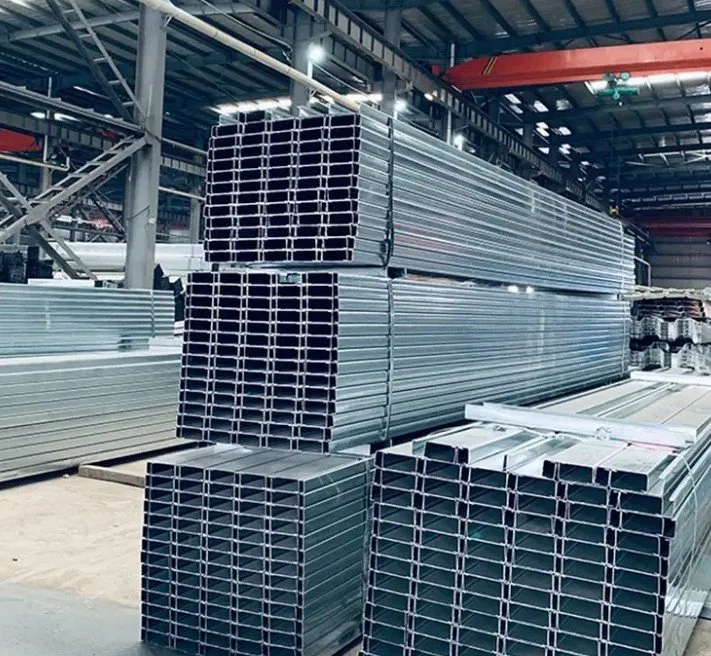
Before we dive into surface hardness, let's briefly introduce what a 150 C Purlin is. A 150 C Purlin is a type of cold - formed steel section with a C - shaped cross - section. The "150" typically refers to the height of the C - section in millimeters. These purlins are widely used in the construction industry as structural members, especially in roofing and wall systems. They provide support for the roofing or wall cladding and help distribute the loads evenly across the structure.
Understanding Surface Hardness
Surface hardness refers to the ability of a material's surface to resist indentation, scratching, wear, and deformation. It is a measure of how well the material can withstand mechanical forces applied to its surface. In the case of a 150 C Purlin, surface hardness is an important factor as it determines the purlin's durability and resistance to damage during handling, installation, and long - term use.
There are several methods to measure surface hardness, with the most common ones being the Brinell, Rockwell, and Vickers hardness tests. Each test has its own principles and is suitable for different types of materials and applications. For steel products like the 150 C Purlin, the Rockwell hardness test is often used due to its simplicity, speed, and wide range of applicability.
Factors Affecting the Surface Hardness of a 150 C Purlin
- Steel Composition: The chemical composition of the steel used to manufacture the 150 C Purlin plays a significant role in determining its surface hardness. Elements such as carbon, manganese, chromium, and nickel can increase the hardness of the steel. For example, a higher carbon content generally leads to a harder steel, as carbon forms carbides that strengthen the steel matrix.
- Heat Treatment: Heat treatment processes, such as quenching and tempering, can significantly alter the surface hardness of the 150 C Purlin. Quenching involves rapidly cooling the steel from a high temperature, which can form a hard and brittle martensitic structure. Tempering is then used to reduce the brittleness and improve the toughness of the steel while maintaining a relatively high hardness.
- Cold - Forming Process: The cold - forming process used to shape the 150 C Purlin can also affect its surface hardness. During cold - forming, the steel is subjected to plastic deformation, which can cause work hardening. Work hardening increases the hardness of the steel by introducing dislocations into the crystal structure, making it more difficult for the material to deform further.
Importance of Surface Hardness in 150 C Purlin Applications
- Wear Resistance: A 150 C Purlin with high surface hardness is more resistant to wear and abrasion. This is particularly important in applications where the purlin may come into contact with rough surfaces or experience repeated friction, such as in industrial buildings where there may be moving equipment or in coastal areas where the purlin may be exposed to sand and salt - laden air.
- Corrosion Resistance: Harder surfaces are often more resistant to corrosion. A well - hardened surface can act as a barrier, preventing corrosive agents from reaching the underlying steel. This is crucial for ensuring the long - term durability of the 150 C Purlin, especially in environments with high humidity or chemical exposure.
- Structural Integrity: The surface hardness of the 150 C Purlin also contributes to its overall structural integrity. A harder surface can better resist local deformation and damage, which helps maintain the purlin's shape and load - carrying capacity over time. This is essential for ensuring the safety and stability of the entire construction structure.
Comparing 150 C Purlin with Other Similar Products
When considering construction materials, it's often useful to compare the 150 C Purlin with other similar products, such as C Section Steel Channel and Slotted U Channel. While these products may have similar cross - sectional shapes, their surface hardness and other properties can vary depending on their manufacturing processes and intended applications.
C Section Steel Channels are similar to 150 C Purlins in shape but may have different surface hardnesses depending on their steel composition and heat treatment. They are often used in general structural applications and may require different levels of hardness based on the specific load requirements.
Slotted U Channels, on the other hand, are designed with slots for easy installation and adjustment. The surface hardness of Slotted U Channels may also be tailored to meet the specific needs of the application, such as ensuring a good balance between hardness and flexibility for proper fitting and fastening.
How to Ensure the Desired Surface Hardness in 150 C Purlin
As a 150 C Purlin supplier, we take several steps to ensure that our products meet the desired surface hardness requirements. First, we carefully select the steel raw materials with the appropriate chemical composition. We work closely with our steel suppliers to ensure that the steel meets our strict quality standards.
Next, we implement strict quality control measures during the manufacturing process. This includes monitoring the heat treatment parameters, such as temperature and cooling rate, to ensure consistent hardness across the entire batch of 150 C Purlins. We also conduct regular hardness testing using reliable testing equipment to verify that the surface hardness of our products meets the specified requirements.
Conclusion
The surface hardness of a 150 C Purlin is a critical property that affects its durability, wear resistance, corrosion resistance, and structural integrity. Understanding the factors that influence surface hardness and its importance in different applications is essential for making informed decisions when selecting construction materials.
As a trusted 150 C Purlin supplier, we are committed to providing high - quality products with the desired surface hardness. Our expertise in steel selection, heat treatment, and quality control ensures that our 150 C Purlins meet the highest standards of performance and reliability.
If you are in the market for 150 C Purlins or have any questions about their surface hardness and applications, we encourage you to contact us for a detailed discussion. We are here to assist you in finding the best solutions for your construction projects.

References
- ASM Handbook Volume 1: Properties and Selection: Irons, Steels, and High - Performance Alloys. ASM International.
- Metals Handbook Desk Edition, 3rd Edition. ASM International.
- "Cold - Formed Steel Design Manual" by the American Iron and Steel Institute.