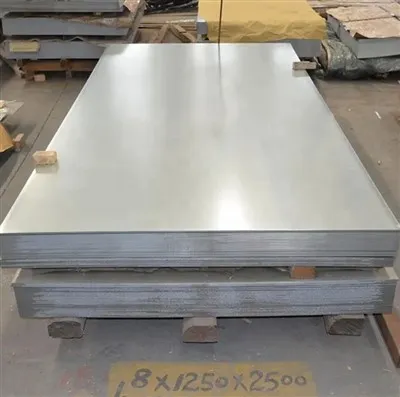
Carbon steel coils are a fundamental material in various industries, renowned for their versatility and strength. As a supplier of carbon steel coils, I've witnessed firsthand the remarkable capabilities of these products. In this blog, we'll explore the strength of carbon steel coils from multiple perspectives, including their mechanical properties, applications, and the factors that contribute to their robustness.
Mechanical Properties of Carbon Steel Coils
The strength of carbon steel coils is primarily determined by their mechanical properties, which are a result of the alloy's composition and the manufacturing process. Carbon steel is an alloy of iron and carbon, with carbon content typically ranging from 0.05% to 2.1%. The amount of carbon present in the steel significantly influences its strength, hardness, and ductility.
Tensile Strength
Tensile strength is a measure of the maximum stress a material can withstand before breaking under tension. Carbon steel coils exhibit high tensile strength, making them suitable for applications where the material needs to resist stretching or pulling forces. For example, in the construction industry, carbon steel coils are used to manufacture structural components such as beams and columns, which must support heavy loads. The high tensile strength of carbon steel ensures the structural integrity of these components, even under extreme conditions.
Yield Strength
Yield strength is the stress at which a material begins to deform plastically, meaning it will not return to its original shape after the load is removed. Carbon steel coils have a well - defined yield point, which is an important property in engineering design. Engineers can use the yield strength to determine the maximum load a structure or component can safely carry without permanent deformation. This is crucial in applications such as automotive manufacturing, where parts need to maintain their shape and function under normal operating conditions.


Hardness
Hardness is a measure of a material's resistance to indentation, scratching, or wear. Carbon steel coils can be heat - treated to increase their hardness, making them suitable for applications where wear resistance is essential. For instance, in the manufacturing of cutting tools, carbon steel with high hardness is used to ensure a sharp and long - lasting edge. The ability to control the hardness of carbon steel through heat treatment allows for a wide range of applications in different industries.
Applications of Carbon Steel Coils
The strength of carbon steel coils makes them indispensable in a wide variety of industries. Here are some of the key applications:
Construction
In the construction industry, carbon steel coils are used extensively for building structures, bridges, and infrastructure. The high strength - to - weight ratio of carbon steel allows for the construction of large - scale buildings with minimal material usage. Hot Rolled Coil Hrc is commonly used in the construction of beams, columns, and reinforcing bars, providing the necessary strength and stability to withstand the forces acting on the structure.
Automotive
Automotive manufacturers rely on carbon steel coils for the production of various components, including body panels, chassis parts, and engine components. The strength and formability of carbon steel make it an ideal material for automotive applications. For example, Hr Sheet Coil is used to manufacture car body panels, which need to be both strong and lightweight to improve fuel efficiency and safety.
Manufacturing
In the manufacturing industry, carbon steel coils are used to produce a wide range of products, from household appliances to industrial machinery. The strength and durability of carbon steel make it suitable for manufacturing parts that need to withstand high levels of stress and wear. Cr Sheet Coil is often used in the production of precision components, such as gears and shafts, due to its smooth surface finish and excellent mechanical properties.
Factors Affecting the Strength of Carbon Steel Coils
Several factors can affect the strength of carbon steel coils, including the following:
Carbon Content
As mentioned earlier, the carbon content in carbon steel has a significant impact on its strength. Generally, as the carbon content increases, the strength and hardness of the steel also increase, while the ductility decreases. However, excessive carbon content can make the steel brittle, reducing its overall performance. Therefore, the carbon content needs to be carefully controlled during the manufacturing process to achieve the desired balance of properties.
Alloying Elements
In addition to carbon, other alloying elements can be added to carbon steel to enhance its strength and other properties. For example, manganese can improve the hardenability and strength of the steel, while chromium can increase its corrosion resistance. The addition of these alloying elements is carefully regulated to optimize the performance of the carbon steel coils for specific applications.
Manufacturing Process
The manufacturing process of carbon steel coils also plays a crucial role in determining their strength. Hot rolling and cold rolling are two common methods used to produce carbon steel coils. Hot rolling is typically used to produce Hot Rolled Coil Hrc, which has a relatively rough surface finish but good mechanical properties. Cold rolling, on the other hand, is used to produce Hr Sheet Coil and Cr Sheet Coil, which have a smoother surface finish and higher precision. Heat treatment processes, such as annealing, quenching, and tempering, can also be used to further improve the strength and other properties of the carbon steel coils.
Quality Control and Assurance
As a carbon steel coil supplier, quality control and assurance are of utmost importance. We implement strict quality control measures throughout the manufacturing process to ensure that our carbon steel coils meet the highest standards of strength and quality. This includes regular testing of the mechanical properties, chemical composition, and surface finish of the coils. We also use advanced inspection equipment and techniques to detect any defects or irregularities in the coils, ensuring that only the best - quality products are delivered to our customers.
Conclusion
The strength of carbon steel coils is a result of their unique mechanical properties, which are influenced by factors such as carbon content, alloying elements, and the manufacturing process. These properties make carbon steel coils suitable for a wide range of applications in various industries, including construction, automotive, and manufacturing. As a supplier of carbon steel coils, we are committed to providing our customers with high - quality products that meet their specific requirements.
If you are interested in purchasing carbon steel coils for your project, we invite you to contact us for a detailed discussion. Our team of experts is ready to assist you in selecting the right type of carbon steel coil and providing you with the best possible solutions.
References
- ASM Handbook Committee. (2008). ASM Handbook Volume 1: Properties and Selection: Irons, Steels, and High - Performance Alloys. ASM International.
- Degarmo, E. P., Black, J. T., & Kohser, R. A. (2003). Materials and Processes in Manufacturing. Wiley.
- Kalpakjian, S., & Schmid, S. R. (2006). Manufacturing Engineering and Technology. Pearson Prentice Hall.