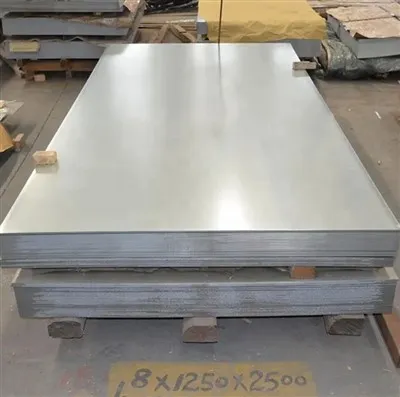
As a seasoned supplier of carbon steel coils, I am often asked about the straightening process for carbon steel coil. This process is crucial as it significantly impacts the quality and usability of the final product. In this blog, I'll walk you through the ins and outs of the carbon steel coil straightening process.
Understanding Carbon Steel Coils
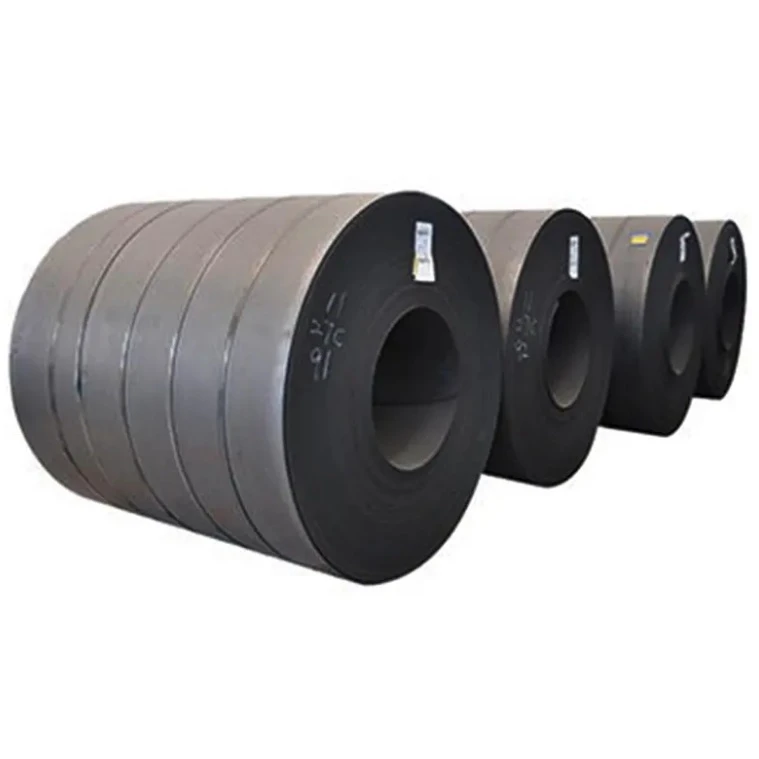
Before delving into the straightening process, it's essential to understand what carbon steel coils are. Carbon steel is an alloy composed primarily of iron and carbon, with small amounts of other elements. The carbon content can vary, which affects the steel's properties such as strength, hardness, and ductility. Carbon steel coils are formed by rolling the steel into a continuous strip and then coiling it for easy storage and transportation. They are widely used in various industries, including automotive, construction, and manufacturing.
Why Straightening is Necessary
When carbon steel coils are produced, they often have some degree of curvature or unevenness. This can be due to the rolling process, cooling effects, or handling during transportation. Straightening is necessary to achieve a flat and uniform surface, which is crucial for many applications. For example, in the automotive industry, straight and flat steel sheets are required for stamping and forming parts. In construction, straight steel coils are used for accurate fabrication and assembly. Without proper straightening, the final products may have dimensional inaccuracies, which can lead to poor fit and performance.
The Straightening Process
The straightening process for carbon steel coils typically involves several steps, and different methods can be employed depending on the specific requirements of the product.
1. Inspection
The first step in the straightening process is inspection. The carbon steel coils are carefully examined to identify any visible defects, such as cracks, scratches, or excessive curvature. This inspection helps determine the appropriate straightening method and parameters. During the inspection, measurements are also taken to assess the degree of curvature and the thickness of the coil. This information is crucial for setting up the straightening equipment correctly.
2. Uncoiling
Once the inspection is complete, the carbon steel coil needs to be uncoiled. This is usually done using an uncoiler machine. The uncoiler unwinds the coil at a controlled speed, feeding the steel strip into the straightening equipment. The speed of uncoiling is important as it affects the tension and stability of the steel strip during the straightening process.
3. Straightening Methods
There are several methods for straightening carbon steel coils, and the choice of method depends on factors such as the thickness of the steel, the degree of curvature, and the required level of flatness.
Roll Straightening
Roll straightening is one of the most common methods. In this process, the steel strip passes through a series of rollers. The rollers are arranged in a specific pattern to apply pressure and bend the steel in the opposite direction of its curvature. By adjusting the position and pressure of the rollers, the degree of straightening can be controlled. Roll straightening is suitable for a wide range of steel thicknesses and can achieve high levels of flatness. For example, for thinner carbon steel coils, a smaller number of rollers may be used, while thicker coils may require more rollers to ensure effective straightening.
Stretch Straightening
Stretch straightening is another method used for straightening carbon steel coils. In this process, the steel strip is subjected to a controlled amount of tension. The tension stretches the steel, which helps to remove internal stresses and straighten the strip. Stretch straightening is particularly effective for correcting long - wave curvature and improving the flatness of the steel. However, it requires careful control of the tension to avoid over - stretching, which can cause damage to the steel.
Leveling
Leveling is a process that combines elements of roll straightening and stretch straightening. It uses a combination of rollers and tension to achieve a high degree of flatness. The steel strip passes through a leveling machine, which has multiple rollers arranged in a complex pattern. The rollers apply pressure and adjust the shape of the steel, while tension is applied to ensure uniform straightening. Leveling is often used for high - precision applications where a very flat surface is required.
4. Post - Straightening Inspection
After the straightening process is complete, the steel strip undergoes another inspection. This inspection checks for the final flatness, dimensional accuracy, and any remaining defects. If any issues are detected, the strip may need to be re - straightened or undergo additional processing. The post - straightening inspection ensures that the carbon steel coil meets the required quality standards before it is shipped to the customer.
Quality Control in the Straightening Process
Quality control is an integral part of the straightening process for carbon steel coils. To ensure the highest quality, several measures are taken.
Equipment Calibration
The straightening equipment, such as rollers and tensioning devices, needs to be regularly calibrated. Calibration ensures that the equipment operates accurately and consistently, which is crucial for achieving the desired level of straightening. For example, the position and pressure of the rollers need to be calibrated to ensure that they apply the correct amount of force to the steel strip.
Process Monitoring
During the straightening process, various parameters are monitored, such as the speed of the uncoiling, the pressure of the rollers, and the tension applied. Monitoring these parameters helps detect any deviations from the set standards and allows for timely adjustments. For instance, if the tension is too high, it can cause the steel to break, while if it is too low, the straightening may not be effective. By continuously monitoring these parameters, the quality of the straightening process can be maintained.
Testing
In addition to visual inspection, various tests can be conducted on the straightened carbon steel coils. These tests include flatness measurement, thickness measurement, and hardness testing. Flatness measurement is used to ensure that the steel strip meets the required flatness tolerance. Thickness measurement helps verify that the thickness of the steel is within the specified range. Hardness testing is important as it can indicate any changes in the mechanical properties of the steel during the straightening process.
Applications of Straightened Carbon Steel Coils
Straightened carbon steel coils have a wide range of applications in different industries.
Automotive Industry
In the automotive industry, straightened carbon steel coils are used for manufacturing various parts, such as body panels, chassis components, and engine parts. The high level of flatness and dimensional accuracy achieved through the straightening process ensures that these parts fit together precisely, which is crucial for the overall performance and safety of the vehicle. For example, body panels need to be straight and flat to provide a smooth exterior surface and proper alignment of doors and windows.
Construction Industry
In the construction industry, straightened carbon steel coils are used for building structures, such as bridges, buildings, and industrial facilities. They are used for fabricating beams, columns, and other structural components. The straightness of the steel coils is essential for accurate construction and assembly. For instance, in a high - rise building, straight steel beams are required to ensure the stability and integrity of the structure.
Manufacturing Industry
In the manufacturing industry, straightened carbon steel coils are used for making a variety of products, such as appliances, furniture, and machinery. The flat and uniform surface of the steel coils makes them suitable for processes such as stamping, bending, and welding. For example, in the production of household appliances, straightened steel sheets are used for making the outer casings, which need to have a smooth and aesthetically pleasing appearance.

Related Products
If you are interested in our carbon steel coil products, we also offer Hr Pickled Sheet, Hr Sheet Coil, and Hr Cr Coils. These products are manufactured with high - quality standards and can meet your specific requirements.
Conclusion
The straightening process for carbon steel coils is a complex but essential step in ensuring the quality and usability of the final product. By understanding the different methods of straightening, the importance of quality control, and the wide range of applications, you can make informed decisions when it comes to purchasing carbon steel coils. If you are in need of high - quality straightened carbon steel coils, please feel free to contact us for procurement and negotiation. We are committed to providing you with the best products and services.
References
- "Steel Processing Handbook", published by the American Iron and Steel Institute.
- "Manufacturing Processes for Engineering Materials", by Serope Kalpakjian and Steven Schmid.
- Industry reports on carbon steel coil production and applications.