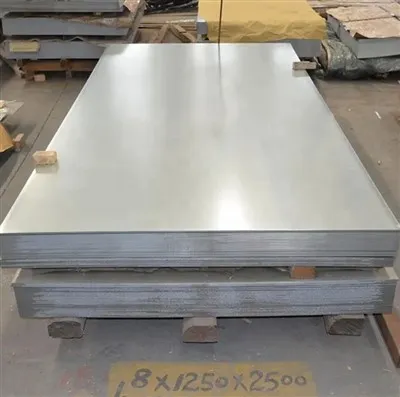
Hey there! As a supplier of Steel Z Purlins, I often get asked about all sorts of technical aspects. One question that pops up quite a bit is, "What is the radiation resistance of Steel Z Purlins?" Well, let's dig into this topic and break it down.
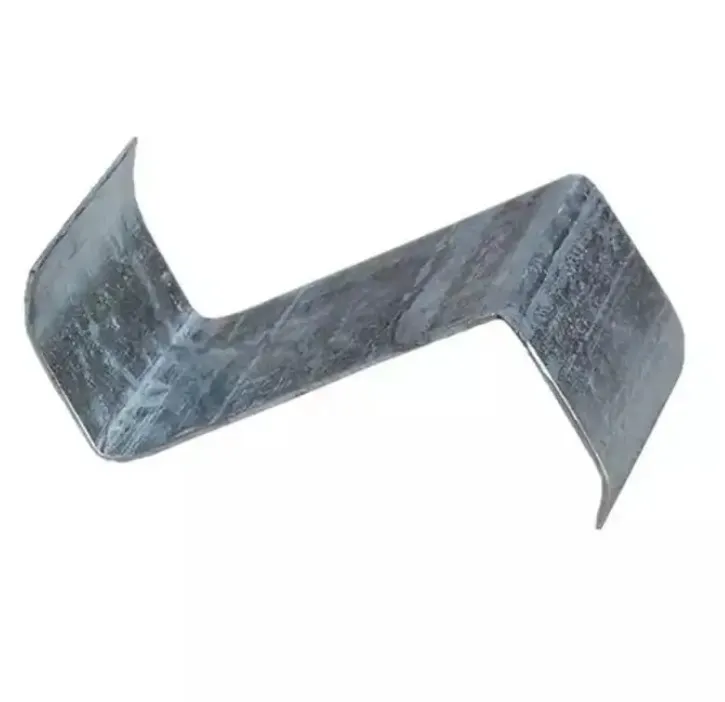
First off, let's understand what Steel Z Purlins are. These are structural members commonly used in construction, especially in roofing and wall systems. They're made of steel, which gives them strength and durability. They have a distinctive Z - shaped cross - section, which provides excellent load - bearing capabilities. You can check out more about the Z Section Steel on our website.
Now, when we talk about radiation resistance, we're mainly concerned with how well the material can withstand different types of radiation. There are various forms of radiation, such as electromagnetic radiation (like radio waves, microwaves, infrared, visible light, ultraviolet, X - rays, and gamma rays) and particle radiation (such as alpha and beta particles).
How Steel Z Purlins React to Electromagnetic Radiation
Let's start with electromagnetic radiation. Steel, being a metal, has some interesting properties when it comes to interacting with electromagnetic waves.
Radio Waves and Microwaves
Radio waves and microwaves are low - energy forms of electromagnetic radiation. Steel Z Purlins act as a conductor for these types of waves. When radio waves or microwaves hit the steel purlins, they induce electric currents on the surface of the steel. This is due to the free electrons in the metal. In a way, the steel purlins can be thought of as a shield for these low - frequency waves. They can reflect a significant portion of the incoming radio and microwave radiation. For example, in a building with Steel Z Purlins in the roof, if there are radio or microwave signals trying to penetrate from the outside, a large part of those signals will be bounced off the purlins. This can be both an advantage and a disadvantage. On one hand, it can protect the interior of the building from unwanted radio interference. On the other hand, it might also cause problems if you're trying to receive a weak radio or microwave signal inside the building.
Infrared and Visible Light
Infrared radiation is associated with heat, and visible light is what we can see. Steel Z Purlins absorb some of the infrared radiation that hits them. When infrared waves are absorbed, the steel heats up. This is because the energy from the infrared waves is transferred to the atoms in the steel, causing them to vibrate more vigorously, which in turn raises the temperature of the steel. As for visible light, steel has a certain reflectivity. The surface finish of the steel purlins can affect how much light is reflected. A smooth, polished surface will reflect more light compared to a rough, rusty surface.
Ultraviolet, X - rays, and Gamma Rays
Ultraviolet (UV) rays can cause some surface degradation of the steel over time. UV radiation can break down the protective coatings on the steel, if any, and start to oxidize the surface, leading to rust. X - rays and gamma rays are high - energy forms of radiation. Steel has a relatively high density, which means it can absorb a fair amount of X - ray and gamma - ray radiation. However, for very high - energy gamma rays, thick layers of steel may be required to provide sufficient shielding.
Particle Radiation and Steel Z Purlins
Alpha Particles
Alpha particles are relatively large and heavy, consisting of two protons and two neutrons. They have a low penetrating power. Steel Z Purlins can easily stop alpha particles. Even a thin layer of steel is enough to block alpha radiation. This is because the alpha particles interact strongly with the atoms in the steel, losing their energy quickly and getting absorbed.
Beta Particles
Beta particles are either electrons or positrons. They have a higher penetrating power than alpha particles. Steel Z Purlins can still provide a good amount of shielding against beta particles. The thickness of the steel will determine how much beta radiation is stopped. A thicker steel purlin will be more effective at blocking beta particles compared to a thinner one.
Factors Affecting Radiation Resistance of Steel Z Purlins
There are several factors that can influence how well Steel Z Purlins resist radiation:
Thickness
As mentioned earlier, the thickness of the steel plays a crucial role. Thicker steel purlins will generally provide better shielding against all types of radiation, especially high - energy radiation like X - rays and gamma rays. A thicker layer of steel means there are more atoms for the radiation to interact with, increasing the chances of absorption or scattering of the radiation.
Surface Coating
The surface coating on the steel purlins can also affect radiation resistance. A protective coating can prevent the steel from being directly exposed to certain types of radiation. For example, a zinc coating can protect the steel from UV - induced oxidation. Some special coatings may also enhance the shielding properties of the steel against specific types of radiation.
Alloy Composition
The alloy composition of the steel can impact its radiation - absorbing capabilities. Different elements in the alloy can interact with radiation in different ways. For instance, adding certain elements like lead or tungsten to the steel alloy can increase its ability to absorb high - energy radiation.
Applications Where Radiation Resistance Matters
There are some specific applications where the radiation resistance of Steel Z Purlins is important:
Industrial Facilities
In industrial facilities that deal with radioactive materials or high - energy radiation sources, Steel Z Purlins can be used in the construction of shielding structures. For example, in nuclear power plants or research laboratories working with radioactive isotopes, the purlins can help in containing the radiation within a certain area.
Telecommunication Buildings
In telecommunication buildings, the ability of Steel Z Purlins to reflect radio and microwave radiation can be utilized to control the signal environment. By strategically placing the purlins, it's possible to minimize unwanted signal interference and improve the overall performance of the communication systems.
Comparison with Other Structural Members
Let's compare Steel Z Purlins with Slotted U Channel and Formed Steel Channel in terms of radiation resistance.
Slotted U Channel
Slotted U Channels have a different cross - sectional shape compared to Steel Z Purlins. In terms of radiation resistance, the slotted design might allow some radiation to pass through the slots, especially low - frequency electromagnetic waves. However, the overall steel material still provides a certain level of shielding. Generally, Steel Z Purlins with their continuous Z - shape may offer better overall shielding as there are no slots for the radiation to sneak through.

Formed Steel Channel
Formed Steel Channels are also made of steel, but their shape and thickness distribution may be different from Steel Z Purlins. Depending on the specific design and thickness, they can have similar radiation - shielding properties. However, the Z - shape of the Steel Z Purlins can sometimes provide better structural integrity and potentially better radiation - blocking capabilities in certain applications.
Conclusion
So, in conclusion, the radiation resistance of Steel Z Purlins is a complex topic that depends on various factors such as the type of radiation, thickness of the steel, surface coating, and alloy composition. They offer good shielding against a wide range of radiation types, from low - energy radio waves to high - energy gamma rays, depending on the circumstances.
If you're in the market for Steel Z Purlins and need a reliable supplier, look no further. We're here to provide you with high - quality products that meet your specific requirements. Whether you're working on a construction project that requires radiation - resistant structures or just need strong and durable purlins for your building, we've got you covered. Feel free to reach out to us to start a discussion about your procurement needs.
References
- "Introduction to Radiation Protection" by John E. Turner
- "Electromagnetic Fields and Waves" by Simon Ramo, John R. Whinnery, and Theodore Van Duzer