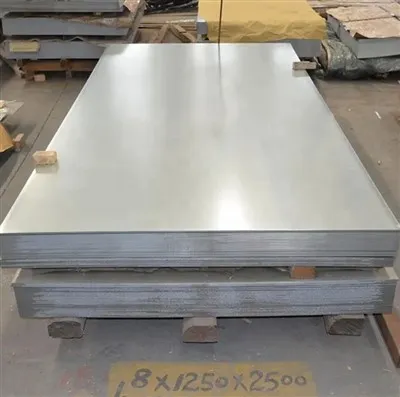
Hey there! As a carbon steel coil supplier, I often get asked about the normalizing process for carbon steel coil. It's a crucial step in the production of high - quality carbon steel coils, and I'm excited to break it down for you.
What is Normalizing?
Normalizing is a heat treatment process that's used to refine the grain structure of carbon steel. When we talk about carbon steel coils, the raw material might have an uneven grain size, which can affect its mechanical properties. Normalizing helps to make the grain size more uniform and finer, enhancing the overall quality of the steel.
Let's start with the basics. Carbon steel is an alloy made primarily of iron and carbon, with small amounts of other elements like manganese, silicon, and sulfur. The carbon content in carbon steel can vary, and this affects its properties. For example, higher carbon content generally means higher strength but lower ductility.
The normalizing process involves heating the carbon steel coil to a specific temperature above its critical range. This critical range depends on the carbon content and other alloying elements in the steel. Once the coil reaches the right temperature, it's held there for a certain period to allow the internal structure to transform. After that, the coil is cooled in still air.
The Steps in the Normalizing Process
Heating
The first step is heating the carbon steel coil. We use industrial furnaces to do this. The temperature is carefully controlled because if it's too low, the grain refinement won't happen properly. And if it's too high, we might end up with other issues like excessive scaling on the surface of the coil. For most carbon steel coils, the heating temperature is usually between 800°C and 950°C.
During the heating process, the steel changes from its original structure to austenite, which is a face - centered cubic crystal structure. This austenite phase is important because it allows for the subsequent grain refinement.
Soaking
After the coil reaches the target temperature, we hold it there for a while. This is called the soaking period. The length of the soaking period depends on the thickness of the coil and the specific requirements of the steel. A thicker coil will need a longer soaking time to ensure that the entire cross - section reaches the right temperature and the transformation to austenite is complete.
During the soaking period, the atoms in the steel have time to rearrange themselves, and the grain boundaries start to move. This helps in breaking down the larger grains into smaller, more uniform ones.
Cooling
Once the soaking is done, we take the coil out of the furnace and let it cool in still air. This air - cooling is a key part of the normalizing process. Unlike quenching, where the steel is cooled very rapidly in a liquid like water or oil, air - cooling is a slower process. This slower cooling rate allows the austenite to transform into a more stable structure, usually a combination of ferrite and pearlite.
The resulting structure has better mechanical properties. It's stronger and more ductile compared to the non - normalized steel. The uniform grain size also improves the machinability of the carbon steel coil.
Why is Normalizing Important for Carbon Steel Coils?
Improved Mechanical Properties
Normalizing significantly improves the mechanical properties of carbon steel coils. As I mentioned earlier, it makes the grain size more uniform. This leads to better strength, toughness, and ductility. For example, in applications where the steel needs to withstand high stress, like in construction or automotive parts, a normalized carbon steel coil will perform much better than a non - normalized one.
Enhanced Machinability
Machinability is another important factor. When the grain structure is uniform, it's easier to cut, drill, and shape the carbon steel coil. This reduces the wear and tear on cutting tools and improves the overall efficiency of the machining process. So, for manufacturers who use carbon steel coils to make various products, a normalized coil can save time and money.
Stress Relief
The normalizing process also helps in relieving internal stresses in the carbon steel coil. These stresses can be introduced during the manufacturing process, like rolling or welding. By normalizing the coil, we can reduce these stresses, which in turn reduces the risk of cracking or deformation during subsequent processing or use.
Different Types of Carbon Steel Coils and Normalizing
We offer different types of carbon steel coils, such as Hr Sheet Coil, Hot Rolled Steel Sheet In Coil, and Cr Coil Sheet. Each type might have slightly different normalizing requirements.
Hot - rolled carbon steel coils, like the Hot Rolled Steel Sheet In Coil, are often normalized to improve their surface finish and mechanical properties. During the hot - rolling process, the steel is subjected to high temperatures and mechanical forces, which can result in an uneven grain structure. Normalizing helps to correct this.
Cold - rolled carbon steel coils, such as Cr Coil Sheet, also benefit from normalizing. Cold - rolling can introduce a lot of internal stress and change the grain structure. Normalizing can relieve the stress and refine the grains, making the coil more suitable for applications where high precision and good surface quality are required.
Quality Control in the Normalizing Process
As a supplier, we take quality control very seriously. We use advanced temperature sensors and monitoring systems in our furnaces to ensure that the heating and soaking temperatures are accurate. We also have strict testing procedures after the normalizing process.
We test the mechanical properties of the normalized carbon steel coils, such as tensile strength, yield strength, and elongation. We also examine the microstructure using metallographic techniques to make sure the grain size is within the desired range. Only when the coils pass all these tests do we consider them ready for shipment.
Conclusion
The normalizing process is a vital part of producing high - quality carbon steel coils. It improves the mechanical properties, enhances machinability, and relieves internal stresses. Whether you're in the construction, automotive, or manufacturing industry, a normalized carbon steel coil can offer better performance and reliability.
If you're interested in purchasing high - quality carbon steel coils, we're here to help. We have a wide range of products, including Hr Sheet Coil, Hot Rolled Steel Sheet In Coil, and Cr Coil Sheet. Reach out to us to start a procurement discussion and find the perfect carbon steel coil for your needs.

References
- ASM Handbook Volume 4: Heat Treating. ASM International.
- Metals Handbook Desk Edition, Third Edition. ASM International.