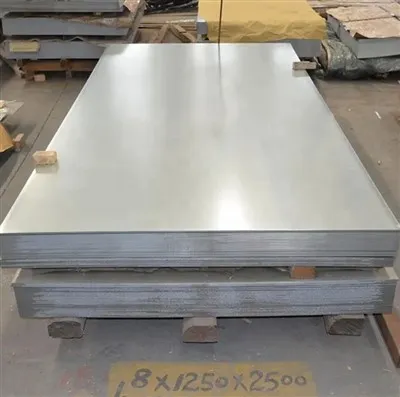
Yo, what's up everyone! I'm a supplier of Carbon Steel Coil, and today I wanna talk about the magnetic property of carbon steel coil. It's a topic that might not sound super exciting at first, but trust me, it's pretty interesting once you dig into it.
First off, let's get a basic understanding of what carbon steel coil is. Carbon steel is an alloy made up mainly of iron and carbon, with small amounts of other elements like manganese, sulfur, phosphorus, and silicon. The carbon content in carbon steel can vary, and this variation affects its properties, including its magnetic behavior.
So, is carbon steel coil magnetic? The short answer is yes, most carbon steel coils are magnetic. The reason behind this lies in the structure of iron, which is the primary component of carbon steel. Iron has a unique atomic structure that allows it to be easily magnetized. When iron atoms align their magnetic fields in the same direction, they create a magnetic domain. In carbon steel, these magnetic domains can be influenced by an external magnetic field, causing the steel to become magnetized.
The magnetic property of carbon steel coil is mainly due to the presence of ferrite, a form of iron that is magnetic. Ferrite is a solid - solution of carbon in iron, and it makes up a significant portion of the microstructure of carbon steel. As the carbon content in the steel increases, the amount of ferrite may decrease, which can affect the magnetic properties to some extent. However, even in high - carbon steels, there is usually still enough ferrite present to make the steel magnetic.
Now, let's talk about how this magnetic property is useful in real - world applications. One of the most common uses of the magnetic property of carbon steel coil is in the manufacturing of electrical transformers and motors. In these devices, the magnetic field created by the carbon steel is used to convert electrical energy into mechanical energy or vice versa. The ability of carbon steel to be magnetized and demagnetized quickly makes it an ideal material for these applications.
Another application is in magnetic separation processes. Industries such as mining and recycling use magnetic separators to separate magnetic materials from non - magnetic ones. Carbon steel coils can be used in these separators because of their magnetic nature. This helps in purifying raw materials and recycling scrap metals more efficiently.
When it comes to our products, we offer a wide range of carbon steel coils with different magnetic properties to suit various customer needs. For example, our Hot Rolled Coil Hrc is a popular choice. It has excellent magnetic properties due to its well - controlled microstructure and carbon content. This makes it suitable for a variety of applications, from electrical components to construction.
Our Hr Slit Coil is another great option. It is slit into narrow strips, which can be used in precision manufacturing. The magnetic property of this coil ensures that it can be easily handled in automated production lines that rely on magnetic fixtures and sensors.
And then there's our Mill Sheet Ss400. This sheet has a consistent magnetic behavior, making it reliable for applications where a stable magnetic field is required. Whether it's for making magnetic shielding or for use in magnetic - based sensors, our Mill Sheet Ss400 can get the job done.
The magnetic property of carbon steel coil can also be affected by external factors. Heat treatment, for instance, can change the microstructure of the steel, which in turn can alter its magnetic properties. Annealing, quenching, and tempering are common heat - treatment processes that can be used to modify the magnetic behavior of carbon steel. For example, annealing can increase the ductility of the steel and also change the alignment of the magnetic domains, potentially enhancing its magnetic properties.
Cold working is another factor. When carbon steel is cold - worked, such as by rolling or drawing, the crystal structure of the steel is deformed. This can cause the magnetic domains to become more randomly oriented, which may reduce the magnetic permeability of the steel. However, in some cases, cold working can also increase the magnetic coercivity, which is the ability of the steel to resist demagnetization.
We understand that different customers have different requirements when it comes to the magnetic property of carbon steel coil. That's why we work closely with our clients to ensure that we can provide the right product for their specific applications. Whether you need a highly magnetic coil for a high - performance motor or a coil with a specific level of magnetic stability for a sensitive sensor, we've got you covered.


If you're in the market for carbon steel coil and want to learn more about the magnetic properties and how they can benefit your business, don't hesitate to reach out. We're always happy to have a chat and discuss your needs. Whether it's for a small - scale project or a large - scale industrial application, we can provide you with the best - quality carbon steel coil at a competitive price.
In conclusion, the magnetic property of carbon steel coil is a crucial characteristic that makes it suitable for a wide range of applications. From electrical devices to industrial separation processes, the ability of carbon steel to be magnetized and demagnetized plays a vital role. As a supplier, we're committed to providing high - quality carbon steel coils with the right magnetic properties to meet your specific requirements. So, if you're interested in purchasing carbon steel coil, contact us for a consultation and let's work together to find the perfect solution for you.
References
- "Steels: Processing, Structure, and Performance" by George Krauss
- "Introduction to Metallurgy" by George E. Dieter