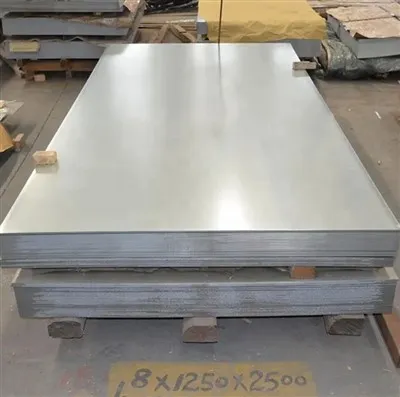
As a supplier of 150 C purlins, I am often asked about the joint types of these essential structural components. In the realm of construction and engineering, understanding the suitable joint types for 150 C purlins is crucial for ensuring the structural integrity, stability, and overall performance of a building. In this blog post, I will delve into the various joint types of 150 C purlins, their characteristics, and applications.
Overview of 150 C Purlins
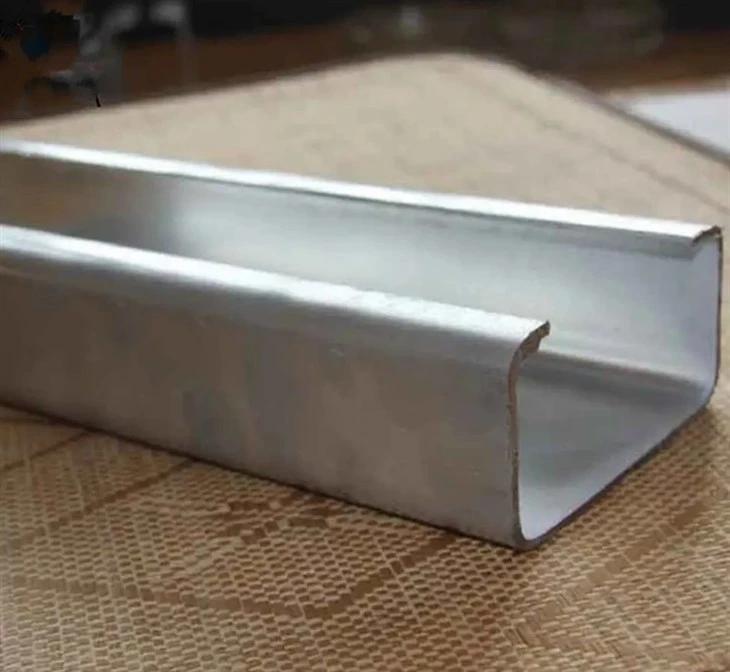
Before we explore the joint types, it's important to have a clear understanding of what 150 C purlins are. 150 C purlins are a type of cold - formed steel section with a cross - section resembling the letter "C". The "150" typically refers to the height of the purlin in millimeters. These purlins are widely used in roofing and wall systems of industrial, commercial, and residential buildings due to their high strength - to - weight ratio, ease of installation, and cost - effectiveness.
Common Joint Types for 150 C Purlins
Bolted Joints
Bolted joints are one of the most popular joint types for 150 C purlins. This joint method involves using bolts to connect two or more purlin sections. The process usually includes drilling holes in the flanges and webs of the purlins at the desired connection points and then inserting bolts and tightening them with nuts.
Characteristics
- Strength and Reliability: Bolted joints can provide high strength, which is capable of withstanding significant loads. The pre - tightened bolts create a frictional force between the connected surfaces, enhancing the load - carrying capacity of the joint.
- Adjustability: They offer a certain degree of adjustability during the installation process. This allows for minor corrections in the alignment of purlins, which is especially useful in on - site construction where small deviations may occur.
- Demountability: Bolted joints are demountable, which means that the purlins can be disassembled and reassembled if necessary, for example, during building modifications or relocations.
Applications
Bolted joints are commonly used in large - scale industrial buildings where high structural integrity is required. They are also suitable for structures that may need future modifications or expansions, as the demountability feature allows for easy re - configuration.
Welded Joints
Welded joints involve permanently joining two 150 C purlin sections by melting and fusing the metal at the joint interface. This can be done using various welding techniques, such as arc welding or MIG (Metal Inert Gas) welding.
Characteristics
- High Stiffness: Welded joints create a continuous and rigid connection between the purlins. This results in high stiffness, which is beneficial for reducing deflection under load and improving the overall stability of the structure.
- Seamless Appearance: Once welded, the connection appears seamless, which can be aesthetically pleasing in some architectural applications.
- Permanent Bond: The welded joint is a permanent bond, which eliminates the risk of loosening over time due to vibration or other dynamic loads.
Applications
Welded joints are often used in structures where a high degree of stiffness and a seamless appearance are required, such as in some modern architectural designs. However, proper welding skills and quality control are essential to ensure the strength and durability of the joint.
Clip - in Joints
Clip - in joints use special clips to connect 150 C purlins. These clips are designed to fit over the flanges of the purlins and provide a secure connection.
Characteristics
- Quick Installation: Clip - in joints are extremely fast to install. Workers can simply snap the clips onto the purlins, which speeds up the construction process and reduces labor costs.
- Flexibility: They allow for some degree of flexibility in the structure, which can be advantageous in areas prone to seismic activity or thermal expansion and contraction.
- Non - Permanent: Unlike welded joints, clip - in joints are not permanent. This can be useful in situations where temporary connections are needed or for easy replacement of damaged purlins.
Applications
Clip - in joints are commonly used in residential and small - to - medium - scale commercial buildings where speed of construction is a priority. They are also suitable for pre - fabricated building systems, where quick assembly is required.
Comparison with Related Products
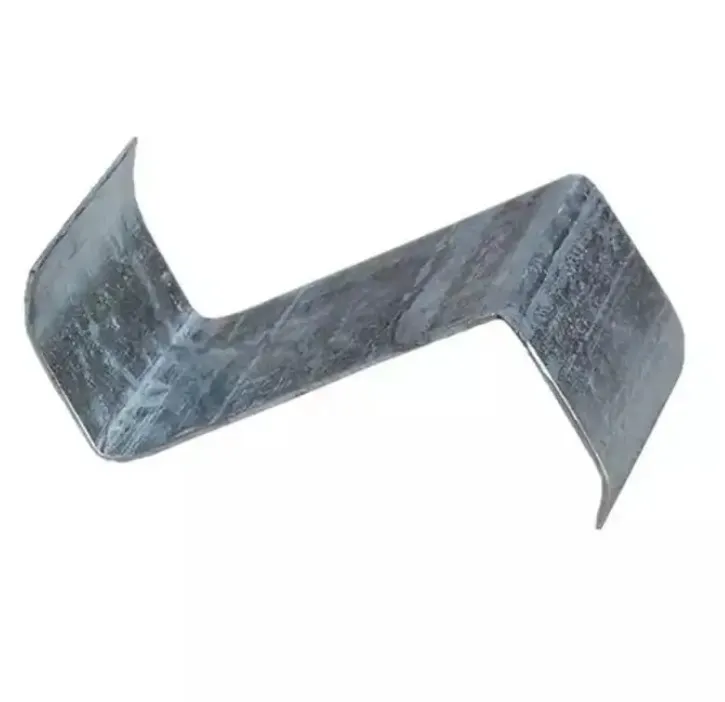
When considering the joint types of 150 C purlins, it's useful to compare them with related products such as Formed Steel Channel, 100Mm C Purlins, and Z Section Steel.
Formed steel channels have different cross - sectional shapes and may require different jointing methods. While the basic principles of bolted, welded, and clip - in joints can be applied, the specific design and dimensions of the formed steel channel may influence the choice of joint. For example, the flanges of formed steel channels may be wider or thinner than those of 150 C purlins, which can affect the stability and strength of the joint.
100mm C purlins are similar in shape to 150 C purlins but have a smaller height. The joint types for 100mm C purlins are generally the same as those for 150 C purlins, but the load - carrying capacity of the joints may be different. Smaller purlins are usually used in lighter - load applications, and the joint design needs to be adjusted accordingly to ensure proper performance.
Z section steel has a unique cross - sectional shape, which provides some different mechanical properties compared to C purlins. The joint types for Z section steel may also differ slightly. For example, the overlapping edges of Z section steel may require special joint designs to ensure a proper fit and connection.
Choosing the Right Joint Type
Selecting the appropriate joint type for 150 C purlins depends on several factors:
Load Requirements
The magnitude and type of loads that the purlins will be subjected to are crucial considerations. For heavy - load applications, such as large industrial roofs with heavy snow loads or overhead equipment, bolted or welded joints may be more suitable due to their high strength. In contrast, for lighter - load applications like residential roofing, clip - in joints may be sufficient.
Construction Speed
If the project has a tight construction schedule, clip - in joints are the obvious choice due to their quick installation. On the other hand, if time is not a critical factor and a high - quality, permanent connection is needed, welded joints may be preferred, even though they require more time and specialized skills.
Future Modifications
If there is a possibility of future building modifications or expansions, demountable joints such as bolted or clip - in joints are more appropriate. These joints allow for easy disassembly and reassembly of the purlins without significant damage to the structure.
Conclusion and Call to Action
In conclusion, understanding the joint types of 150 C purlins is essential for any construction project. Whether you choose bolted, welded, or clip - in joints, each type has its own advantages and is suitable for different applications. As a supplier of 150 C purlins, I am committed to providing high - quality products and professional advice on joint selection.
If you are in the process of planning a construction project and need 150 C purlins or have questions about joint types, I encourage you to reach out to me for further discussions and procurement opportunities. I am here to help you make the most informed decisions and ensure the success of your project.
References
- "Cold - Formed Steel Design Manual", American Iron and Steel Institute.
- "Structural Steel Design", Lin, T. Y., & Yu, W. W.