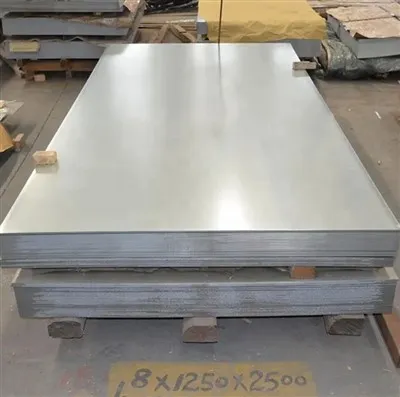
Impact resistance is a critical property in determining the durability and suitability of carbon steel coils for various applications. As a leading supplier of carbon steel coils, I have witnessed firsthand the importance of understanding this characteristic to ensure our customers make informed decisions. In this blog post, I will delve into the concept of impact resistance in carbon steel coils, exploring its definition, factors influencing it, and practical implications for different industries.
Understanding Impact Resistance
Impact resistance refers to a material's ability to withstand sudden or high-force impacts without experiencing significant deformation, cracking, or failure. In the context of carbon steel coils, this property is essential as it directly affects their performance in applications where they may be subjected to dynamic loads, such as in construction, automotive manufacturing, and heavy machinery.
To measure the impact resistance of carbon steel coils, engineers typically conduct tests using standardized methods, such as the Charpy V-notch test or the Izod impact test. These tests involve striking a sample of the steel with a pendulum or a hammer and measuring the energy absorbed during the impact. The higher the energy absorption, the better the impact resistance of the steel.


Factors Influencing Impact Resistance
Several factors can influence the impact resistance of carbon steel coils. Understanding these factors is crucial for manufacturers and suppliers to produce high-quality products that meet the specific requirements of different applications.
Chemical Composition
The chemical composition of carbon steel plays a significant role in determining its impact resistance. Carbon is the primary alloying element in carbon steel, and its content can affect the steel's hardness, strength, and toughness. Generally, higher carbon content results in increased hardness and strength but reduced toughness and impact resistance. Therefore, for applications requiring good impact resistance, steels with lower carbon content are often preferred.
In addition to carbon, other alloying elements, such as manganese, silicon, and nickel, can also be added to carbon steel to improve its impact resistance. Manganese, for example, can enhance the hardenability and toughness of the steel, while silicon can improve its strength and oxidation resistance. Nickel is commonly used in high-strength steels to increase their impact toughness, especially at low temperatures.
Microstructure
The microstructure of carbon steel coils also has a significant impact on their impact resistance. The microstructure refers to the arrangement of grains and phases within the steel, which can affect its mechanical properties. In general, a fine-grained microstructure is associated with higher impact resistance compared to a coarse-grained microstructure. This is because fine grains provide more barriers to crack propagation, making it more difficult for cracks to form and grow under impact loading.
Heat treatment processes, such as annealing, quenching, and tempering, can be used to control the microstructure of carbon steel coils and improve their impact resistance. Annealing, for example, involves heating the steel to a specific temperature and then slowly cooling it to relieve internal stresses and refine the grain structure. Quenching and tempering, on the other hand, are used to increase the hardness and strength of the steel while maintaining a certain level of toughness.
Manufacturing Process
The manufacturing process of carbon steel coils can also influence their impact resistance. For example, hot rolling is a common method used to produce carbon steel coils, and the hot rolling process can affect the microstructure and mechanical properties of the steel. During hot rolling, the steel is heated to a high temperature and then passed through a series of rollers to reduce its thickness and shape it into a coil. The temperature, speed, and reduction ratio during hot rolling can all affect the grain size and orientation of the steel, which in turn can affect its impact resistance.
Cold rolling is another method used to produce carbon steel coils, and it involves rolling the steel at room temperature to further reduce its thickness and improve its surface finish. Cold rolling can increase the strength and hardness of the steel but may also reduce its ductility and impact resistance. Therefore, for applications requiring good impact resistance, cold-rolled carbon steel coils may need to undergo additional heat treatment processes to restore their toughness.
Practical Implications for Different Industries
The impact resistance of carbon steel coils has significant practical implications for different industries. Here are some examples of how this property is important in various applications:
Construction
In the construction industry, carbon steel coils are widely used in the fabrication of structural components, such as beams, columns, and trusses. These components are often subjected to dynamic loads, such as wind, earthquake, and impact forces, during their service life. Therefore, it is essential for the carbon steel coils used in construction to have good impact resistance to ensure the safety and durability of the structures.
Hot Rolled Coil Hrc is a commonly used type of carbon steel coil in construction due to its high strength and good formability. However, the impact resistance of hot-rolled carbon steel coils can vary depending on their chemical composition, microstructure, and manufacturing process. Therefore, it is important for construction engineers to carefully select the appropriate grade of hot-rolled carbon steel coils based on the specific requirements of the project.
Automotive Manufacturing
In the automotive manufacturing industry, carbon steel coils are used in the production of various automotive components, such as body panels, chassis parts, and engine components. These components are often subjected to high-speed impacts and vibrations during the operation of the vehicle. Therefore, it is essential for the carbon steel coils used in automotive manufacturing to have good impact resistance to ensure the safety and reliability of the vehicles.
Hr Sheet Coil is a popular choice for automotive manufacturers due to its excellent formability and weldability. However, the impact resistance of HR sheet coils can be affected by factors such as the thickness, surface quality, and heat treatment of the coils. Therefore, automotive manufacturers need to work closely with their suppliers to ensure that the HR sheet coils they use meet the strict quality and performance requirements of the automotive industry.
Heavy Machinery
In the heavy machinery industry, carbon steel coils are used in the manufacturing of various heavy equipment, such as cranes, excavators, and bulldozers. These machines are often subjected to extreme loads and impacts during their operation, and the carbon steel coils used in their construction need to have high impact resistance to ensure their reliability and durability.
Hr Pickled Sheet is a type of carbon steel coil that is commonly used in the heavy machinery industry due to its smooth surface finish and good corrosion resistance. However, the impact resistance of HR pickled sheets can be influenced by factors such as the pickling process, the quality of the steel, and the subsequent heat treatment. Therefore, heavy machinery manufacturers need to pay close attention to the quality control of the HR pickled sheets they use to ensure the performance and safety of their equipment.
Conclusion
Impact resistance is a crucial property in carbon steel coils, and understanding its definition, factors influencing it, and practical implications is essential for manufacturers, suppliers, and end-users. As a supplier of carbon steel coils, I am committed to providing high-quality products that meet the specific requirements of our customers. If you are interested in purchasing carbon steel coils for your project, please [contact us] to discuss your needs. We will be happy to assist you in selecting the appropriate grade of carbon steel coils and providing you with the best possible service.
References
- ASM Handbook, Vol. 1: Properties and Selection: Irons, Steels, and High-Performance Alloys. ASM International, 1990.
- Callister, W.D. Materials Science and Engineering: An Introduction. Wiley, 2007.
- Schmid, R. and Schwabe, H.-J. Structure and Properties of Ferrous Metals. Springer, 2000.