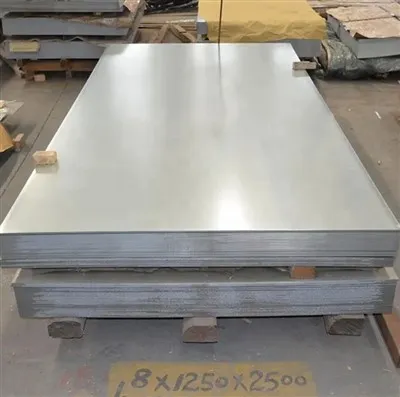
As a steel plate supplier, I've witnessed firsthand the intricate balance between the demand for steel products and the environmental consequences of their production. Steel plates are ubiquitous in various industries, from construction to automotive manufacturing, due to their strength, durability, and versatility. However, it's crucial to understand the environmental impact associated with their production to make informed decisions and work towards more sustainable practices.
Energy Consumption
One of the most significant environmental impacts of steel plate production is its high energy consumption. The steelmaking process involves several energy-intensive steps, including mining, ore processing, and refining. According to the World Steel Association, the steel industry accounts for approximately 7% of global carbon dioxide emissions, primarily due to the use of fossil fuels in energy production.
In the mining phase, large amounts of energy are required to extract iron ore from the earth. This involves heavy machinery, such as drills, trucks, and crushers, which run on diesel fuel. Once the ore is extracted, it undergoes a series of processing steps to remove impurities and convert it into iron. This process, known as ironmaking, typically involves heating the ore in a blast furnace with coke, a form of coal, which releases large amounts of carbon dioxide into the atmosphere.
The next step in steel plate production is steelmaking, where the iron is further refined and alloyed with other elements to achieve the desired properties. This process can be carried out in either a basic oxygen furnace (BOF) or an electric arc furnace (EAF). BOFs are the traditional method of steelmaking and are more energy-intensive, as they rely on the combustion of fossil fuels to heat the furnace. EAFs, on the other hand, use electricity to melt scrap steel, which is a more energy-efficient and environmentally friendly option. However, the production of electricity also has its own environmental impacts, depending on the source of energy.
Water Usage
Another significant environmental impact of steel plate production is its high water usage. Water is used in various stages of the steelmaking process, including cooling, washing, and cleaning. According to the United States Geological Survey, the steel industry is one of the largest industrial users of water in the world, consuming approximately 70 billion gallons of water per day.
The cooling process is particularly water-intensive, as large amounts of water are required to cool the molten steel and prevent it from solidifying too quickly. This water is typically recycled and reused, but a significant amount is lost through evaporation and other processes. In addition, the washing and cleaning processes also require large amounts of water to remove impurities and contaminants from the steel.
The high water usage in steel plate production can have several environmental impacts, including water scarcity, water pollution, and habitat destruction. In regions where water is scarce, the demand for water by the steel industry can exacerbate water shortages and lead to conflicts over water resources. In addition, the discharge of wastewater from the steel industry can contain various pollutants, such as heavy metals, chemicals, and suspended solids, which can contaminate water sources and harm aquatic ecosystems.
Air Pollution
Steel plate production also generates significant amounts of air pollution, primarily due to the combustion of fossil fuels and the release of particulate matter and other pollutants into the atmosphere. The ironmaking and steelmaking processes involve the use of large amounts of energy, which is typically derived from coal, oil, and natural gas. The combustion of these fossil fuels releases carbon dioxide, sulfur dioxide, nitrogen oxides, and other pollutants into the atmosphere, which can contribute to climate change, acid rain, and smog.
In addition to the combustion of fossil fuels, the steelmaking process also generates significant amounts of particulate matter, which can have harmful effects on human health and the environment. Particulate matter consists of tiny particles of dust, soot, and other pollutants that can be inhaled into the lungs and cause respiratory problems, such as asthma, bronchitis, and lung cancer. The steel industry is one of the largest sources of particulate matter emissions in the world, and efforts are being made to reduce these emissions through the use of pollution control technologies and the adoption of more sustainable production practices.
Waste Generation
Steel plate production also generates significant amounts of waste, including slag, dust, and scrap metal. Slag is a byproduct of the ironmaking and steelmaking processes and consists of a mixture of minerals and other materials that are separated from the molten steel. Slag can be used in various applications, such as road construction, cement production, and soil stabilization, but a significant amount is still disposed of in landfills.
Dust is another byproduct of the steelmaking process and consists of fine particles of metal and other materials that are released into the atmosphere during the production process. Dust can be captured and recycled, but a significant amount is still released into the environment, where it can contribute to air pollution and other environmental problems.
Scrap metal is also generated during the steel plate production process and can be recycled and reused to make new steel products. Recycling scrap metal is a more energy-efficient and environmentally friendly option than producing new steel from virgin materials, as it requires less energy and generates fewer emissions. However, the recycling process also has its own environmental impacts, such as the energy required to collect, transport, and process the scrap metal.
Sustainable Solutions
Despite the significant environmental impacts of steel plate production, there are several sustainable solutions that can be implemented to reduce these impacts and make the steel industry more environmentally friendly. One of the most effective solutions is the use of renewable energy sources, such as solar, wind, and hydroelectric power, to replace fossil fuels in the steelmaking process. Renewable energy sources are clean, abundant, and sustainable, and can help to reduce greenhouse gas emissions and other environmental impacts associated with the combustion of fossil fuels.
Another sustainable solution is the adoption of more energy-efficient production technologies and practices, such as the use of electric arc furnaces, which are more energy-efficient than traditional basic oxygen furnaces. In addition, the use of advanced process control systems and automation can help to optimize the production process and reduce energy consumption and waste generation.

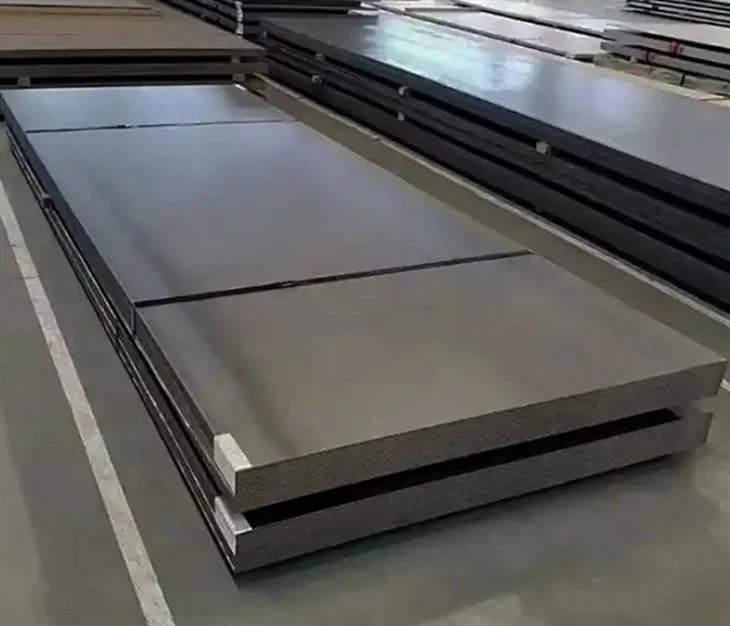
The recycling of scrap metal is also an important sustainable solution, as it can help to reduce the demand for virgin materials and conserve natural resources. Recycling scrap metal requires less energy and generates fewer emissions than producing new steel from virgin materials, and can also help to reduce the environmental impacts associated with mining and ore processing.
Finally, the adoption of sustainable water management practices, such as water recycling and reuse, can help to reduce the water usage in steel plate production and minimize the environmental impacts associated with water scarcity and pollution. By implementing these sustainable solutions, the steel industry can reduce its environmental footprint and contribute to a more sustainable future.
Conclusion
As a steel plate supplier, I'm committed to promoting sustainable practices and reducing the environmental impact of our products. We understand that the demand for steel products is growing, and we're working hard to meet this demand while minimizing our impact on the environment. By using renewable energy sources, adopting more energy-efficient production technologies and practices, recycling scrap metal, and implementing sustainable water management practices, we're able to produce high-quality steel plates that are both environmentally friendly and economically viable.
If you're interested in learning more about our Astm Carbon Steel Plate, Ss400 Plate, or Astm A36 Carbon Steel Plate, or if you have any questions about our sustainable production practices, please don't hesitate to contact us. We're always happy to discuss our products and services with you and to help you find the right solution for your needs.
References
- World Steel Association. (2021). World Steel in Figures 2021. Retrieved from https://worldsteel.org/statistics-and-data/world-steel-in-figures/
- United States Geological Survey. (2018). Industrial Water Use in the United States. Retrieved from https://water.usgs.gov/watuse/industrial.html
- Environmental Protection Agency. (2021). Steel Industry Profile. Retrieved from https://www.epa.gov/air-emissions-inventories/steel-industry-profile