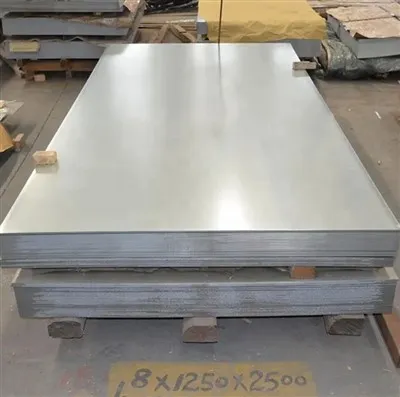
As a seasoned supplier of Steel Z Purlins, I've encountered numerous inquiries regarding the elasticity modulus of these essential construction components. In this blog, I aim to delve into the concept of the elasticity modulus of Steel Z Purlins, shedding light on its significance, influencing factors, and practical implications in the construction industry.
Understanding the Elasticity Modulus
The elasticity modulus, also known as Young's modulus, is a fundamental material property that measures the stiffness of a material. It represents the ratio of stress to strain within the elastic range of a material. In simpler terms, it quantifies how much a material will deform under a given amount of stress before it reaches its plastic deformation point.
For Steel Z Purlins, the elasticity modulus is a crucial parameter as it determines their ability to resist bending and deflection under load. A higher elasticity modulus indicates a stiffer material, which means that the purlin will experience less deformation when subjected to external forces. This is particularly important in construction applications where structural integrity and stability are paramount.
Factors Affecting the Elasticity Modulus of Steel Z Purlins
The elasticity modulus of Steel Z Purlins is primarily influenced by the following factors:
1. Steel Grade
The grade of steel used in the manufacturing of Z purlins plays a significant role in determining their elasticity modulus. Different steel grades have varying chemical compositions and microstructures, which directly affect their mechanical properties. Generally, high-strength steel grades have a higher elasticity modulus compared to low-strength grades. For example, ASTM A572 Grade 50 steel, which is commonly used in the production of Steel Z Purlins, has a higher elasticity modulus than ASTM A36 steel.
2. Manufacturing Process
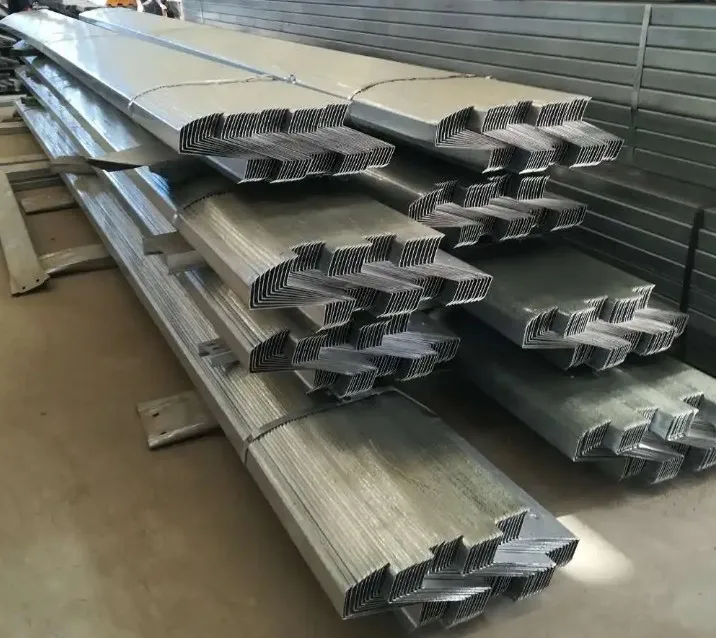
The manufacturing process employed to produce Steel Z Purlins can also impact their elasticity modulus. Cold-formed steel purlins, which are commonly used in construction, are formed by bending and shaping steel sheets at room temperature. This process can introduce residual stresses and alter the microstructure of the steel, which may affect its mechanical properties, including the elasticity modulus. On the other hand, hot-rolled steel purlins are produced by heating the steel above its recrystallization temperature and then rolling it into the desired shape. This process results in a more uniform microstructure and fewer residual stresses, which can lead to a more consistent elasticity modulus.
3. Cross-Sectional Shape and Dimensions
The cross-sectional shape and dimensions of Steel Z Purlins can also influence their elasticity modulus. Purlins with a larger cross-sectional area and moment of inertia generally have a higher elasticity modulus and are more resistant to bending and deflection. Additionally, the shape of the purlin, such as the depth and width of the flanges and web, can affect its stiffness and load-carrying capacity.
Significance of the Elasticity Modulus in Construction
The elasticity modulus of Steel Z Purlins is of utmost importance in construction applications for the following reasons:
1. Structural Design
Engineers rely on the elasticity modulus of Steel Z Purlins to accurately design and analyze the structural performance of buildings and other structures. By knowing the elasticity modulus, they can calculate the deflection and stress levels in the purlins under different loading conditions, ensuring that the structure meets the required safety and performance standards.
2. Load-Carrying Capacity
The elasticity modulus directly affects the load-carrying capacity of Steel Z Purlins. Purlins with a higher elasticity modulus can withstand greater loads without excessive deformation, making them suitable for use in applications where heavy loads are expected, such as industrial buildings and warehouses.

3. Durability and Longevity
A higher elasticity modulus also contributes to the durability and longevity of Steel Z Purlins. Purlins that are less prone to deformation are less likely to experience fatigue and other forms of damage over time, resulting in a longer service life and reduced maintenance costs.
Comparing Steel Z Purlins with Other Structural Members
When considering the use of Steel Z Purlins in construction, it's important to compare them with other structural members, such as Formed Steel Channel and Slotted U Channel. While each type of member has its own advantages and disadvantages, Steel Z Purlins offer several unique benefits:
1. Higher Strength-to-Weight Ratio
Steel Z Purlins typically have a higher strength-to-weight ratio compared to other types of structural members, such as wood or concrete. This means that they can provide the same level of structural support with less material, resulting in a lighter and more cost-effective structure.
2. Greater Flexibility
Steel Z Purlins are highly versatile and can be easily customized to meet the specific requirements of a project. They can be cut, bent, and welded to form a variety of shapes and sizes, making them suitable for use in a wide range of construction applications.
3. Improved Resistance to Environmental Factors
Steel Z Purlins are resistant to moisture, rot, and insect damage, making them ideal for use in outdoor and humid environments. They also have a high fire resistance rating, which can help to protect the structure in the event of a fire.
Conclusion
In conclusion, the elasticity modulus of Steel Z Purlins is a critical property that determines their stiffness, load-carrying capacity, and overall performance in construction applications. As a supplier of Steel Z Purlins, I understand the importance of providing high-quality products that meet the specific needs of my customers. By offering a wide range of steel grades, cross-sectional shapes, and dimensions, I can ensure that my customers have access to the most suitable purlins for their projects.
If you're interested in learning more about Steel Z Purlins or would like to discuss your specific requirements, please don't hesitate to contact me. I'm always happy to provide expert advice and assistance to help you make the right choice for your construction project.
References
- ASTM International. (2023). ASTM A572/A572M - 22: Standard Specification for High-Strength Low-Alloy Columbium-Vanadium Structural Steel.
- ASTM International. (2023). ASTM A36/A36M - 22a: Standard Specification for Carbon Structural Steel.
- American Iron and Steel Institute. (2016). Cold-Formed Steel Design Manual.