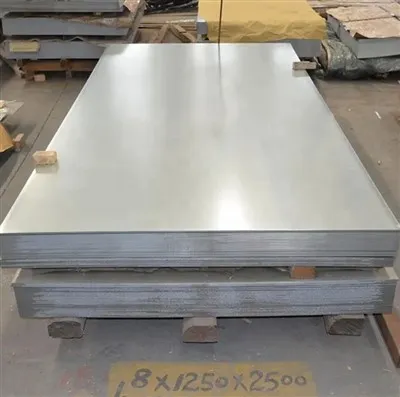
Hey there! As a copper sheet supplier, I often get asked about the ductility of copper sheets. So, I thought I'd take a few minutes to break it down for you.
First off, let's talk about what ductility actually means. In simple terms, ductility is the ability of a material to be stretched into a wire or drawn into a thin sheet without breaking. It's a measure of how malleable a metal is. And when it comes to copper sheets, they're pretty darn ductile.
Copper is a naturally occurring metal that has been used by humans for thousands of years. It's known for its excellent electrical and thermal conductivity, as well as its resistance to corrosion. But one of its most remarkable properties is its ductility.
The high ductility of copper sheets can be attributed to its atomic structure. Copper has a face - centered cubic (FCC) crystal structure. In an FCC structure, the atoms are arranged in a way that allows them to slide past each other relatively easily when a force is applied. This sliding of atoms is what enables the copper to be deformed without fracturing.
When we manufacture copper sheets, we can take advantage of this ductility. We start with large copper ingots. These ingots are heated to a specific temperature and then passed through a series of rollers. As the copper passes through the rollers, it gets thinner and longer. The ductility of copper allows us to reduce its thickness significantly without it cracking or breaking.
One of the great things about the ductility of copper sheets is that it makes them very versatile. They can be used in a wide range of applications. For example, in the electrical industry, copper sheets are used to make printed circuit boards. The ductility allows the sheets to be easily cut, bent, and shaped to fit the specific design requirements of the circuit boards. You can check out our Copper Sheet Plate for more details on the products suitable for such applications.


In the construction industry, copper sheets are often used for roofing. The ability to be formed into different shapes means that they can be used to create unique and aesthetically pleasing roof designs. They can be bent around curves and corners, providing a seamless and watertight covering for buildings.
Another area where the ductility of copper sheets shines is in the manufacturing of heat exchangers. Heat exchangers need to have a large surface area to transfer heat efficiently. Copper sheets can be formed into complex shapes, such as fins, which increase the surface area and improve the heat - transfer performance. Our 3 4 Refrigeration Copper Tubing is also related to this industry and benefits from copper's properties.
When it comes to working with copper sheets, there are a few things to keep in mind. Although copper is highly ductile, it does have its limits. If you try to deform it too quickly or apply too much force, it can still crack. So, it's important to use the right tools and techniques when working with copper sheets. For example, when bending copper sheets, it's best to use a bending brake or a roller to ensure a smooth and even bend.
The ductility of copper sheets also varies depending on the type of copper. There are different grades of copper, such as pure copper (also known as electrolytic copper) and copper alloys. Pure copper generally has higher ductility compared to some copper alloys. However, copper alloys are often used because they can have other desirable properties, such as increased strength or better corrosion resistance. Our Copper Metal Plate comes in different grades to meet various customer needs.
Now, let's talk about how we ensure the quality of the ductility of our copper sheets. We have a strict quality control process in place. We start by sourcing high - quality copper from reliable suppliers. Then, during the manufacturing process, we monitor the temperature, pressure, and speed of the rolling and forming operations. This helps us to ensure that the copper sheets have the desired level of ductility.
We also conduct various tests on the finished copper sheets. Tensile tests are one of the most common tests. In a tensile test, a sample of the copper sheet is pulled until it breaks. By measuring the amount of deformation before the break, we can determine the ductility of the sheet. We also perform bend tests to check how well the copper sheet can be bent without cracking.
If you're in the market for copper sheets, you'll want to consider the ductility as an important factor. Whether you're a small - scale DIY enthusiast or a large - scale industrial manufacturer, having copper sheets with good ductility can make your projects much easier.
We've got a wide range of copper sheets available, and we're confident that we can meet your needs. Our team of experts is always ready to help you choose the right type of copper sheet for your specific application. Whether you need a thin, highly ductile sheet for a delicate electrical project or a thicker, more durable sheet for a construction job, we've got you covered.
So, if you're interested in purchasing copper sheets, don't hesitate to get in touch. We can provide you with detailed information about our products, including their ductility, thickness, and other properties. We're here to make your copper - buying experience as smooth and hassle - free as possible.
In conclusion, the ductility of copper sheets is a remarkable property that makes them a popular choice in many industries. It allows for easy shaping and forming, which in turn enables a wide range of applications. As a copper sheet supplier, we're committed to providing high - quality copper sheets with excellent ductility. If you have any questions or want to start a purchase negotiation, feel free to reach out.
References
- "The Properties and Applications of Copper" - General knowledge on copper properties
- "Manufacturing Processes for Metal Sheets" - Information on copper sheet manufacturing
- "Testing Methods for Metal Ductility" - Details on tensile and bend tests