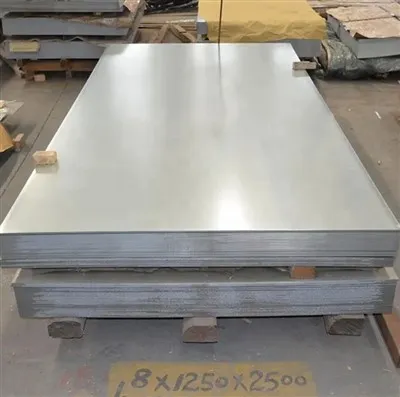
What is the ductility of carbon steel coil? As a carbon steel coil supplier, I've been asked this question quite a lot. So, I thought I'd take some time to break it down and share some insights with you.
First off, let's talk about what ductility actually means. In simple terms, ductility is a material's ability to be stretched or deformed without breaking. When it comes to carbon steel coils, ductility is a super important property. It determines how easily the steel can be shaped into different forms, like sheets or coils, and it also affects how well the steel can withstand stress during the manufacturing process.
Carbon steel is an alloy of iron and carbon, with the carbon content usually ranging from 0.05% to 2.1%. The amount of carbon in the steel has a big impact on its ductility. Generally speaking, the lower the carbon content, the higher the ductility. That's because carbon atoms can form hard and brittle compounds in the steel, which can reduce its ability to deform.
For example, low - carbon steel, which typically has a carbon content of less than 0.3%, is known for its high ductility. It's easy to bend, roll, and form into various shapes. This makes it a popular choice for applications where extensive shaping is required, such as in the automotive industry for making car bodies or in the construction industry for structural components. You can find high - quality low - carbon steel coils in our Hr Pickled Sheet category.
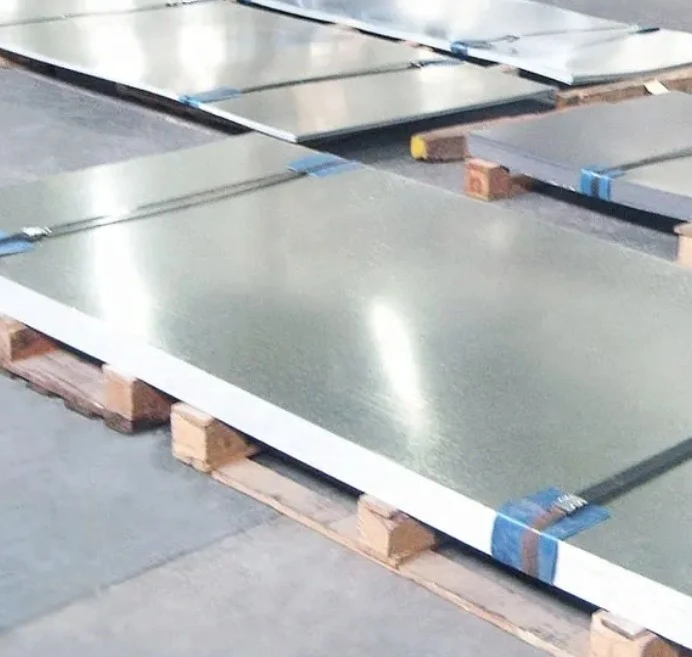

On the other hand, high - carbon steel, with a carbon content above 0.6%, is much less ductile. It's harder and stronger but more brittle. High - carbon steel coils are often used in applications where strength and wear resistance are more important than ductility, like in the production of cutting tools or springs.
Now, let's look at the factors that can affect the ductility of carbon steel coils. Aside from carbon content, the presence of other alloying elements can also play a role. Elements like manganese, silicon, and nickel can improve the strength and ductility of carbon steel when added in the right amounts. For instance, manganese can help to refine the grain structure of the steel, which in turn enhances its ductility.
The manufacturing process also has a significant impact on the ductility of carbon steel coils. Hot rolling, for example, is a common process used to produce carbon steel coils. During hot rolling, the steel is heated to a high temperature and then passed through rollers to reduce its thickness. This process can improve the ductility of the steel by breaking up any large grains and creating a more uniform structure. Our Hot Rolled Coil Hrc products are made using this high - quality hot - rolling process.
Cold rolling is another process that can affect the ductility of carbon steel. Cold rolling is done at room temperature and can increase the strength of the steel but may reduce its ductility. However, through proper heat treatment after cold rolling, the ductility can be restored to some extent.
The heat treatment of carbon steel coils is crucial for controlling their ductility. Annealing is a common heat - treatment process where the steel is heated to a specific temperature and then slowly cooled. This process can relieve internal stresses in the steel and improve its ductility. Quenching and tempering, on the other hand, are used to increase the strength and hardness of the steel but need to be carefully controlled to avoid excessive loss of ductility.
When it comes to our product range, we also offer Hr Slit Coil. Our slitting process is designed to ensure that the ductility of the carbon steel is maintained. We take great care in every step of the production process to deliver high - quality carbon steel coils with the desired level of ductility to meet different customer needs.
In industries, the ductility of carbon steel coils is a key factor in many design and manufacturing decisions. For instance, in the oil and gas industry, carbon steel pipes made from ductile coils are preferred because they can withstand the high pressure and external forces encountered in pipelines. In the manufacturing of home appliances, the ability to easily form the steel into different shapes due to its ductility is essential for creating aesthetically pleasing and functional products.
As a carbon steel coil supplier, we understand the importance of ductility in different applications. We work closely with our customers to understand their specific requirements and provide them with carbon steel coils that have the right balance of ductility, strength, and other properties.
Whether you're in the automotive industry, construction, or any other field that requires carbon steel coils, we can offer you products that meet your high - standard needs. The ductility of our carbon steel coils is well - tested and guaranteed, ensuring that you can use them with confidence in your manufacturing processes.
If you're interested in purchasing carbon steel coils or have any questions about their ductility or other properties, feel free to get in touch with us. We're more than happy to have in - depth discussions about your needs and provide you with the most suitable solutions.
References:
- Smith, J. "The Properties of Carbon Steel Alloys." Metallurgy Journal, 2018.
- Brown, A. "Manufacturing Processes of Carbon Steel." Manufacturing Review, 2020.
- Johnson, M. "Industrial Applications of Ductile Metals." Industry Insights, 2019.