Hey there! I'm a supplier of C purlins, and today I wanna chat about the corrosion resistance of C purlins. It's a topic that's super important for anyone in the construction or building materials biz, so let's dive right in.
First off, what exactly are C purlins? Well, they're structural components commonly used in building construction. They've got that distinctive C shape, which gives them great strength and stability. You'll often find them in roofs and walls of commercial and industrial buildings, providing support for the roofing and cladding.
Now, corrosion is a big deal when it comes to these purlins. Corrosion is basically the deterioration of a material, usually metal, due to chemical reactions with its environment. For C purlins, this can be a real headache because it can weaken the structure over time. Imagine having a roof supported by corroded purlins – it's not a pretty sight!
So, what factors affect the corrosion resistance of C purlins?
Material Quality
The type of steel used to make the C purlins plays a huge role. High - quality steel with the right alloying elements is going to be more resistant to corrosion. For example, steel that contains elements like chromium, nickel, and copper can form a protective oxide layer on the surface. This layer acts as a barrier, preventing oxygen and moisture from reaching the underlying metal and causing corrosion. When we're making our C purlins, we always source the best quality steel to ensure they can stand up to the elements.
Coating
Another crucial factor is the coating applied to the C purlins. There are different types of coatings available, and each has its own benefits.
Galvanized Coating
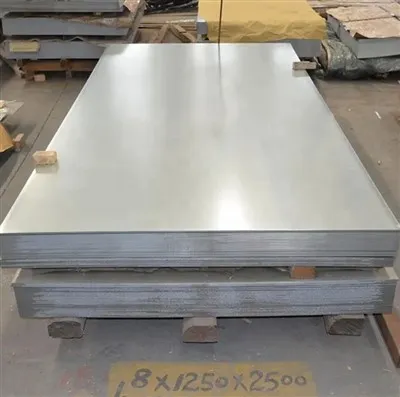
Galvanizing is a very common method. It involves coating the steel with a layer of zinc. Zinc is more reactive than steel, so when it's exposed to the environment, it corrodes first, sacrificing itself to protect the steel beneath. A well - galvanized C purlin can last for decades in many environments. The thickness of the zinc coating also matters. Thicker coatings generally provide better protection, especially in harsher environments.
Powder Coating
Powder coating is another option. It involves applying a dry powder to the surface of the purlin and then baking it to form a hard, durable finish. Powder coatings can come in a variety of colors, so you can choose one that suits your building's aesthetic. They not only provide good corrosion resistance but also add an extra layer of protection against scratches and abrasions.
Environmental Conditions
The environment where the C purlins are installed has a significant impact on their corrosion resistance.
Humidity
High humidity levels mean there's more moisture in the air. Moisture is one of the main culprits in corrosion because it allows oxygen to react with the metal more easily. In coastal areas, for example, where the air is often humid and salty, C purlins need to be extra corrosion - resistant. The salt in the air can accelerate the corrosion process, so we might recommend using purlins with a thicker galvanized coating or a special powder coating designed for coastal environments.
Chemical Exposure
If the building is located near an industrial area where there are chemicals in the air, such as sulfur dioxide or chlorine, the C purlins are at a higher risk of corrosion. These chemicals can react with the metal and break down the protective coating. In such cases, we might suggest using purlins with a more advanced coating system that can withstand chemical attacks.
Comparing C Purlins with Other Similar Products
Let's talk about how C purlins stack up against other similar products in terms of corrosion resistance.
Z Section Steel
Z Section Steel is another type of structural component used in construction. In terms of corrosion resistance, Z section steel and C purlins are quite similar if they're made from the same material and have the same coating. However, the shape of the Z section can sometimes trap moisture in certain areas, which might increase the risk of corrosion in those spots. On the other hand, the open C shape of C purlins allows for better drainage of water, reducing the chances of water pooling and causing corrosion.
Slotted U Channel
Slotted U Channel is also used in construction. Similar to Z section steel, its shape can sometimes lead to water retention, especially in the slots. C purlins, with their more open design, generally have an advantage when it comes to preventing water - related corrosion.
How to Ensure Long - Term Corrosion Resistance
As a C purlin supplier, I've got some tips on how to ensure your C purlins stay corrosion - free for as long as possible.
Proper Installation
During installation, it's important to make sure the purlins are installed correctly. This includes ensuring proper spacing, support, and alignment. If the purlins are not installed properly, they can be under stress, which can damage the coating and make them more susceptible to corrosion. Also, make sure there are no sharp edges or bends that could damage the coating during installation.
Regular Inspection
Regular inspections are key. Check the purlins for any signs of corrosion, such as rust spots or flaking of the coating. If you catch corrosion early, you can take steps to address it before it becomes a major problem. For example, you can touch up the coating in the affected areas or replace the damaged purlins if necessary.

Maintenance
In some cases, a little maintenance can go a long way. This could involve cleaning the purlins periodically to remove dirt, debris, and any corrosive substances that might have accumulated on the surface. You can also apply a protective coating or treatment if recommended by the manufacturer.
Our C Purlins and Corrosion Resistance
At our company, we take corrosion resistance very seriously. We use only the highest quality steel and apply the best coatings to our C purlins. Whether you need 150 C Purlin for a small project or a large quantity for an industrial building, we've got you covered. Our purlins are designed to withstand a wide range of environmental conditions, from humid coastal areas to industrial sites with chemical exposure.
If you're in the market for C purlins and want to learn more about their corrosion resistance or have any other questions, don't hesitate to get in touch. We're here to help you make the best choice for your project. Whether you're a contractor, builder, or DIY enthusiast, we can provide you with the right C purlins and the information you need to ensure a successful and long - lasting construction.
So, if you're looking for high - quality, corrosion - resistant C purlins, reach out to us. We'll be more than happy to discuss your requirements and offer you a great deal.
References
- "Corrosion of Metals in Construction" by John W. Martin
- "Steel Structures: Design and Practice" by S. K. Duggal