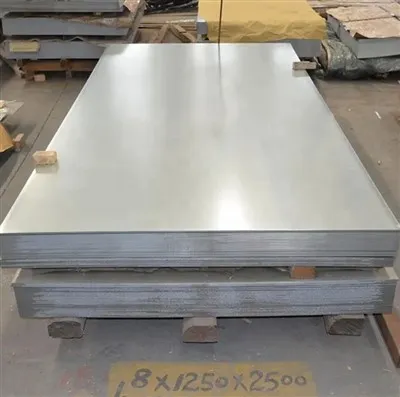
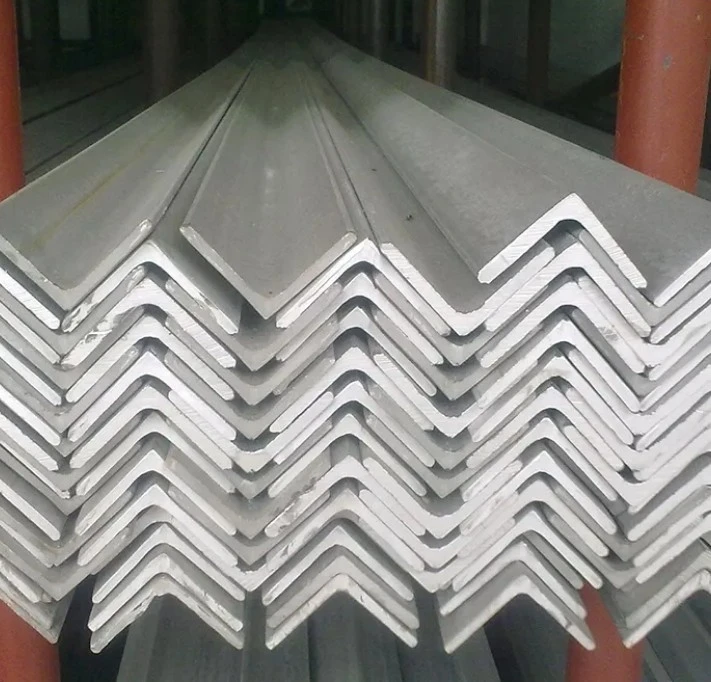
The corrosion resistance of alloy angle bars is a critical factor that determines their performance and longevity in various applications. As a leading supplier of alloy angle bars, I understand the importance of this characteristic and am eager to share in - depth knowledge with you.
Understanding Corrosion
Corrosion is a natural process that occurs when metals react with their environment, typically oxygen and moisture. This reaction leads to the formation of metal oxides or other compounds on the surface of the metal, which can weaken the structure over time. For alloy angle bars, which are used in construction, manufacturing, and many other industries, corrosion can compromise their structural integrity, reduce their load - bearing capacity, and ultimately lead to costly repairs or replacements.
Factors Affecting the Corrosion Resistance of Alloy Angle Bars
Alloy Composition
The composition of the alloy is one of the most significant factors influencing corrosion resistance. Different alloying elements offer different levels of protection against corrosion. For example, stainless steel alloy angle bars contain chromium, which forms a thin, protective oxide layer on the surface of the metal. This layer acts as a barrier, preventing oxygen and moisture from reaching the underlying metal and thus inhibiting corrosion. Nickel is another common alloying element that can enhance corrosion resistance, especially in environments with high levels of acids or salts.
Surface Treatment
Surface treatments play a crucial role in improving the corrosion resistance of alloy angle bars. One of the most popular surface treatments is galvanization. Galvanized Steel Angle Bar [/angle - bar/galvanized - steel - angle - bar.html] and Galvanised Angle Bar [/angle - bar/galvanised - angle - bar.html] are coated with a layer of zinc, which provides sacrificial protection. Zinc corrodes more readily than the base metal, so when the zinc layer is exposed to the environment, it corrodes first, protecting the underlying alloy angle bar from damage. Another surface treatment option is painting or powder coating, which can create a physical barrier between the metal and the corrosive environment.

Environmental Conditions
The environment in which the alloy angle bars are used also has a significant impact on their corrosion resistance. In coastal areas, where the air contains high levels of salt, alloy angle bars are more likely to corrode compared to those used in inland areas. Similarly, industrial environments with high levels of pollutants, such as sulfur dioxide or nitrogen oxides, can accelerate the corrosion process. Temperature and humidity also play important roles; high temperatures and humidity can increase the rate of corrosion by promoting the chemical reactions between the metal and the environment.
Testing the Corrosion Resistance of Alloy Angle Bars
To ensure the quality and performance of our alloy angle bars, we conduct rigorous corrosion resistance tests. One of the most common tests is the salt spray test, in which the alloy angle bars are exposed to a salt - laden mist for a specified period. After the test, the bars are examined for signs of corrosion, such as rust or pitting. The results of these tests help us determine the effectiveness of different alloy compositions and surface treatments and allow us to select the most suitable products for our customers' needs.
Applications of Alloy Angle Bars with High Corrosion Resistance
Alloy angle bars with high corrosion resistance are used in a wide range of applications. In the construction industry, they are used in building frames, bridges, and other structures where long - term durability is essential. For example, in coastal buildings, corrosion - resistant alloy angle bars can withstand the harsh marine environment and ensure the structural integrity of the building over time. In the manufacturing industry, they are used in the production of machinery and equipment, especially in environments where the equipment is exposed to corrosive substances.
Our Product Range
As a supplier, we offer a diverse range of alloy angle bars with different levels of corrosion resistance to meet the needs of various industries. Our Angle Bar 2X2X1 4 [/angle - bar/angle - bar - 2x2x1 - 4.html] is a popular choice for many customers. It is made from high - quality alloys and can be further enhanced with surface treatments to improve its corrosion resistance. Whether you need alloy angle bars for a small - scale project or a large - scale industrial application, we have the products and expertise to provide you with the best solutions.
Contact Us for Procurement
If you are interested in our alloy angle bars and want to learn more about their corrosion resistance and other properties, or if you have specific requirements for your project, we encourage you to contact us. Our team of experts is ready to assist you in selecting the most suitable products and providing you with detailed information and technical support. We are committed to delivering high - quality alloy angle bars that meet your expectations and ensure the success of your projects.
References
- Jones, D. A. (1992). Principles and Prevention of Corrosion. Prentice Hall.
- Uhlig, H. H., & Revie, R. W. (1985). Corrosion and Corrosion Control: An Introduction to Corrosion Science and Engineering. Wiley - Interscience.