Hey there! As a supplier of 150 C Purlins, I've been getting a lot of questions lately about the connection reliability of these nifty pieces of steel. So, I thought I'd take a few minutes to chat about it and share some insights.
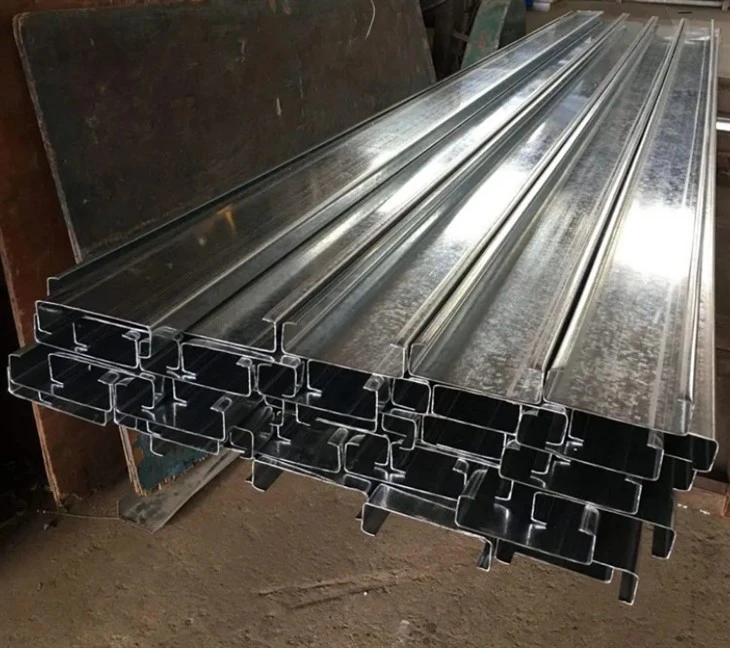
First off, let's talk about what 150 C Purlins are. They're basically C-shaped steel sections that are commonly used in construction, especially in roofing and wall systems. The "150" refers to the depth of the purlin in millimeters. These purlins play a crucial role in providing structural support, distributing loads evenly, and ensuring the overall stability of a building.
Now, when it comes to connection reliability, it's all about how well these purlins are attached to other components in the structure. There are a few key factors that can affect the connection reliability of 150 C Purlins, and I'll break them down for you.
1. Fastening Methods
One of the most important aspects of connection reliability is the fastening method used to attach the purlins. There are several options available, each with its own pros and cons.
- Bolting: Bolting is a popular choice because it provides a strong and reliable connection. It allows for easy installation and adjustment, and it can be used in a variety of applications. However, it's important to use the right size and type of bolts, and to ensure that they're tightened to the correct torque. Loose bolts can lead to a loss of connection reliability and potentially compromise the structural integrity of the building.
- Welding: Welding creates a permanent and very strong connection between the purlins and other components. It's often used in situations where a high level of strength and stability is required. However, welding requires specialized skills and equipment, and it can be more time-consuming and expensive than other fastening methods. Additionally, improper welding can lead to defects such as cracks or porosity, which can weaken the connection.
- Self - Drilling Screws: Self - drilling screws are a quick and easy way to connect purlins. They can be installed without the need for pre - drilling holes, which saves time and labor. However, they may not be as strong as bolts or welding, especially in high - load applications. It's important to use the right type and length of screws to ensure a secure connection.
2. Material Compatibility
Another factor that affects connection reliability is the compatibility of the materials being connected. 150 C Purlins are typically made of steel, and it's important to ensure that the other components they're being connected to are also made of compatible materials. For example, if you're connecting the purlins to a wooden structure, you need to use fasteners that are suitable for both steel and wood. Using incompatible materials can lead to corrosion, which can weaken the connection over time.
3. Load Capacity
The load capacity of the connection is also crucial. 150 C Purlins need to be able to support the weight of the roofing or wall system, as well as any additional loads such as snow, wind, or seismic forces. When designing the connection, it's important to calculate the expected loads accurately and choose a fastening method that can handle those loads. Overloading a connection can cause it to fail, which can have serious consequences for the safety of the building.

4. Environmental Conditions
Environmental conditions can also have an impact on connection reliability. For example, in areas with high humidity or saltwater exposure, corrosion can be a major problem. Galvanized purlins, like our Galvanised C Section Channel, can provide better protection against corrosion. However, it's still important to ensure that the connections are properly sealed and maintained to prevent moisture from getting in and causing damage.
5. Installation Quality
Last but not least, the quality of the installation plays a huge role in connection reliability. Even the best fastening method and materials won't work if the installation is done incorrectly. It's important to follow the manufacturer's instructions carefully, use the right tools and equipment, and ensure that the purlins are properly aligned and secured. A professional installer with experience in working with 150 C Purlins can make a big difference in the overall reliability of the connection.
At our company, we take connection reliability very seriously. We offer a wide range of C Section Steel Channel and Formed Steel Channel products, and we provide detailed installation guidelines to ensure that our customers get the best results. We also work closely with our customers to understand their specific needs and recommend the most suitable fastening methods and materials for their projects.
If you're in the market for 150 C Purlins or have any questions about connection reliability, don't hesitate to reach out. We're here to help you make the right choices for your construction project. Whether you're building a small shed or a large commercial building, we can provide you with high - quality purlins and the support you need to ensure a reliable and long - lasting connection.
In conclusion, the connection reliability of 150 C Purlins depends on a combination of factors, including fastening methods, material compatibility, load capacity, environmental conditions, and installation quality. By paying attention to these factors and choosing the right products and installation techniques, you can ensure that your 150 C Purlins provide a strong and reliable connection for your building.
So, if you're looking for a trusted supplier of 150 C Purlins, give us a shout. We're ready to assist you with your next project and help you achieve the best connection reliability possible.
References
- "Steel Construction Manual", American Institute of Steel Construction
- "Structural Steel Design", T. V. Galambos