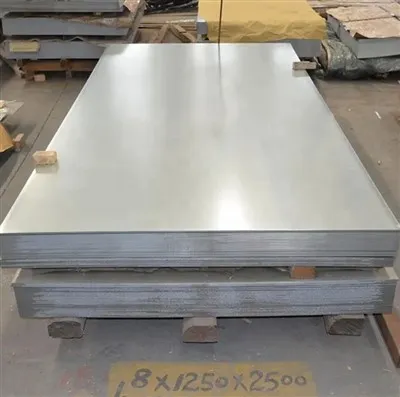
As a supplier of Z section steel, I understand the importance of selecting the right bending methods to meet diverse customer needs. Z section steel is widely used in construction, automotive, and manufacturing industries due to its excellent strength - to - weight ratio and versatility. In this blog, I will delve into the bending methods that are suitable for Z section steel.
Roll Bending
Roll bending is one of the most commonly used methods for bending Z section steel. This process involves passing the Z section steel through a series of rolls that gradually shape the steel into the desired curvature. The rolls can be adjusted to control the radius of the bend and the angle of the curve.

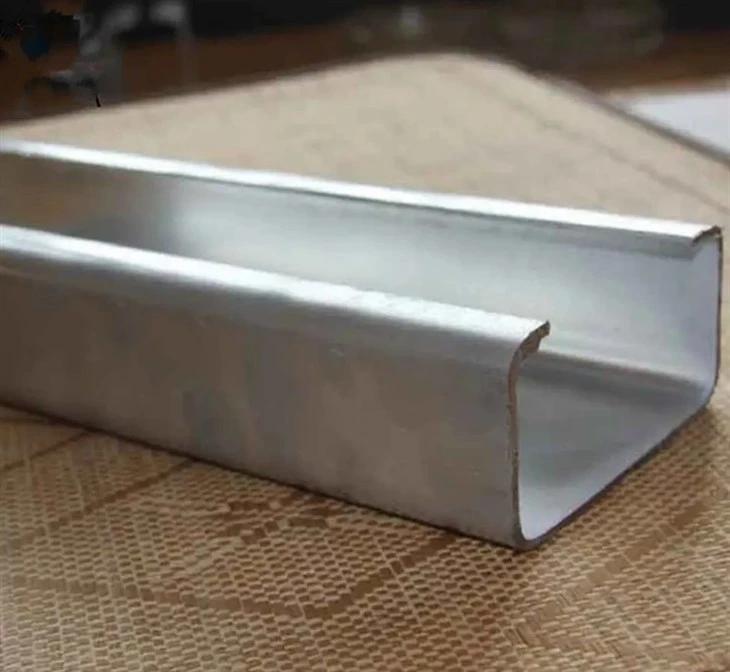
One of the main advantages of roll bending is its ability to produce consistent and precise bends. It can handle a wide range of bend radii, from large to relatively small, making it suitable for various applications. For example, in the construction of curved roofs or arches, roll - bent Z section steel can provide the necessary structural support while maintaining an aesthetically pleasing appearance.
Another benefit is its efficiency. Roll bending can be a continuous process, allowing for the production of long lengths of bent Z section steel in a relatively short time. This is particularly useful for large - scale projects where a significant amount of bent steel is required. However, it should be noted that roll bending may not be suitable for very complex or sharp bends. The equipment used in roll bending has limitations in terms of the minimum bend radius it can achieve, especially for thicker Z section steel.
Press Bending
Press bending is another popular method for bending Z section steel. In press bending, a hydraulic or mechanical press is used to apply a force to the Z section steel, causing it to bend. The steel is placed between a die and a punch, and the press exerts pressure to deform the steel into the desired shape.
Press bending offers a high degree of flexibility. It can be used to create both simple and complex bends, including right - angle bends, V - shaped bends, and custom - designed curves. This makes it suitable for applications where precise and intricate bends are required, such as in the manufacturing of automotive parts or custom - made structural components.
One of the key advantages of press bending is its ability to produce bends with high accuracy. The dies and punches can be precisely machined to ensure that the final product meets the exact specifications. Additionally, press bending can be used for a wide range of steel thicknesses. However, press bending may be more time - consuming compared to roll bending, especially for large - scale production. Each bend requires a separate setup of the press and the dies, which can increase the overall production time and cost.
Rotary Draw Bending
Rotary draw bending is a specialized bending method that is well - suited for Z section steel. This process involves clamping one end of the Z section steel and then using a rotating die to draw the steel around the die, creating a bend. Rotary draw bending can produce smooth, uniform bends with a high degree of accuracy.
One of the significant advantages of rotary draw bending is its ability to maintain the cross - sectional shape of the Z section steel during the bending process. This is crucial in applications where the integrity of the cross - section is essential for the structural performance of the steel. For example, in the construction of frameworks or support structures, maintaining the original cross - section can ensure that the steel retains its strength and load - bearing capacity.
Rotary draw bending can also achieve relatively small bend radii compared to roll bending. It is suitable for producing tight curves and bends in Z section steel. However, the equipment for rotary draw bending is more complex and expensive, and it may require specialized operators. This can increase the initial investment and operating costs of the bending process.
Heat Bending
Heat bending is a method that involves heating the Z section steel to a specific temperature and then bending it. Heating the steel reduces its yield strength, making it more malleable and easier to bend. Heat bending can be used to create large - radius bends and complex shapes in Z section steel.
One of the advantages of heat bending is its ability to overcome the limitations of cold - bending methods, such as roll bending and press bending, when it comes to thick or high - strength Z section steel. By heating the steel, it becomes possible to achieve bends that would be difficult or impossible to obtain at room temperature.
However, heat bending requires careful control of the heating process. Over - heating can cause changes in the microstructure of the steel, which may affect its mechanical properties. Additionally, heat - treated steel may require post - bending heat treatment to restore its original properties, which adds to the complexity and cost of the process.
Considerations When Choosing a Bending Method
When selecting a bending method for Z section steel, several factors need to be considered.
Material Properties
The type and grade of the Z section steel play a crucial role in determining the suitable bending method. High - strength steels may require more force to bend and may be more prone to cracking or deformation during the bending process. Heat - treatable steels may need special considerations during heat bending to ensure that their mechanical properties are maintained.
Bend Geometry
The required bend radius, angle, and complexity of the bend are important factors. Simple bends with large radii may be more easily achieved using roll bending, while complex or sharp bends may require press bending or rotary draw bending.
Production Volume
For large - scale production, methods that offer high efficiency, such as roll bending, may be more suitable. For small - batch or custom - made production, press bending or rotary draw bending, which offer more flexibility, may be preferred.
Cost
Cost is always a significant consideration. The initial investment in equipment, the cost of tooling, and the operating costs (including labor and energy) need to be taken into account. For example, roll bending may have a lower cost per unit for large - volume production, while press bending may be more cost - effective for small - scale projects with complex bends.
Applications of Bent Z Section Steel
Bent Z section steel has a wide range of applications. In the construction industry, it is used for roofing, wall cladding, and structural frameworks. Bent Z section steel can provide the necessary support and stability while allowing for creative and aesthetically pleasing designs. For instance, curved Z section steel can be used to create unique architectural features in buildings.
In the automotive industry, bent Z section steel is used in the manufacturing of chassis components, body frames, and suspension parts. The ability to produce precise bends in Z section steel ensures that these components meet the strict safety and performance requirements of the automotive industry.
In the manufacturing industry, bent Z section steel is used in the production of machinery, equipment, and furniture. It can be used to create custom - shaped parts that are essential for the proper functioning of the products.
Conclusion
As a Z section steel supplier, I am committed to providing our customers with the best solutions for their bending needs. Roll bending, press bending, rotary draw bending, and heat bending are all suitable methods for bending Z section steel, each with its own advantages and limitations. By carefully considering the material properties, bend geometry, production volume, and cost, we can help our customers choose the most appropriate bending method for their specific applications.
If you are in need of Z section steel or have any questions about bending methods, please feel free to contact us for a detailed discussion. We are ready to work with you to meet your requirements and ensure the success of your projects. Whether you need Formed Steel Channel, 100Mm C Purlins, or C Section Steel Channel, we have the expertise and resources to provide you with high - quality products.
References
- "Metal Forming Handbook: Processes and Applications" by Hanser Gardner Publications.
- "Steel Construction Manual" by the American Institute of Steel Construction.
- "Bending and Forming of Metals" by ASM International.