Hey there! As a C purlin supplier, I often get asked about the storage requirements for C purlins. It's a crucial topic because proper storage can significantly impact the quality and lifespan of these structural components. In this blog, I'll share some insights on what you need to know when it comes to storing C purlins.
Why Proper Storage Matters
First off, let's talk about why proper storage is so important. C purlins are made from steel, which is susceptible to corrosion and damage if not stored correctly. Exposure to moisture, extreme temperatures, and physical impact can all lead to issues like rust, bending, or warping. These problems not only affect the appearance of the purlins but can also compromise their structural integrity, making them less reliable for construction projects.
Location, Location, Location
The first step in storing C purlins is choosing the right location. Ideally, you want to store them indoors in a dry, climate-controlled environment. This helps protect them from the elements and reduces the risk of corrosion. If indoor storage isn't an option, you can still store them outdoors, but you'll need to take extra precautions.
When storing outdoors, make sure the area is well-drained to prevent water from pooling around the purlins. You can also use a waterproof cover to protect them from rain and snow. Just make sure the cover is secured tightly to prevent it from blowing off in strong winds.
Stacking and Support
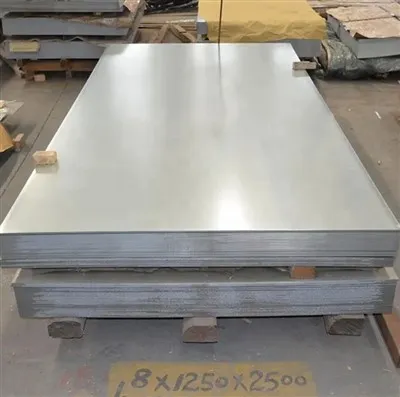
Proper stacking and support are essential for preventing damage to C purlins. When stacking them, make sure the stacks are stable and level. You can use wooden blocks or pallets to create a flat surface for the purlins to rest on. This helps distribute the weight evenly and reduces the risk of bending or warping.
It's also important to stack the purlins in a way that allows for easy access. You don't want to have to move a bunch of purlins around just to get to the ones you need. Try to organize the stacks by size and length to make it easier to find what you're looking for.


Protection from Corrosion
As I mentioned earlier, corrosion is one of the biggest threats to C purlins. To prevent corrosion, you can apply a protective coating to the purlins before storing them. This can be a galvanized coating, which provides a layer of zinc that helps protect the steel from rust. You can also use a rust inhibitor or a paint coating to provide additional protection.
In addition to applying a protective coating, you should also inspect the purlins regularly for signs of corrosion. If you notice any rust or other signs of damage, you should take steps to address the issue immediately. This may involve cleaning the affected area and applying a new coating of paint or rust inhibitor.
Handling and Transportation
Proper handling and transportation are also important for preventing damage to C purlins. When moving the purlins, make sure you use the right equipment and techniques. You can use a forklift or a crane to lift the purlins, but make sure the equipment is rated for the weight of the purlins.
When transporting the purlins, make sure they are secured tightly to prevent them from shifting or moving around. You can use straps or chains to secure the purlins to the truck or trailer. Just make sure the straps or chains are not too tight, as this can cause damage to the purlins.
Specific Storage Requirements for Different Types of C Purlins
Now, let's talk about the specific storage requirements for different types of C purlins.
150 C Purlin
The 150 C Purlin is a popular size of C purlin that is commonly used in construction projects. When storing 150 C purlins, you should follow the same general storage guidelines as for other types of C purlins. However, because of their size and weight, you may need to use additional support when stacking them.
You can use wooden blocks or pallets to create a flat surface for the 150 C purlins to rest on. You can also use additional support beams or braces to help distribute the weight evenly and prevent the purlins from bending or warping.
Slotted U Channel
The Slotted U Channel is another type of C purlin that is commonly used in construction projects. When storing slotted U channels, you should make sure they are stored in a way that prevents the slots from getting damaged. You can stack the slotted U channels on their sides to prevent the slots from being crushed.
You should also make sure the slotted U channels are stored in a dry, climate-controlled environment to prevent corrosion. If you need to store them outdoors, you should use a waterproof cover to protect them from the elements.
Galvanised C Section Channel
The Galvanised C Section Channel is a type of C purlin that has a galvanized coating to protect it from corrosion. When storing galvanised C section channels, you should make sure they are stored in a dry, climate-controlled environment to prevent the galvanized coating from getting damaged.
You should also make sure the galvanised C section channels are stored in a way that prevents them from coming into contact with other metals. This can cause galvanic corrosion, which can damage the galvanized coating and lead to rust.
Conclusion
In conclusion, proper storage is essential for maintaining the quality and lifespan of C purlins. By choosing the right location, stacking and supporting the purlins correctly, protecting them from corrosion, and handling and transporting them properly, you can ensure that your C purlins are in good condition when you need them for your construction projects.
If you have any questions about the storage requirements for C purlins or if you're interested in purchasing C purlins from us, please don't hesitate to contact us. We're here to help you find the right solutions for your construction needs.
References
- Steel Construction Manual, American Institute of Steel Construction
- Corrosion Prevention and Control Handbook, NACE International