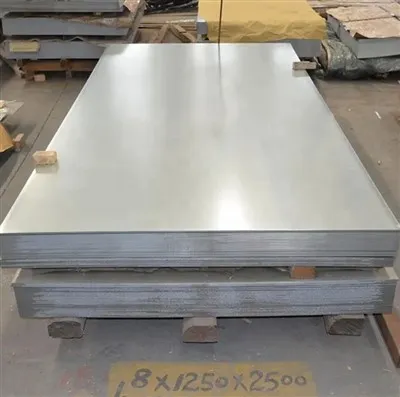
As a carbon steel coil supplier, I've witnessed firsthand the critical role that quality standards play in the industry. Carbon steel coils are used in a wide range of applications, from automotive manufacturing to construction, and ensuring that they meet specific quality benchmarks is essential for both the supplier and the end - user. In this blog, I'll delve into the key quality standards for carbon steel coils.
Chemical Composition
The chemical composition of carbon steel coils is a fundamental quality parameter. The primary elements in carbon steel are iron (Fe) and carbon (C), but other elements such as manganese (Mn), silicon (Si), sulfur (S), and phosphorus (P) also have a significant impact on the properties of the steel.
Carbon content is one of the most important factors. Higher carbon content generally increases the strength and hardness of the steel but reduces its ductility and weldability. For example, low - carbon steel, which typically contains less than 0.3% carbon, is known for its good formability and weldability, making it suitable for applications like Cr Sheet Coil used in the manufacture of automotive body panels. Medium - carbon steel, with a carbon content between 0.3% and 0.6%, offers a balance of strength and ductility and is often used in machinery parts. High - carbon steel, with more than 0.6% carbon, is very hard and strong but has limited formability and is commonly used in cutting tools.
Manganese is added to improve the strength and toughness of the steel. It also helps to reduce the brittleness caused by sulfur. Silicon is used as a deoxidizer during the steel - making process and can enhance the strength and hardness of the steel. Sulfur and phosphorus are usually considered impurities. High sulfur content can cause hot shortness, which makes the steel brittle at high temperatures. High phosphorus content can lead to cold shortness, making the steel brittle at low temperatures. Most quality standards specify maximum allowable limits for sulfur and phosphorus content.
Mechanical Properties
Mechanical properties are another crucial aspect of the quality of carbon steel coils. These properties include tensile strength, yield strength, elongation, and hardness.
Tensile strength is the maximum stress that a material can withstand before it breaks under tension. Yield strength is the stress at which a material begins to deform plastically. Elongation measures the ability of the steel to stretch before breaking. These properties are determined through tensile testing, which is a standard procedure in the steel industry. For example, in the construction of bridges and buildings, carbon steel coils with high tensile and yield strengths are required to ensure the structural integrity of the structures.
Hardness is a measure of the material's resistance to indentation or scratching. Different applications require different levels of hardness. For instance, Cr Coil Sheet used in the production of household appliances may need a relatively low hardness to ensure good formability during the manufacturing process, while carbon steel coils used in the production of gears may require high hardness to withstand wear and tear.

Surface Quality
The surface quality of carbon steel coils is of great importance, especially for applications where the appearance or corrosion resistance of the steel is critical. A smooth and defect - free surface is desired in most cases.
Common surface defects include scratches, pits, cracks, and scale. Scratches can reduce the aesthetic appeal of the steel and may also act as stress concentration points, potentially leading to premature failure. Pits and cracks can compromise the integrity of the steel and provide sites for corrosion to start. Scale is a layer of oxidized metal that forms on the surface of the steel during the manufacturing process. Excessive scale can affect the painting and coating processes and may also reduce the bond strength between the steel and subsequent surface treatments.
To ensure good surface quality, carbon steel coils are often subjected to surface inspection using techniques such as visual inspection, magnetic particle inspection, and ultrasonic inspection. In addition, various surface treatment methods, such as pickling, galvanizing, and painting, can be applied to improve the corrosion resistance and appearance of the steel.
Dimensional Accuracy
Dimensional accuracy is vital for the proper fit and function of carbon steel coils in different applications. The key dimensions of carbon steel coils include thickness, width, and coil diameter.
Thickness variations can affect the strength and performance of the steel. For example, in the production of pipes, uniform wall thickness is essential to ensure consistent pressure - bearing capacity. Width variations can cause problems during the forming and assembly processes. Coil diameter also needs to be within the specified range to ensure proper handling and processing in the manufacturing facilities.
Manufacturers use precision measuring tools, such as calipers, micrometers, and laser measuring devices, to control and verify the dimensional accuracy of carbon steel coils. Strict tolerances are set for each dimension to meet the requirements of different industries.
Coiling and Packaging
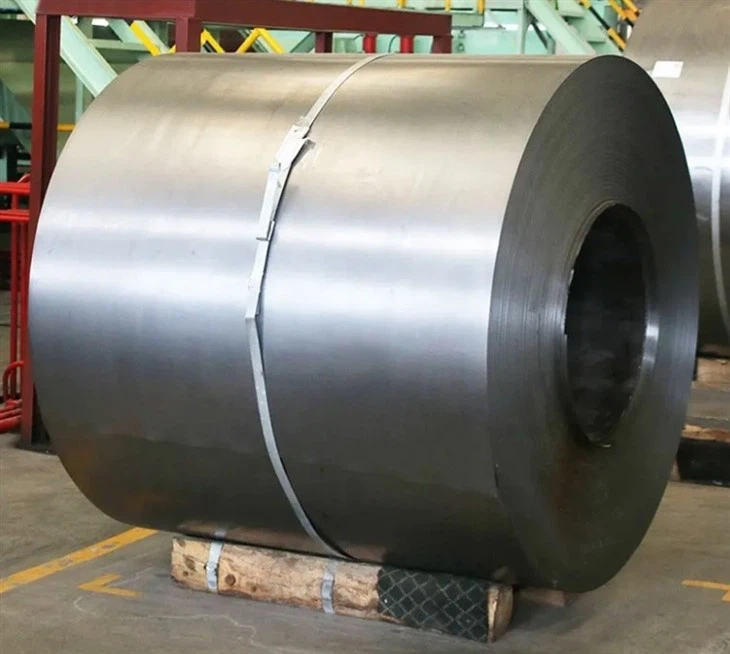
The coiling and packaging of carbon steel coils also contribute to their quality. Proper coiling ensures that the steel is wound evenly and tightly, which helps to prevent damage during transportation and storage.
During the coiling process, the tension and alignment of the steel strip need to be carefully controlled. Over - tensioning can cause internal stresses in the steel, while under - tensioning can lead to loose coils that are prone to deformation.
Packaging is important to protect the carbon steel coils from environmental factors such as moisture, dust, and mechanical damage. Coils are typically wrapped with protective materials, such as plastic film or paper, and may be placed in wooden or steel pallets for easy handling. In some cases, desiccants are added to the packaging to absorb moisture and prevent corrosion.
Adherence to International Standards
In the global market, adherence to international standards is crucial for carbon steel coil suppliers. Standards such as ASTM (American Society for Testing and Materials), ISO (International Organization for Standardization), and JIS (Japanese Industrial Standards) provide a common framework for quality control and ensure that the carbon steel coils meet the requirements of different customers around the world.
For example, ASTM A1011/A1011M is a standard specification for hot - rolled carbon, structural, high - strength low - alloy, and high - strength low - alloy with improved formability steel sheets and strips. This standard defines the chemical composition, mechanical properties, and dimensional tolerances for these types of steel products. By following these standards, suppliers can ensure that their products are consistent in quality and can be accepted by customers in different countries.
Custom - made Quality Standards
In addition to the general quality standards, some customers may have specific requirements for carbon steel coils based on their unique applications. For example, the automotive industry may require carbon steel coils with specific surface roughness and paint adhesion properties to meet the high - end finish requirements of cars. The aerospace industry may demand carbon steel coils with extremely high strength - to - weight ratios and strict dimensional tolerances.
As a carbon steel coil supplier, we are capable of working closely with customers to understand their specific needs and develop custom - made quality standards. This may involve adjusting the chemical composition, heat treatment process, or surface treatment methods to meet the exact requirements of the customers.
In conclusion, the quality standards for carbon steel coils cover a wide range of aspects, including chemical composition, mechanical properties, surface quality, dimensional accuracy, coiling and packaging, and adherence to international standards. As a reliable carbon steel coil supplier, we are committed to meeting and exceeding these quality standards to provide our customers with high - quality products. If you are in the market for carbon steel coils and have specific requirements, we invite you to contact us for a detailed discussion and to start the procurement process. Let's work together to find the best carbon steel coil solutions for your business.
References
- ASM Handbook Committee. (2004). ASM Handbook Volume 1: Properties and Selection: Irons, Steels, and High - Performance Alloys. ASM International.
- Metals Handbook Committee. (1990). Metals Handbook Desk Edition, 2nd Edition. ASM International.
- Various industry - specific publications and research papers on carbon steel manufacturing and quality control.