Hey there! As a supplier of equal angle bars, I've got a ton of knowledge about these versatile pieces of metal. In this blog, I'm gonna walk you through the mechanical properties of equal angle bars, so you can have a better understanding of what makes them so great for various applications.
What Are Equal Angle Bars?
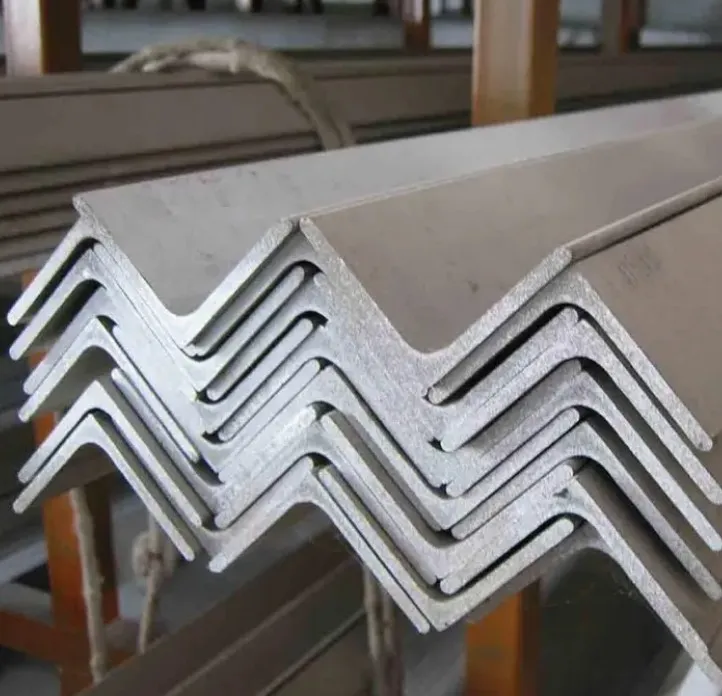
First things first, let's clarify what equal angle bars are. They're basically L - shaped metal bars where the two legs of the "L" are of equal length. These bars are super common in construction, manufacturing, and a whole bunch of other industries. You can find them in different materials like steel, aluminum, and even stainless steel.
Tensile Strength
One of the most important mechanical properties of equal angle bars is their tensile strength. Tensile strength is the maximum amount of tensile (pulling) stress that a material can withstand before it breaks. For equal angle bars, a high tensile strength is crucial, especially when they're used in structures that need to support heavy loads.
Steel equal angle bars, for example, usually have a high tensile strength. This means they can handle a lot of pulling force without snapping. If you're building a bridge or a large - scale industrial structure, you want angle bars with good tensile strength. It gives you the peace of mind that the structure will be stable and safe.
Let's say you're looking for a specific type of angle bar. You might be interested in Right Angle Bar. These bars are designed to fit right - angled corners and are often used in framework construction where high tensile strength is required.
Yield Strength
Yield strength is another key property. It's the stress at which a material begins to deform plastically. In simpler terms, when the stress on the angle bar reaches its yield strength, it starts to change shape permanently.

For equal angle bars, a well - defined yield strength is important. It helps engineers and designers know how much load the bar can take before it starts to bend or warp. If you're using angle bars in a precision - oriented project, like a machine frame, you need to pay close attention to the yield strength. You don't want the bars to start deforming under normal operating loads.
Angle Bar 2X2X1 4 is a popular choice in many projects. Its specific dimensions and mechanical properties, including yield strength, make it suitable for a variety of applications, from small - scale DIY projects to larger industrial setups.
Ductility
Ductility is the ability of a material to be stretched or deformed without breaking. Equal angle bars with good ductility can be bent, shaped, and formed into different configurations. This is really useful in manufacturing processes where the bars need to be customized to fit specific designs.
Aluminum equal angle bars are known for their relatively high ductility. They can be easily bent into different angles and curves, making them ideal for architectural applications where aesthetics play a role. You can use them to create decorative elements or custom - shaped frames.
Hardness
Hardness is a measure of a material's resistance to indentation, scratching, or wear. For equal angle bars, hardness is important, especially in applications where the bars are exposed to abrasive materials or heavy use.
Stainless steel equal angle bars have good hardness properties. They can resist corrosion and wear, making them a great choice for outdoor structures or environments where the bars might come into contact with chemicals or rough surfaces.
If you need an angle bar that can withstand harsh conditions, you might consider Perforated Angle Bar. These bars have holes punched in them, which can serve various purposes like reducing weight or allowing for the passage of fluids. And because they're often made of materials with good hardness, they can last a long time even in tough environments.
Impact Resistance
Impact resistance is how well a material can absorb energy when it's hit by an object. In applications where the angle bars might be subject to sudden impacts, like in a warehouse where forklifts are moving around, good impact resistance is essential.
Steel equal angle bars generally have good impact resistance. They can absorb the shock of an impact without cracking or breaking easily. This property makes them suitable for use in structures and equipment that need to withstand dynamic loads.
Fatigue Resistance
Fatigue resistance is related to how well a material can withstand repeated loading and unloading cycles. In many real - world applications, equal angle bars are subjected to cyclic loads. For example, in a vibrating machine or a structure that experiences wind - induced vibrations.
A high fatigue resistance means the angle bar can last a long time without developing cracks or failing due to repeated stress. Engineers need to consider fatigue resistance when designing structures that will be in service for a long period.
Applications Based on Mechanical Properties
The mechanical properties of equal angle bars determine their applications. For example, bars with high tensile and yield strength are great for load - bearing structures like buildings and bridges. Ductile bars are perfect for custom - made parts and decorative elements. Hard and impact - resistant bars are used in harsh environments.
If you're working on a DIY project, you might choose an aluminum angle bar because of its light weight and ease of handling. On the other hand, for a large - scale industrial project, steel angle bars with high mechanical properties are usually the go - to option.
Why Choose Our Equal Angle Bars?
As a supplier, we make sure that our equal angle bars meet the highest standards in terms of mechanical properties. We source our materials from reliable suppliers and perform strict quality control checks. Whether you need bars for a small home project or a large - scale industrial application, we've got you covered.
Our bars are available in a wide range of sizes, materials, and finishes. We can also provide customized solutions based on your specific requirements. If you're not sure which type of angle bar is right for your project, our team of experts is here to help.
Let's Talk
If you're interested in purchasing equal angle bars for your next project, I'd love to have a chat with you. We can discuss your specific needs, the mechanical properties you're looking for, and how our products can fit the bill. Just reach out, and we'll start the conversation. Whether it's a simple inquiry or a detailed project discussion, we're here to assist you.
References
- Materials Science and Engineering: An Introduction by William D. Callister Jr. and David G. Rethwisch
- Handbook of Structural Steelwork by Larry A. Kloiber