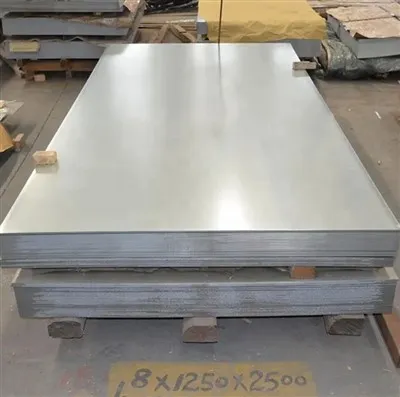
As a seasoned supplier of copper sheets, I often encounter inquiries about the electrical insulation properties of copper sheets. It's a topic that not only fascinates engineers and electricians but also has practical implications for a wide range of industries. In this blog post, I'll delve into the electrical insulation properties of copper sheets, exploring their conductivity, insulation challenges, and potential solutions.
Conductivity of Copper Sheets
Copper is renowned for its excellent electrical conductivity, making it one of the most widely used materials in electrical applications. The high conductivity of copper is due to its atomic structure, which allows electrons to move freely through the metal lattice. This property enables copper sheets to efficiently conduct electricity, minimizing energy losses and ensuring reliable electrical performance.
The conductivity of copper is typically measured in terms of its electrical resistivity, which is the reciprocal of conductivity. Pure copper has an extremely low resistivity of approximately 1.72 x 10^-8 ohm-meters at room temperature. This low resistivity means that copper offers very little resistance to the flow of electric current, making it an ideal choice for electrical wiring, circuit boards, and other conductive components.
Insulation Challenges with Copper Sheets
While copper is an excellent conductor of electricity, it also poses challenges when it comes to electrical insulation. Unlike insulating materials such as rubber, plastic, or ceramic, copper has a high affinity for conducting electricity. This means that copper sheets need to be properly insulated to prevent electrical shorts, leakage currents, and other safety hazards.
One of the main challenges in insulating copper sheets is finding a suitable insulation material that can withstand the high temperatures and mechanical stresses associated with electrical applications. Copper sheets are often used in high-power electrical systems, where they can generate significant amounts of heat. The insulation material must be able to maintain its integrity and insulating properties at elevated temperatures to prevent thermal breakdown and electrical failure.
Another challenge is ensuring proper adhesion between the insulation material and the copper sheet. The insulation material must adhere tightly to the copper surface to prevent moisture ingress, which can degrade the insulation performance and lead to corrosion of the copper. Additionally, the insulation material must be able to withstand mechanical vibrations and movements without delaminating or cracking.
Insulation Solutions for Copper Sheets
To address the insulation challenges associated with copper sheets, several insulation solutions are available. These solutions can be broadly categorized into two types: coating-based insulation and laminated insulation.
Coating-Based Insulation
Coating-based insulation involves applying a thin layer of insulating material directly onto the surface of the copper sheet. This type of insulation is relatively simple and cost-effective, making it suitable for a wide range of applications.
One common type of coating-based insulation is enamel coating. Enamel coatings are typically made of a mixture of organic resins and inorganic pigments, which are applied to the copper sheet using a dipping or spraying process. Enamel coatings provide good electrical insulation and can withstand moderate temperatures and mechanical stresses. However, they may not be suitable for high-temperature applications or environments with high humidity.
Another type of coating-based insulation is epoxy coating. Epoxy coatings are known for their excellent adhesion, chemical resistance, and electrical insulation properties. They can be applied to the copper sheet using a variety of methods, including brushing, spraying, or dipping. Epoxy coatings are often used in high-power electrical applications, where they can provide reliable insulation at elevated temperatures.
Laminated Insulation
Laminated insulation involves sandwiching the copper sheet between two layers of insulating material. This type of insulation provides superior electrical insulation and mechanical protection compared to coating-based insulation.
One common type of laminated insulation is paper-based insulation. Paper-based insulation is made of layers of paper impregnated with insulating resin, which are then laminated onto the copper sheet using heat and pressure. Paper-based insulation provides good electrical insulation and can withstand moderate temperatures and mechanical stresses. However, it may not be suitable for high-temperature applications or environments with high humidity.
Another type of laminated insulation is film-based insulation. Film-based insulation is made of thin layers of plastic film, which are laminated onto the copper sheet using an adhesive. Film-based insulation provides excellent electrical insulation and can withstand high temperatures and mechanical stresses. It is often used in high-power electrical applications, where it can provide reliable insulation in harsh environments.
Applications of Insulated Copper Sheets
Insulated copper sheets are used in a wide range of electrical applications, including:


- Electrical Wiring: Insulated copper wires are used in residential, commercial, and industrial buildings to transmit electrical power. The insulation on the copper wires prevents electrical shorts and ensures safe and reliable operation.
- Circuit Boards: Insulated copper sheets are used as the conductive layer in printed circuit boards (PCBs). The insulation on the copper sheets prevents electrical interference between different components on the PCB and ensures proper functioning of the electronic device.
- Transformers: Insulated copper sheets are used in the windings of transformers to convert electrical energy from one voltage level to another. The insulation on the copper sheets prevents electrical shorts and ensures efficient operation of the transformer.
- Motors: Insulated copper sheets are used in the windings of electric motors to generate a magnetic field and convert electrical energy into mechanical energy. The insulation on the copper sheets prevents electrical shorts and ensures reliable operation of the motor.
Conclusion
In conclusion, copper sheets are excellent conductors of electricity but require proper insulation to prevent electrical shorts, leakage currents, and other safety hazards. There are several insulation solutions available for copper sheets, including coating-based insulation and laminated insulation. The choice of insulation solution depends on the specific application requirements, such as temperature, mechanical stress, and environmental conditions.
As a [Your Position] at [Your Company], I'm committed to providing high-quality copper sheets and insulation solutions to meet the diverse needs of our customers. If you're interested in learning more about our products or have any questions about the electrical insulation properties of copper sheets, please don't hesitate to [Contact Method]. We look forward to working with you and helping you find the right solutions for your electrical applications.
References
- Groover, M. P. (2010). Fundamentals of Modern Manufacturing: Materials, Processes, and Systems. Wiley.
- Serway, R. A., & Jewett, J. W. (2013). Physics for Scientists and Engineers with Modern Physics. Brooks/Cole.
- Tipler, P. A., & Mosca, G. (2007). Physics for Scientists and Engineers. W. H. Freeman.