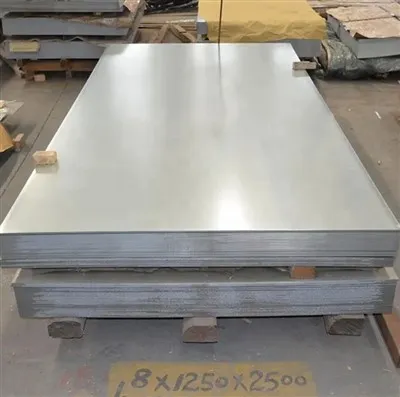
Hey there! As a carbon steel coil supplier, I've seen firsthand how heat treatment can totally transform carbon steel coils. In this blog, I'm gonna break down the effects of heat treatment on carbon steel coils, so you can understand why it's such a big deal in our industry.
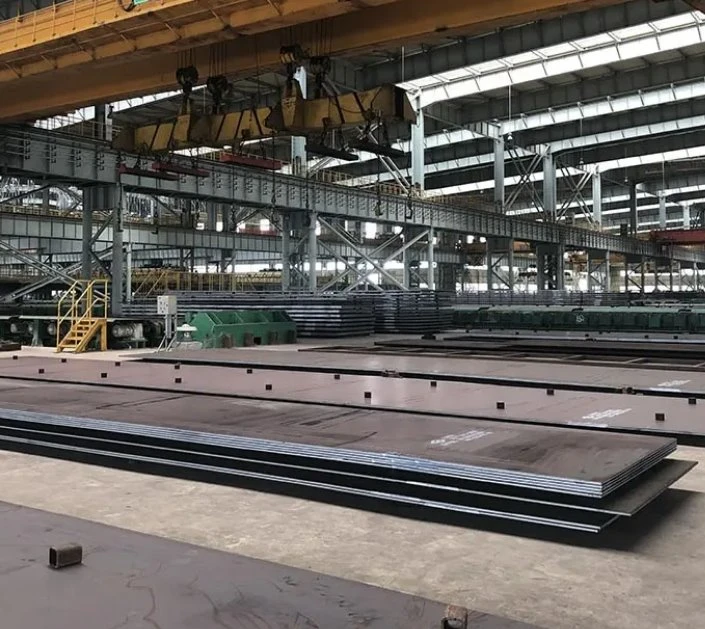
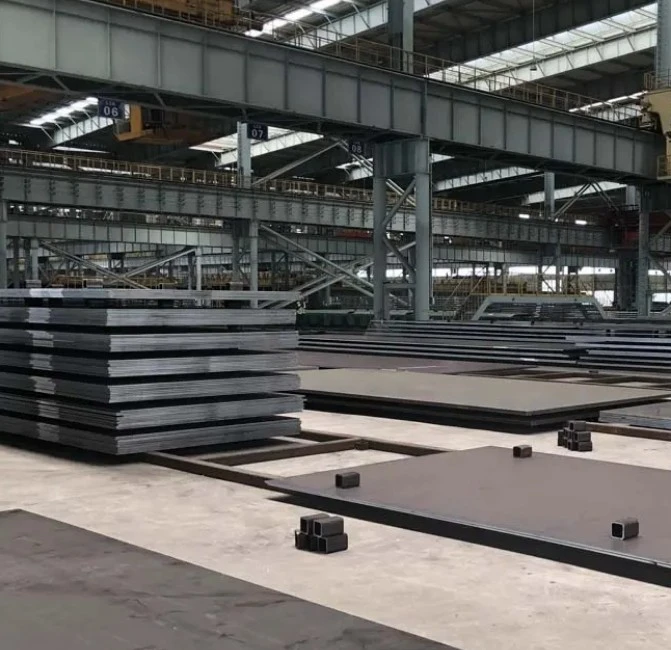
1. Understanding Carbon Steel Coils
First off, let's talk a bit about carbon steel coils. Carbon steel is basically steel that has carbon as its main alloying element. It's super common because it's strong, relatively inexpensive, and can be used in a wide range of applications. We supply different types of carbon steel coils, like Mill Sheet Ss400, Hr Slit Coil, and Cr Coil Sheet. These coils are used in construction, automotive manufacturing, and many other industries.
2. What is Heat Treatment?
Heat treatment is a process where we heat and cool carbon steel coils in a controlled way. It's not just about making the steel hot; it's about carefully controlling the temperature and the rate of cooling to achieve specific properties. There are several types of heat treatment processes, including annealing, quenching, tempering, and normalizing.
Annealing
Annealing is a heat treatment process where we heat the carbon steel coil to a specific temperature and then cool it slowly. This process helps to relieve internal stresses in the steel, make it more ductile, and improve its machinability. When we anneal a carbon steel coil, the grains in the steel structure become larger and more uniform. This reduces the hardness of the steel but increases its toughness. For example, if you're using a carbon steel coil for a part that needs to be bent or formed, annealing can make it easier to work with.
Quenching
Quenching is the opposite of annealing in some ways. We heat the carbon steel coil to a high temperature and then cool it very quickly, usually by immersing it in a quenching medium like water or oil. This rapid cooling creates a very hard and brittle structure in the steel. Quenching is often used when we need a carbon steel coil to be extremely hard, like in cutting tools or high-strength components. However, the brittleness can be a problem, so quenching is usually followed by tempering.
Tempering
Tempering is a process where we heat the quenched carbon steel coil to a lower temperature and then cool it at a controlled rate. This process reduces the brittleness of the steel while still maintaining a high level of hardness. Tempering helps to improve the toughness of the steel and make it more suitable for practical applications. For example, a quenched and tempered carbon steel coil can be used for springs or gears, where high strength and toughness are required.
Normalizing
Normalizing is similar to annealing, but the cooling rate is faster. We heat the carbon steel coil to a specific temperature and then let it cool in air. This process helps to refine the grain structure of the steel, making it stronger and more uniform. Normalizing is often used to improve the mechanical properties of carbon steel coils before further processing or use.
3. Effects of Heat Treatment on Carbon Steel Coils
Hardness
One of the most obvious effects of heat treatment on carbon steel coils is the change in hardness. As I mentioned earlier, quenching can make the steel very hard, while annealing can reduce its hardness. The hardness of a carbon steel coil is important because it affects its wear resistance and its ability to withstand forces. For example, a carbon steel coil with high hardness is better suited for applications where it will be in contact with abrasive materials, like in a mining equipment component.
Toughness
Toughness is the ability of the carbon steel coil to absorb energy without breaking. Heat treatment can have a big impact on toughness. Annealing and tempering can increase the toughness of the steel by reducing its brittleness. On the other hand, quenching alone can make the steel very brittle and less tough. In applications where the carbon steel coil will be subjected to impact or shock loads, toughness is a crucial property.
Ductility
Ductility is the ability of the carbon steel coil to be stretched or deformed without breaking. Annealing is a heat treatment process that can significantly improve the ductility of the steel. A more ductile carbon steel coil is easier to form and shape, which is important in industries like automotive manufacturing, where parts need to be bent and stamped into different shapes.
Grain Structure
Heat treatment also affects the grain structure of the carbon steel coil. As I mentioned earlier, annealing can make the grains larger and more uniform, while quenching can create a very fine-grained structure. The grain structure of the steel has a big impact on its mechanical properties. A fine-grained structure generally results in higher strength and better toughness, while a coarse-grained structure can make the steel more ductile but less strong.
4. How Heat Treatment Affects Different Types of Carbon Steel Coils
Mill Sheet Ss400
Mill Sheet Ss400 is a common type of carbon steel coil. Heat treatment can improve its mechanical properties, making it more suitable for different applications. For example, annealing can make the Mill Sheet Ss400 more ductile, which is useful if it's going to be used for structural components that need to be welded or formed. Quenching and tempering can increase its hardness and strength, making it suitable for applications where high wear resistance is required.
Hr Slit Coil
Hr Slit Coil is often used in the automotive and construction industries. Heat treatment can enhance its properties to meet the specific requirements of these industries. Normalizing can improve the uniformity of the Hr Slit Coil's structure, making it stronger and more reliable. Quenching and tempering can be used to increase its hardness and toughness, which is important for parts that need to withstand high loads.
Cr Coil Sheet
Cr Coil Sheet is known for its corrosion resistance and smooth surface finish. Heat treatment can further improve its mechanical properties. Annealing can relieve internal stresses in the Cr Coil Sheet, making it more stable and less likely to crack during processing. Quenching and tempering can increase its strength and hardness, making it suitable for applications where both corrosion resistance and high strength are needed.
5. Why Heat Treatment Matters for Our Customers
As a carbon steel coil supplier, we understand that our customers need products with specific properties. Heat treatment allows us to customize the carbon steel coils to meet those needs. Whether you need a coil that's hard and wear-resistant or one that's ductile and easy to form, we can use heat treatment to achieve the right balance of properties.
6. Contact Us for Your Carbon Steel Coil Needs
If you're in the market for carbon steel coils and want to learn more about how heat treatment can benefit your application, don't hesitate to reach out. We have a team of experts who can help you choose the right type of carbon steel coil and the appropriate heat treatment process. Whether you need Mill Sheet Ss400, Hr Slit Coil, or Cr Coil Sheet, we've got you covered. Let's start a conversation and find the perfect solution for your business.
References
- ASM Handbook Volume 4: Heat Treating. ASM International.
- Metals Handbook Desk Edition. ASM International.
- Steel: Heat Treatment and Processing Principles. George E. Totten, D. Scott MacKenzie.