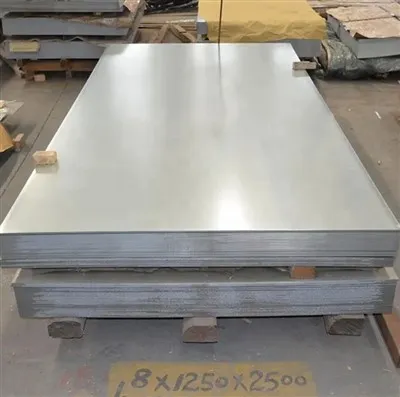
As a supplier of steel plates, I've witnessed firsthand the widespread use of steel plates in construction projects. Steel plates are known for their strength, durability, and versatility, making them a popular choice for various applications. However, like any building material, steel plates also have their disadvantages. In this blog post, I'll discuss some of the drawbacks of using steel plates in construction.
High Initial Cost
One of the most significant disadvantages of using steel plates in construction is the high initial cost. Steel is a relatively expensive material compared to other building materials such as concrete and wood. The cost of steel plates can vary depending on factors such as the type of steel, thickness, and size. For example, A588 Steel Plate is a high-strength, low-alloy steel plate that is commonly used in construction. It is more expensive than other types of steel plates due to its superior corrosion resistance and strength.
The high cost of steel plates can make construction projects more expensive, especially for large-scale projects. This can be a significant barrier for some developers and contractors, especially those working on tight budgets. Additionally, the cost of steel plates can fluctuate depending on market conditions, which can make it difficult to accurately estimate project costs.
Susceptibility to Corrosion
Another disadvantage of using steel plates in construction is their susceptibility to corrosion. Steel is an iron-based alloy, and when exposed to oxygen and moisture, it can rust. Rust can weaken the steel plate, reducing its strength and durability. This can be a significant problem in construction projects, especially those located in coastal areas or areas with high humidity.
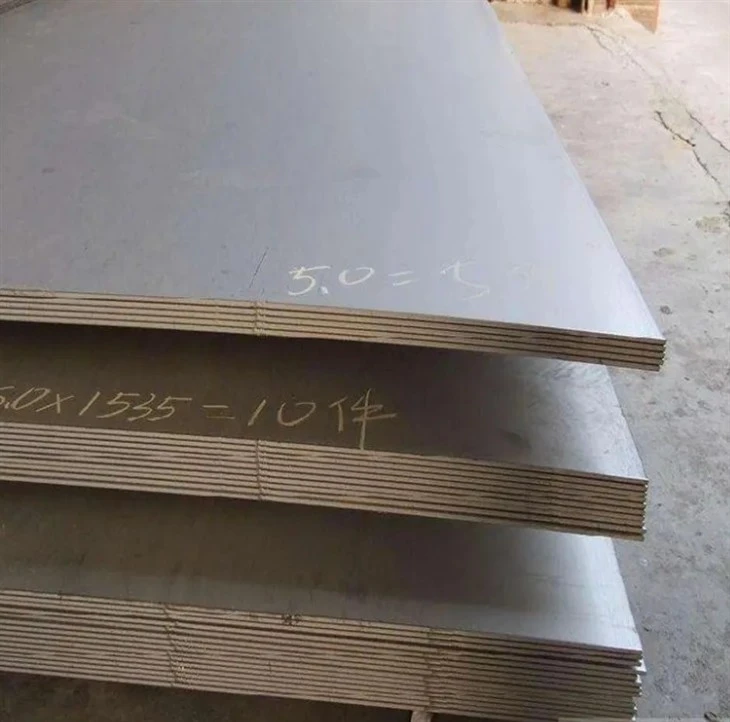
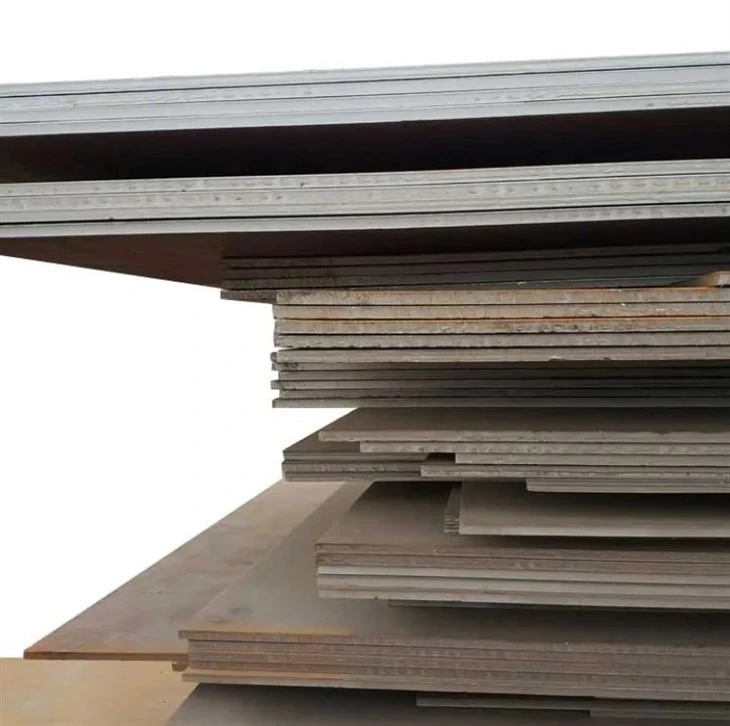
To prevent corrosion, steel plates are often coated with a protective layer such as paint or galvanization. However, these coatings can wear off over time, especially in harsh environments. Additionally, if the coating is damaged during installation or use, the steel plate can be exposed to oxygen and moisture, leading to corrosion.
High Maintenance Requirements
Steel plates require regular maintenance to ensure their longevity and performance. This includes inspecting the plates for signs of corrosion, damage, or wear and tear. If any issues are detected, they must be addressed promptly to prevent further damage.
Maintenance of steel plates can be time-consuming and expensive. For example, if a steel plate is found to be corroded, it may need to be repaired or replaced. This can involve removing the damaged plate, cleaning the area, and installing a new plate. Additionally, the new plate may need to be coated with a protective layer to prevent future corrosion.
Fire Hazard
Steel plates are not fireproof, and they can become extremely hot when exposed to fire. This can cause the steel to lose its strength and integrity, leading to structural failure. In a building fire, steel plates can also act as a conductor, spreading the fire throughout the structure.
To reduce the risk of fire, steel plates are often coated with a fire-resistant material. However, these coatings can add to the cost of the steel plates and may not provide complete protection. Additionally, if the coating is damaged during installation or use, the steel plate can be exposed to fire, increasing the risk of structural failure.
Environmental Impact
The production of steel plates has a significant environmental impact. Steel production is energy-intensive and generates a large amount of greenhouse gas emissions. Additionally, the mining and processing of iron ore, which is the primary raw material for steel production, can have a negative impact on the environment.
To reduce the environmental impact of steel production, many steel manufacturers are implementing sustainable practices such as using recycled materials and reducing energy consumption. However, these practices can add to the cost of steel production, which can make steel plates more expensive.
Limited Design Flexibility
Steel plates have a relatively low design flexibility compared to other building materials such as concrete and wood. Steel plates are typically available in standard sizes and shapes, which can limit the design options for construction projects. Additionally, steel plates are heavy and difficult to manipulate, which can make it challenging to create complex shapes and designs.
To overcome these limitations, steel plates can be cut, bent, and welded to create custom shapes and designs. However, this requires specialized equipment and skilled labor, which can add to the cost of the project.
Conclusion
In conclusion, while steel plates have many advantages in construction, they also have several disadvantages. These include high initial cost, susceptibility to corrosion, high maintenance requirements, fire hazard, environmental impact, and limited design flexibility. As a steel plate supplier, I understand the importance of weighing the pros and cons of using steel plates in construction projects. It is essential to consider the specific requirements of the project, including budget, location, and design, before deciding whether to use steel plates.
If you are considering using steel plates in your construction project, I encourage you to contact me to discuss your options. I can provide you with more information about the different types of steel plates available, including A588 Steel Plate, Astm A36 Carbon Steel Plate, and Ss400 Plate. I can also help you determine the best type of steel plate for your project based on your specific requirements.
I look forward to working with you to find the right steel plate solution for your construction project.
References
- "Steel Corrosion: Causes, Prevention, and Repair." The Constructor, 2021.
- "The Environmental Impact of Steel Production." World Steel Association, 2021.
- "Fire Resistance of Steel Structures." Structural Guide, 2021.