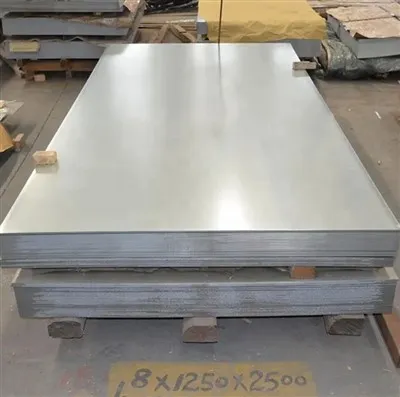
Hey there! I'm a supplier of copper sheets, and today I wanna chat about the common alloys used in copper sheets. Copper sheets are super versatile and find their way into a wide range of industries, from construction to electronics. And the alloys used in them play a huge role in determining their properties and applications.
First off, let's talk about brass. Brass is an alloy of copper and zinc, and it's one of the most widely used copper alloys. The proportion of zinc in brass can vary, which leads to different types of brass with different properties. For example, alpha brass, which has up to about 35% zinc, is highly ductile and can be easily cold - worked. This makes it great for applications like making decorative items, musical instruments, and plumbing fittings. You can see how its malleability allows it to be shaped into all sorts of intricate designs.


Beta brass, on the other hand, has a higher zinc content (around 35 - 45%). It's stronger and more suitable for applications that require higher strength, such as valves and gears. The addition of zinc to copper not only changes its mechanical properties but also its color. Brass usually has a warm, golden - like color, which is quite appealing for decorative purposes. If you're in the market for a decorative copper - based product, brass sheets might be just what you need. Check out our Copper Metal Plate for some great brass options.
Another important copper alloy is bronze. Bronze is mainly an alloy of copper and tin, although other elements like aluminum, silicon, or phosphorus can also be added. Tin - bronze is known for its excellent corrosion resistance, especially in marine environments. That's why it's commonly used in shipbuilding, for things like propellers, ship fittings, and marine hardware.
Aluminum - bronze is another type of bronze that has some unique properties. It has high strength, good wear resistance, and is also resistant to corrosion. This makes it suitable for applications in the aerospace industry, as well as in the manufacturing of heavy - duty machinery parts. The addition of aluminum to copper changes the crystal structure of the alloy, resulting in improved mechanical properties. For those looking for high - performance copper sheets, bronze alloys could be a great choice.
Then there's cupronickel, which is an alloy of copper and nickel. Cupronickel has excellent resistance to seawater corrosion and biofouling. It's widely used in the marine industry for things like heat exchangers, condensers, and piping systems in ships. The nickel content in cupronickel can range from about 2% to 30%. The higher the nickel content, the better the corrosion resistance. Cupronickel also has good thermal conductivity, which makes it suitable for heat - transfer applications. If you're involved in a project that requires copper sheets to be in contact with seawater, 3 4 Refrigeration Copper Tubing made of cupronickel could be a great option.
Let's not forget about phosphor - bronze. As the name suggests, it's an alloy of copper, tin, and a small amount of phosphorus. Phosphorus is added to improve the strength, hardness, and wear resistance of the alloy. Phosphor - bronze is often used in electrical contacts, springs, and bearings. Its good electrical conductivity combined with its mechanical properties makes it ideal for these applications. The addition of phosphorus also helps in the deoxidation process during the manufacturing of the alloy, which results in a cleaner and more homogeneous structure.
Now, pure copper also has its place in the market. Pure copper has excellent electrical and thermal conductivity. It's used in the electrical industry for things like wiring, bus bars, and electrical contacts. Our Pure Copper Plate is made of high - quality pure copper, which ensures maximum conductivity. However, pure copper is relatively soft compared to its alloys, so for applications that require higher strength, an alloy might be a better choice.
When it comes to choosing the right copper alloy for your project, there are a few factors to consider. First, think about the environment in which the copper sheet will be used. If it's going to be in a corrosive environment, like a marine or chemical - processing setting, an alloy with good corrosion resistance, such as bronze or cupronickel, would be a good option.
The mechanical requirements of your project are also crucial. If you need a sheet that can withstand high stress or wear, an alloy like aluminum - bronze or phosphor - bronze might be more suitable. And of course, the cost is always a factor. Some alloys can be more expensive than others, depending on the raw materials used and the manufacturing process.
As a copper sheet supplier, I'm here to help you make the right choice. Whether you're working on a small DIY project or a large - scale industrial application, I can provide you with the information and the right copper sheets you need. If you have any questions about the different alloys, their properties, or how they can be used in your project, don't hesitate to reach out. We can have a chat about your specific requirements and find the best solution for you.
In conclusion, the world of copper alloys is vast and full of possibilities. Each alloy has its own unique set of properties that make it suitable for different applications. By understanding the characteristics of these common alloys, you can make an informed decision when it comes to purchasing copper sheets. So, if you're in the market for copper sheets, whether it's for a decorative, industrial, or electrical project, give me a shout. Let's work together to get you the perfect copper sheets for your needs.
References:
- Metals Handbook, Volume 2: Properties and Selection: Nonferrous Alloys and Special - Purpose Materials.
- ASM International. "Copper and Copper Alloys."