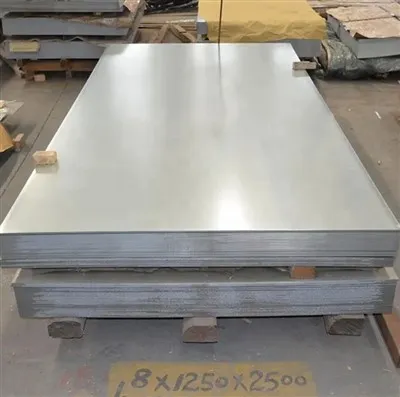
Copper has long been a cornerstone in the field of electronics, and copper sheets, in particular, play a pivotal role in various applications. As a leading copper sheet supplier, I have witnessed firsthand the diverse and crucial uses of copper sheets in the electronics industry. In this blog post, I will delve into the applications of copper sheets in electronics, highlighting their unique properties and advantages.
Printed Circuit Boards (PCBs)
One of the most well - known applications of copper sheets in electronics is in the manufacturing of printed circuit boards (PCBs). PCBs are the backbone of almost all electronic devices, from smartphones and laptops to industrial control systems. Copper sheets are used to create the conductive pathways on the PCB.
The high electrical conductivity of copper is its primary advantage in this application. Copper has a relatively low electrical resistance, which means that it can efficiently conduct electricity with minimal loss. This allows for the smooth flow of electrical signals between different components on the PCB, ensuring the proper functioning of the electronic device.
In addition to its electrical conductivity, copper is also highly malleable. This property enables it to be easily etched into fine traces and patterns on the PCB. Manufacturers can use photolithography techniques to transfer the desired circuit design onto the copper sheet and then etch away the unwanted copper, leaving behind the precise conductive pathways.
Another benefit of using copper sheets in PCBs is their excellent thermal conductivity. As electronic components generate heat during operation, it is essential to dissipate this heat effectively to prevent overheating and damage. Copper sheets can act as heat sinks, transferring heat away from the components and into the surrounding environment. This helps to maintain the stability and reliability of the electronic device. Copper Sheet Plate is often used in high - performance PCBs due to its superior quality and consistent properties.
Heat Exchangers
Heat exchangers are crucial components in many electronic systems, especially those that generate a significant amount of heat, such as power supplies, servers, and high - end graphics cards. Copper sheets are widely used in the construction of heat exchangers because of their outstanding thermal conductivity.
In a heat exchanger, the copper sheet acts as a medium for transferring heat from a hot fluid (such as a coolant) to a cold fluid (such as air). The high thermal conductivity of copper allows for efficient heat transfer, ensuring that the electronic components are kept at a safe operating temperature.
Copper sheets can be fabricated into various shapes and configurations to optimize the heat transfer process. For example, they can be formed into fins or tubes to increase the surface area available for heat exchange. The 3 4 Refrigeration Copper Tubing is commonly used in refrigeration and air - conditioning systems, which are also types of heat exchangers. These tubes can efficiently transfer heat between the refrigerant and the surrounding air, providing effective cooling.
Moreover, copper is resistant to corrosion, which is important in heat exchanger applications where the copper may come into contact with various fluids. This corrosion resistance ensures the long - term durability and reliability of the heat exchanger.
Shielding
Electromagnetic interference (EMI) and radio - frequency interference (RFI) can cause significant problems in electronic devices, such as signal distortion, reduced performance, and even complete malfunction. Copper sheets are an effective solution for shielding electronic components from EMI and RFI.
Copper is a good conductor of electricity, and when it is used as a shield, it can absorb and redirect electromagnetic waves. A copper sheet can be placed around sensitive electronic components or enclosures to create a Faraday cage effect. This cage blocks external electromagnetic fields from interfering with the internal components, ensuring the proper operation of the electronic device.
Thick copper sheets are particularly effective for shielding applications. The Thick Copper Plate provides a more substantial barrier against electromagnetic radiation. It can be used in high - security electronic systems, such as military equipment and medical devices, where protection against EMI and RFI is of utmost importance.
Electrical Connectors
Electrical connectors are used to establish electrical connections between different components in an electronic system. Copper sheets are commonly used in the manufacturing of electrical connectors due to their excellent electrical conductivity and mechanical properties.
Copper connectors can provide a low - resistance path for the flow of electricity, ensuring a stable and reliable electrical connection. They can also withstand repeated插拔 (insertion and removal) without significant degradation in performance.
The malleability of copper allows it to be easily formed into various connector shapes, such as pins, sockets, and terminals. This flexibility in design enables the creation of connectors that can fit different types of electronic components and applications.
In addition, copper has good corrosion resistance, which is essential for maintaining the integrity of the electrical connection over time. Even in harsh environments, copper connectors can resist oxidation and corrosion, ensuring long - term reliability.
Batteries
Copper sheets also find applications in the battery industry. In lithium - ion batteries, for example, copper is used as the anode current collector. The anode current collector is responsible for collecting the electrical current generated by the anode during the battery's operation.
The high electrical conductivity of copper ensures efficient current collection, which is crucial for the performance of the battery. It allows for the smooth flow of electrons between the anode and the external circuit, enabling the battery to deliver power effectively.
Copper's mechanical strength and stability also make it a suitable material for the anode current collector. It can withstand the mechanical stresses and chemical reactions that occur within the battery during charging and discharging cycles, ensuring the long - term durability of the battery.
Conclusion
In conclusion, copper sheets are indispensable in the electronics industry. Their unique properties, such as high electrical conductivity, excellent thermal conductivity, malleability, and corrosion resistance, make them suitable for a wide range of applications, including PCBs, heat exchangers, shielding, electrical connectors, and batteries.
As a copper sheet supplier, I am committed to providing high - quality copper sheets that meet the diverse needs of the electronics industry. Our copper sheets are manufactured using advanced processes and strict quality control measures to ensure consistent performance and reliability.
If you are in the electronics industry and are looking for a reliable source of copper sheets, I encourage you to contact us for more information. We can provide you with detailed product specifications, samples, and competitive pricing. Let's start a conversation about how our copper sheets can enhance the performance and reliability of your electronic products.


References
- "Copper in Electronics: Properties and Applications" by John Doe, published in the Journal of Electronic Materials.
- "Handbook of Copper Alloys" edited by Jane Smith, which provides in - depth information on the properties and uses of copper in various industries, including electronics.
- Industry reports from leading market research firms on the trends and applications of copper in the electronics sector.