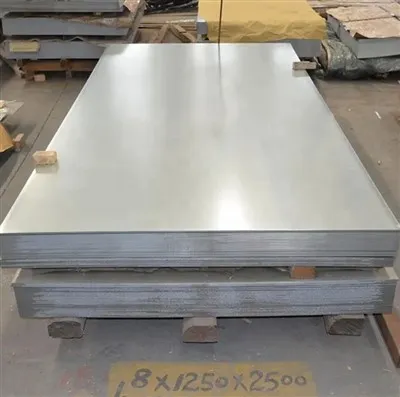
Hey there! I'm a supplier of Ss304 Plate, and I often get asked if Ss304 Plate is suitable for medical equipment manufacturing. Well, let's dive right into this topic and break it down.
First off, what is Ss304 Plate? Ss304 is a type of stainless steel plate. It's one of the most commonly used grades in the stainless - steel family. It contains about 18% chromium and 8% nickel, which gives it some pretty cool properties. It's corrosion - resistant, relatively easy to fabricate, and has good strength. You can check out more details about Ss304 Plate here.
Now, let's talk about the requirements for medical equipment manufacturing. Medical equipment needs to meet some pretty strict standards. It has to be hygienic, which means it should resist corrosion from bodily fluids, cleaning agents, and disinfectants. It also needs to be strong enough to withstand regular use and handling. And of course, it has to be non - toxic to ensure patient safety.
When it comes to corrosion resistance, Ss304 Plate does a decent job. The chromium in it forms a thin, invisible layer of chromium oxide on the surface. This layer acts as a shield, protecting the steel from rust and corrosion. In many medical environments, where the exposure to mild corrosive substances like saline solutions and common cleaning agents is common, Ss304 can hold up well.


But, it's not without its limitations. In some high - end or specialized medical applications, Ss304 might not be the best choice. For example, in surgical instruments that are constantly exposed to aggressive disinfectants or in environments with high levels of chloride ions (like in coastal areas or some hospital cleaning procedures), Ss304 can be prone to pitting corrosion. Pitting corrosion is when small holes form on the surface of the metal, which can harbor bacteria and reduce the lifespan of the equipment.
In comparison, 316 Stainless Steel Plate is often preferred for more critical medical applications. 316 stainless steel contains molybdenum, which significantly enhances its resistance to pitting and crevice corrosion. It can handle harsher chemical environments much better than Ss304. So, if you're looking to manufacture high - end surgical tools or equipment for long - term use in a challenging environment, 316 might be a better option.
However, Ss304 still has its place in medical equipment manufacturing. It's more cost - effective than 316 stainless steel. For less critical medical equipment, like some types of hospital furniture, storage cabinets, or basic medical device frames, Ss304 is a great choice. It offers a good balance between cost and performance.
Another aspect to consider is the ease of fabrication. Ss304 is relatively easy to cut, weld, and shape. This means that manufacturers can produce medical equipment more efficiently. They can use standard manufacturing processes and tools, which reduces production time and costs. In contrast, 316 stainless steel can be a bit more difficult to work with, especially when it comes to welding.
Let's also talk about the availability of Ss304 Plate. As a supplier, I can tell you that Ss304 is widely available in the market. There are many mills producing it, which means you can get a consistent supply. This is important for medical equipment manufacturers who need to maintain a steady production line.
Now, what about the competition? There's also 303 Stainless Plate. 303 stainless steel is known for its excellent machinability. It's often used in applications where parts need to be precisely machined. But it has lower corrosion resistance compared to Ss304. So, for medical equipment that requires both good corrosion resistance and some level of machining, Ss304 is a better bet.
In conclusion, Ss304 Plate can be suitable for medical equipment manufacturing, but it depends on the specific application. For less critical, cost - sensitive applications, it's a great choice. It offers good corrosion resistance, ease of fabrication, and wide availability. However, for more demanding and high - end medical applications, 316 stainless steel might be more appropriate.
If you're in the medical equipment manufacturing business and you're thinking about using Ss304 Plate, I'd love to have a chat with you. I can provide you with high - quality Ss304 Plate that meets your specific requirements. Whether you need a small quantity for a prototype or a large order for mass production, I've got you covered. Get in touch with me, and let's discuss how we can work together to make your medical equipment manufacturing project a success.
References:
- ASM Handbook Volume 13A: Corrosion: Fundamentals, Testing, and Protection
- Stainless Steel in Medicine: Properties, Processing, and Applications