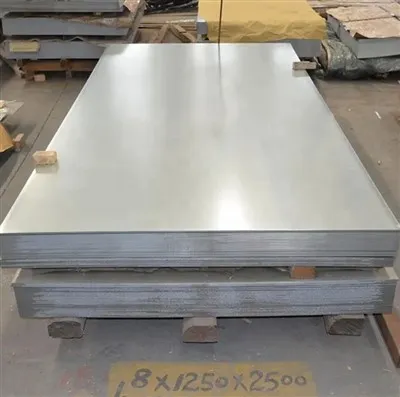
Hey there! As a supplier of Ss304 Plate, I often get asked, "Is Ss304 Plate safe for food contact?" Well, let's dig into this topic and find out.
First off, let's understand what Ss304 Plate is. Ss304 Plate, also known as 304 Stainless Steel Plate, is a type of austenitic stainless steel. It contains about 18% chromium and 8% nickel, which gives it excellent corrosion resistance. This is super important when it comes to food contact because you don't want any rust or corrosion leaching into your food.
One of the main reasons Ss304 Plate is considered safe for food contact is its chemical stability. The chromium in the steel forms a thin, passive oxide layer on the surface. This layer acts as a barrier, preventing the metal from reacting with the food and releasing harmful substances. It's like a protective shield for your food!
Another factor is its non - reactivity. Ss304 Plate doesn't react with most common food acids, alkalis, and salts. Whether you're storing acidic fruits, salty pickles, or alkaline baking ingredients, Ss304 Plate can handle it without leaching any unwanted chemicals. This makes it a reliable choice for food storage containers, kitchen utensils, and even food processing equipment.
Now, let's talk about hygiene. Ss304 Plate is easy to clean and sanitize. Its smooth surface doesn't have pores where bacteria and other contaminants can hide. You can simply wash it with soap and water, or use a mild disinfectant, and it'll be good as new. This is crucial in food applications where maintaining a high level of hygiene is essential to prevent foodborne illnesses.
But what about the nickel content? Nickel is a common concern when it comes to stainless steel and food contact. However, in Ss304 Plate, the nickel is tightly bound within the steel matrix. Under normal food contact conditions, the amount of nickel that can leach out is extremely low and well within the safety limits set by regulatory authorities. For example, the European Union has strict regulations on the migration of metals from food contact materials, and Ss304 Plate meets these requirements.
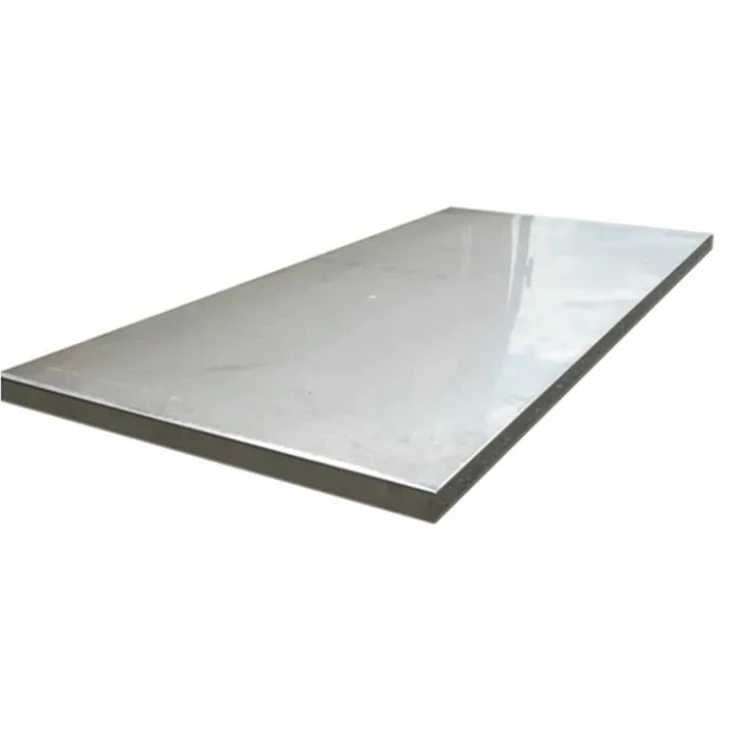
There's also a variant of Ss304 Plate called 304L Stainless Steel Plate. The "L" stands for low carbon. This type of stainless steel has a lower carbon content, which makes it even more resistant to sensitization and corrosion in certain environments. It's also safe for food contact and is often used in more demanding food processing applications.
When it comes to manufacturing, Ss304 Plate is produced to high - quality standards. Reputable manufacturers follow strict quality control measures to ensure that the steel meets all the necessary safety and performance requirements. This includes testing for chemical composition, mechanical properties, and surface finish.
In the food industry, Ss304 Plate is widely used. You can find it in commercial kitchens, restaurants, and food processing plants. It's used to make everything from food storage tanks and conveyor belts to cooking pans and cutlery. Its durability and safety make it a favorite among chefs, food manufacturers, and home cooks alike.

However, it's important to note that while Ss304 Plate is generally safe for food contact, proper care and maintenance are still required. Avoid using abrasive cleaners or scouring pads that can scratch the surface of the steel. Scratches can damage the passive oxide layer and increase the risk of corrosion. Also, make sure to follow the manufacturer's instructions for cleaning and usage.
So, to sum it up, Ss304 Plate is indeed safe for food contact. Its chemical stability, non - reactivity, hygiene properties, and compliance with safety regulations make it a reliable choice for a wide range of food applications. Whether you're a small home kitchen or a large - scale food processing facility, Ss304 Plate can be a great option for your food - related needs.
If you're in the market for high - quality Ss304 Plate for your food contact applications, don't hesitate to reach out. We have a wide range of Ss304 Plate products available, and our team is always ready to help you find the right solution for your specific requirements. Let's start a conversation and see how we can work together to meet your needs.
References:
- European Union regulations on food contact materials
- Industry standards for stainless steel production