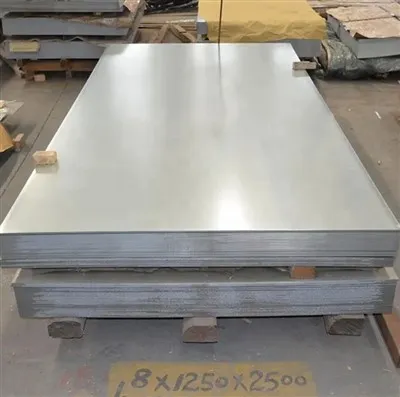
As a seasoned copper sheet supplier, I've witnessed firsthand the challenges our clients face in protecting their copper sheets from physical damage. Copper, renowned for its excellent conductivity, malleability, and corrosion - resistance, is a valuable material used in various industries, including construction, electronics, and art. Safeguarding copper sheets from scratches, dents, and other forms of physical harm is essential to maintain their quality and ensure they meet the high - standards of our customers. In this blog post, I'll share some practical strategies and best practices on how to protect copper sheets from physical damage.
Understanding the Risks
Before delving into protection methods, it's crucial to understand the potential sources of physical damage to copper sheets. Transportation can be a significant risk factor. During shipping, copper sheets may be jostled, stacked incorrectly, or come into contact with rough surfaces, leading to scratches and dents. Handling is another common culprit. Improper lifting, dragging, or storing can subject the sheets to unnecessary stress, resulting in deformation or breakage. Additionally, environmental factors such as dust, debris, and abrasive chemicals in the storage area can also cause damage over time.
Packaging Solutions
One of the most effective ways to protect copper sheets during transportation is through proper packaging. We recommend using sturdy packaging materials that can cushion the sheets and prevent impact. Corrugated cardboard is an excellent choice as it provides a layer of protection against scratches and minor impacts. Wrapping the copper sheets in bubble wrap or foam padding can further enhance the protection.
For larger or heavier copper sheets, wooden crates can be used. These crates offer more substantial protection and can be customized to fit the size and shape of the sheets. When using wooden crates, it's important to line the inside with a soft material like felt or cardboard to prevent direct contact between the copper and the wood, which could potentially cause scratches.
Storage Precautions
The way you store copper sheets can significantly impact their physical integrity. First and foremost, choose a clean, dry storage area. Moisture can lead to corrosion, which weakens the copper and makes it more susceptible to damage. Ideal storage temperatures range between 10°C and 30°C (50°F - 86°F), and humidity should be kept below 60%.
When stacking copper sheets, use spacers between each layer to prevent scratching. The spacers can be made of materials such as plastic, rubber, or cardboard. Additionally, ensure that the stacks are stable and not over - piled, as excessive weight on the bottom sheets can cause deformation.
Handling Guidelines
Proper handling is key to preventing physical damage to copper sheets. When lifting the sheets, use appropriate lifting equipment such as forklifts or cranes with soft - padded forks or slings. Avoid dragging the sheets across rough surfaces, as this can cause scratches. Instead, use a smooth - surfaced dolly or pallet to move them.
Workers should wear gloves to prevent fingerprints and scratches from their hands. Sharp objects, such as tools or jewelry, should be kept away from the copper sheets during handling to avoid accidental gouging.
Protective Coatings
Applying a protective coating is an effective way to shield copper sheets from physical damage and environmental factors. There are several types of coatings available, including clear lacquers, waxes, and polymer coatings.
Clear lacquers can provide a thin, transparent layer of protection that enhances the appearance of the copper while preventing scratches and tarnishing. Waxes, on the other hand, offer a more temporary form of protection and can be easily reapplied. Polymer coatings are more durable and are often used in industrial applications where long - term protection is required.
Maintenance and Inspection
Regular maintenance and inspection of copper sheets are essential to detect and address physical damage early. Inspect the sheets for signs of scratches, dents, or corrosion on a regular basis. Minor scratches can sometimes be buffed out using a fine - grit sandpaper and a polishing compound.
For more severe damage, it may be necessary to replace the affected parts or apply a repair process. However, prevention is always better than cure, so taking proactive steps to protect the sheets is crucial.


Educational Initiatives
As a copper sheet supplier, we can play an important role in educating our customers about how to protect their copper products. We can provide detailed instructions on packaging, storage, handling, and maintenance in the product documentation. Conducting training sessions or webinars for our clients can also help them understand the best practices for copper sheet protection.
In Conclusion
Protecting copper sheets from physical damage requires a comprehensive approach that includes proper packaging, storage, handling, and maintenance. By implementing these strategies, our customers can ensure that their copper sheets remain in excellent condition, whether they are used for construction, electronics, or other applications.
If you are in the market for high - quality copper sheets, we offer a wide range of products, including Copper Sheet Plate, Pure Copper Plate, and 3 4 Refrigeration Copper Tubing. We are always ready to assist you in finding the right copper products for your needs and providing guidance on how to protect them. Contact us today to discuss your procurement requirements, and let's work together to ensure your projects are successful.
References
- "Copper Handbook: Properties, Applications, and Data" by Copper Development Association.
- Industry standards and guidelines on copper sheet handling and storage.