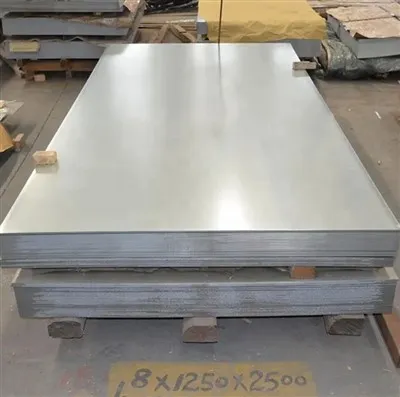
Carbon steel coils are widely used in various industries due to their excellent mechanical properties and cost - effectiveness. However, in many applications, they need to withstand significant impact forces. As a carbon steel coil supplier, I understand the importance of improving the impact resistance of these coils to meet the diverse needs of our customers. In this blog, I will share some effective ways to enhance the impact resistance of carbon steel coils.
1. Material Selection
The first step in improving the impact resistance of carbon steel coils is to choose the right material. Different grades of carbon steel have different chemical compositions and mechanical properties. For example, low - carbon steels generally have better ductility but lower strength, while high - carbon steels have higher strength but lower ductility. A medium - carbon steel with a carbon content of around 0.3% - 0.6% often strikes a good balance between strength and ductility, which is beneficial for impact resistance.
In addition to carbon content, the presence of other alloying elements can also significantly affect the impact resistance. Manganese is a common alloying element that can improve the hardenability and toughness of steel. Nickel can enhance the ductility and toughness of steel, especially at low temperatures. Chromium can increase the corrosion resistance and strength of steel, which indirectly contributes to better impact performance. When selecting the material, we need to consider the specific application requirements and choose the appropriate grade of carbon steel with the right combination of alloying elements. For instance, for applications in cold environments, a steel with a higher nickel content might be more suitable. Our company offers a wide range of carbon steel coils, including Hr Pickled Sheet, Hr Cr Coils, and Hr Slit Coil, each with different chemical compositions to meet various needs.
2. Heat Treatment
Heat treatment is a crucial process for improving the impact resistance of carbon steel coils. There are several heat treatment methods that can be employed, such as normalizing, quenching, and tempering.
Normalizing is a process of heating the steel to a suitable temperature above the critical point and then cooling it in air. This process refines the grain structure of the steel, which can improve its strength and toughness. By reducing the grain size, the steel becomes more resistant to crack initiation and propagation under impact loading.
Quenching is a rapid cooling process that involves heating the steel to a high temperature and then quickly cooling it in a quenching medium, such as water or oil. Quenching can significantly increase the hardness and strength of the steel. However, it also makes the steel more brittle. Therefore, quenching is usually followed by tempering.
Tempering is a process of reheating the quenched steel to a lower temperature and then cooling it slowly. Tempering relieves the internal stresses generated during quenching and improves the ductility and toughness of the steel. By carefully controlling the tempering temperature and time, we can achieve the desired combination of strength and toughness for the carbon steel coil. For example, a higher tempering temperature will result in lower strength but higher ductility, while a lower tempering temperature will maintain a higher strength level with relatively lower ductility.
3. Manufacturing Process Optimization
The manufacturing process of carbon steel coils also has a significant impact on their impact resistance. During the rolling process, the rolling parameters, such as rolling temperature, rolling reduction, and rolling speed, need to be carefully controlled.
A proper rolling temperature is essential for achieving a good grain structure. If the rolling temperature is too high, the grains will grow larger, which can reduce the impact resistance. On the other hand, if the rolling temperature is too low, the steel may become too hard and brittle, and cracks may occur during rolling. By maintaining an appropriate rolling temperature, we can ensure a fine - grained structure in the carbon steel coil, which is beneficial for impact resistance.
The rolling reduction, which is the ratio of the thickness reduction during rolling, also affects the mechanical properties of the steel. A larger rolling reduction can refine the grain structure and improve the strength and toughness of the steel. However, excessive rolling reduction may lead to internal defects and residual stresses in the coil. Therefore, we need to find an optimal rolling reduction to balance the improvement of mechanical properties and the prevention of defects.
In addition, the surface quality of the carbon steel coil is also important for impact resistance. A smooth and defect - free surface can reduce the stress concentration under impact loading, which in turn improves the impact performance. During the manufacturing process, we need to ensure good surface finish and control the surface defects, such as scratches, pits, and cracks.
4. Quality Control
Effective quality control is necessary to ensure the impact resistance of carbon steel coils. We need to conduct various tests on the coils, including mechanical property tests and non - destructive tests.

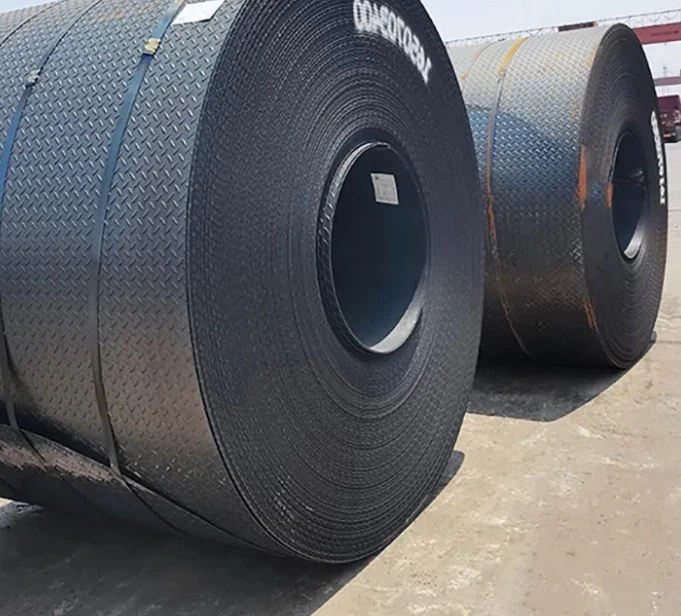
Mechanical property tests, such as tensile tests, hardness tests, and impact tests, can provide important information about the strength, ductility, and toughness of the steel. The Charpy impact test is a commonly used method for evaluating the impact resistance of steel. In this test, a standardized specimen is subjected to a sudden impact load, and the energy absorbed during fracture is measured. By conducting multiple impact tests on different specimens from the same coil, we can ensure the consistency of the impact resistance.
Non - destructive tests, such as ultrasonic testing and magnetic particle testing, can be used to detect internal and surface defects in the carbon steel coil. Defects, such as cracks and inclusions, can significantly reduce the impact resistance of the steel. By detecting and eliminating these defects at an early stage, we can improve the overall quality and impact performance of the coil.
5. Application - Specific Design
Finally, considering the specific application of the carbon steel coil is crucial for improving its impact resistance. Different applications have different impact loading conditions, such as the magnitude of the impact force, the frequency of impact, and the direction of impact.
For applications where the coil is subjected to high - frequency impact loading, we may need to design the coil with a more flexible structure or use a damping material to absorb the impact energy. For applications where the impact force is mainly in one direction, we can optimize the orientation of the grain structure in the coil to better withstand the impact. By understanding the specific application requirements and designing the carbon steel coil accordingly, we can significantly improve its impact resistance.
In conclusion, improving the impact resistance of carbon steel coils requires a comprehensive approach, including material selection, heat treatment, manufacturing process optimization, quality control, and application - specific design. As a carbon steel coil supplier, we are committed to providing high - quality coils with excellent impact resistance. If you are interested in our products or have any questions about improving the impact resistance of carbon steel coils, please feel free to contact us for a procurement negotiation. We will work closely with you to meet your specific requirements.
References
- ASM Handbook Committee. (2017). ASM Handbook Volume 4: Heat Treating. ASM International.
- Bhadeshia, H. K. D. H., & Honeycombe, R. W. K. (2016). Steels: Microstructure and Properties. Elsevier.
- Dieter, G. E. (1986). Mechanical Metallurgy. McGraw - Hill.