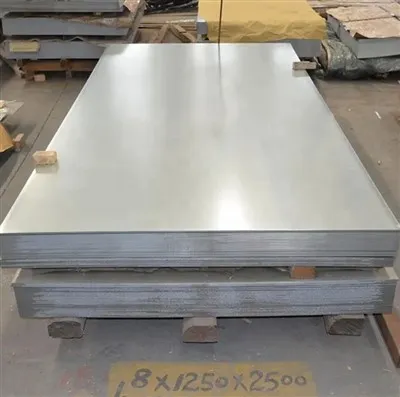
Carbon steel coils are widely used in various industries due to their versatility and cost - effectiveness. As a carbon steel coil supplier, I understand the importance of the hardness of carbon steel coils for our customers. Hardness is a crucial property that affects the performance and durability of the final products made from these coils. In this blog, I will share some effective ways to improve the hardness of carbon steel coils.
Understanding the Basics of Carbon Steel Coil Hardness
Before diving into the methods of improving hardness, it's essential to understand what hardness means in the context of carbon steel coils. Hardness refers to the material's resistance to indentation, scratching, or deformation. In carbon steel, the hardness is mainly determined by its carbon content, microstructure, and heat treatment processes.
Carbon content plays a significant role. Generally, the higher the carbon content in the steel, the greater the potential for achieving higher hardness. However, excessive carbon can also lead to brittleness, which may not be desirable in all applications. The microstructure of carbon steel, including the presence of ferrite, pearlite, bainite, and martensite, also affects hardness. For example, martensite is a very hard and brittle phase that can be formed under specific heat - treatment conditions.
Adjusting the Chemical Composition
One of the fundamental ways to improve the hardness of carbon steel coils is by adjusting their chemical composition. As mentioned earlier, increasing the carbon content within a reasonable range can enhance hardness. However, this needs to be balanced with other factors such as ductility and weldability.
In addition to carbon, alloying elements can also be added to the steel. Elements like manganese, chromium, nickel, and molybdenum can have a profound impact on the hardness and other properties of carbon steel. Manganese, for instance, can increase hardenability, which means the steel can form harder microstructures during heat treatment. Chromium can improve corrosion resistance and also contribute to hardness by forming carbide particles in the steel matrix. You can learn more about different types of carbon steel coils such as Hr Sheet Coil, which may have specific chemical compositions tailored for different applications.
Heat Treatment Processes
Heat treatment is perhaps the most common and effective method for improving the hardness of carbon steel coils. There are several heat - treatment processes available, each with its own advantages and applications.
Quenching
Quenching is a rapid cooling process that involves heating the carbon steel coil to a specific temperature (usually above the critical transformation temperature) and then rapidly cooling it in a quenching medium such as water, oil, or polymer solutions. During quenching, the austenite in the steel transforms into martensite, a very hard and brittle phase.


The choice of quenching medium is crucial. Water is a very fast - cooling medium, which can result in high hardness but also a high risk of cracking due to the rapid volume changes during the transformation. Oil is a slower - cooling medium, which reduces the risk of cracking but may not achieve as high a hardness as water quenching. Polymer solutions offer a balance between the two, with adjustable cooling rates.
Tempering
After quenching, the carbon steel coil is usually very hard but also extremely brittle. Tempering is a subsequent heat - treatment process that involves heating the quenched steel to a lower temperature (below the critical transformation temperature) and holding it for a certain period of time. Tempering helps to relieve internal stresses in the steel and reduce brittleness while maintaining a relatively high hardness.
The tempering temperature and time are carefully controlled to achieve the desired combination of hardness, toughness, and ductility. For example, low - temperature tempering (around 150 - 250°C) can be used to reduce brittleness while maintaining high hardness, which is suitable for applications where wear resistance is critical. High - temperature tempering (around 500 - 650°C) results in lower hardness but higher toughness and ductility.
Annealing and Normalizing
Annealing is a heat - treatment process that involves heating the steel to a specific temperature, holding it for a period, and then slowly cooling it. This process is used to soften the steel, relieve internal stresses, and refine the microstructure. While annealing is not typically used to directly increase hardness, it can be a pre - treatment step before other heat - treatment processes.
Normalizing is similar to annealing but with a faster cooling rate. It is used to produce a more uniform microstructure and improve the mechanical properties of the steel. Normalized carbon steel coils may have a more consistent hardness distribution compared to non - normalized ones.
Cold Working
Cold working is another method to increase the hardness of carbon steel coils. Cold working involves deforming the steel at room temperature, such as through rolling, drawing, or forging. When the steel is cold - worked, dislocations are introduced into the crystal structure. These dislocations interact with each other and impede the movement of other dislocations, resulting in an increase in hardness and strength.
However, cold working also has some limitations. As the degree of cold working increases, the steel becomes more brittle, and its ductility decreases. Therefore, cold working is often followed by a heat - treatment process such as annealing to restore some of the ductility while maintaining a certain level of hardness.
Surface Treatment
Surface treatment can be an effective way to improve the hardness of the outer layer of carbon steel coils without significantly affecting the properties of the core.
Case Hardening
Case hardening is a process where the surface of the steel is enriched with carbon or other elements to increase its hardness. There are two main types of case - hardening processes: carburizing and nitriding.
Carburizing involves heating the carbon steel coil in a carbon - rich environment, such as a gas or liquid containing carbon. Carbon atoms diffuse into the surface of the steel, increasing the carbon content in the outer layer. After carburizing, the steel is quenched and tempered to form a hard surface layer.
Nitriding, on the other hand, involves introducing nitrogen into the surface of the steel. Nitriding can be carried out at lower temperatures compared to carburizing, which reduces the risk of distortion. The nitride layer formed on the surface is very hard and wear - resistant.
Coating
Applying a hard coating to the surface of the carbon steel coil can also improve its hardness and wear resistance. Coatings such as titanium nitride (TiN), chromium nitride (CrN), and diamond - like carbon (DLC) can be deposited on the steel surface using physical vapor deposition (PVD) or chemical vapor deposition (CVD) techniques. These coatings have high hardness and excellent wear - resistant properties, which can extend the service life of the carbon steel coils in applications where wear is a major concern. You can explore different types of carbon steel coils like Cr Coil Sheet and Cr Sheet Coil which may already have some surface - treatment options available.
Quality Control and Testing
Throughout the process of improving the hardness of carbon steel coils, quality control and testing are essential. Non - destructive testing methods such as ultrasonic testing and magnetic particle testing can be used to detect internal defects in the coils. Destructive testing methods, such as hardness testing using a Rockwell or Brinell hardness tester, can accurately measure the hardness of the steel.
By conducting regular quality control and testing, we can ensure that the carbon steel coils meet the required hardness specifications and other quality standards. This not only guarantees the performance of the coils but also builds trust with our customers.
Conclusion
Improving the hardness of carbon steel coils is a complex but achievable goal. By adjusting the chemical composition, using appropriate heat - treatment processes, applying cold working and surface - treatment techniques, and implementing strict quality control and testing, we can produce carbon steel coils with the desired hardness and other properties.
As a carbon steel coil supplier, we are committed to providing high - quality products that meet the diverse needs of our customers. Whether you need carbon steel coils for construction, automotive, or manufacturing applications, we have the expertise and resources to deliver coils with the right hardness and performance. If you are interested in purchasing our carbon steel coils or have any questions about improving their hardness, please feel free to contact us for further discussion and negotiation.
References
- ASM Handbook Volume 4: Heat Treating. ASM International.
- Metals Handbook Desk Edition, Third Edition. ASM International.
- "Fundamentals of Materials Science and Engineering: An Integrated Approach" by William D. Callister, Jr. and David G. Rethwisch.