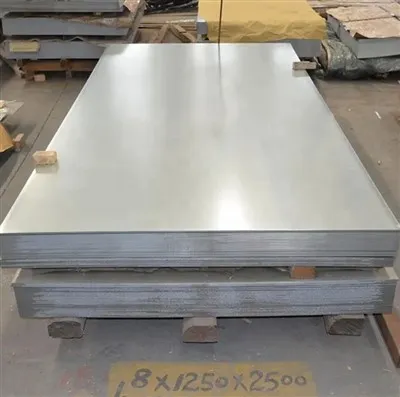
Hey there! As a supplier of Ipe S235, I know how crucial it is to improve the corrosion resistance of this material. Corrosion can not only damage the appearance of Ipe S235 but also reduce its structural integrity, which is a big no - no for any project. So, let's dive into some effective ways to boost its corrosion resistance.
1. Surface Coating
One of the most common and effective methods is applying a surface coating. There are several types of coatings that can work wonders for Ipe S235.
Paint Coatings
Paint is a cost - effective option. It forms a physical barrier between the steel and the corrosive environment. Epoxy paints, for example, are known for their excellent adhesion and chemical resistance. They can protect the Ipe S235 from moisture, oxygen, and other corrosive agents. Before applying the paint, it's essential to clean the surface thoroughly. Any rust, dirt, or grease can prevent the paint from adhering properly. You can use sandblasting or chemical cleaning methods to get a clean surface. Once the surface is clean, apply the paint in multiple thin layers for better coverage. You can find more information about different types of steel products like Profil Upn 100 which might also benefit from similar coating techniques.
Galvanizing
Galvanizing is another popular method. It involves coating the Ipe S235 with a layer of zinc. Zinc acts as a sacrificial anode, which means it corrodes before the steel does. There are two main types of galvanizing: hot - dip galvanizing and electro - galvanizing. Hot - dip galvanizing is a more durable option as it creates a thicker zinc layer. The steel is dipped into a bath of molten zinc at high temperatures. This process forms a metallurgical bond between the zinc and the steel, providing long - term protection. Electro - galvanizing, on the other hand, uses an electric current to deposit a thin layer of zinc onto the steel surface. It's a quicker and less expensive process but may not be as durable as hot - dip galvanizing.
2. Alloying
Alloying is a process of adding other elements to the Ipe S235 to enhance its corrosion resistance. Some common alloying elements include chromium, nickel, and molybdenum.
Chromium
Chromium is well - known for its ability to form a passive oxide layer on the steel surface. This layer acts as a barrier against corrosion. When added to Ipe S235, even in small amounts, chromium can significantly improve its resistance to oxidation and corrosion in various environments. Stainless steels, which contain a high percentage of chromium, are a prime example of how alloying can transform the corrosion - resistant properties of steel.
Nickel
Nickel also plays an important role in improving corrosion resistance. It enhances the toughness and ductility of the steel while also increasing its resistance to certain types of corrosion, such as pitting and crevice corrosion. Nickel - alloyed steels are often used in harsh environments where the steel is exposed to chemicals or high - humidity conditions.
Molybdenum
Molybdenum helps to improve the resistance of steel to pitting and crevice corrosion, especially in chloride - containing environments. It works by strengthening the passive oxide layer formed by other alloying elements like chromium. By adding a small amount of molybdenum to Ipe S235, you can make it more suitable for use in marine or industrial settings where corrosion is a major concern. You can explore more about different steel products like H Shaped Steel which might have different alloying requirements for corrosion resistance.
3. Environmental Control
Controlling the environment where the Ipe S235 is used can also have a significant impact on its corrosion resistance.

Moisture Control
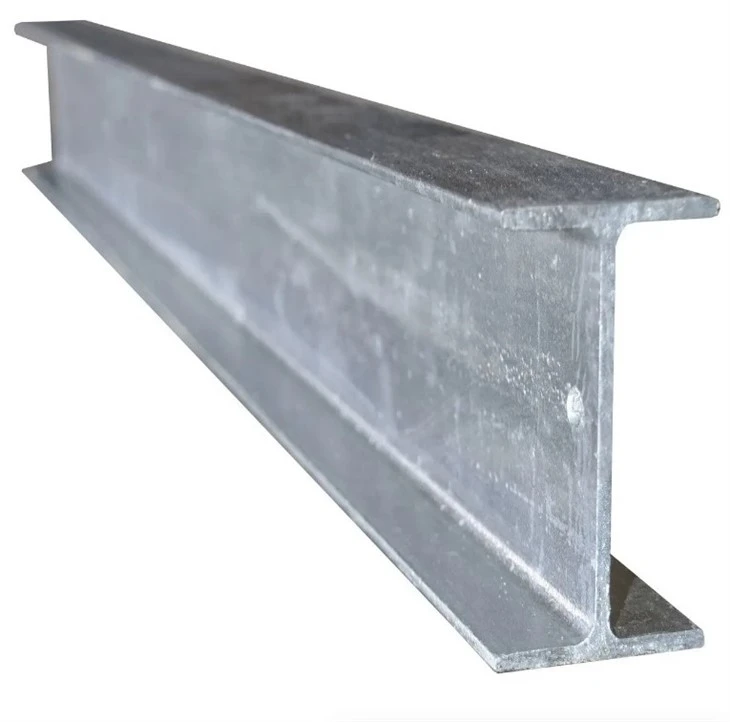
Moisture is one of the main culprits when it comes to corrosion. In humid environments, water can condense on the steel surface, providing an ideal medium for corrosion to occur. To prevent this, you can use dehumidifiers in enclosed spaces or ensure proper ventilation. For outdoor applications, you can design structures in a way that allows water to drain off easily. Avoid creating areas where water can pool, as this can accelerate the corrosion process.
Chemical Exposure
If the Ipe S235 is exposed to chemicals, it's important to take appropriate measures to protect it. For example, in industrial settings where the steel may come into contact with acids or alkalis, you can use chemical - resistant coatings or enclosures. You should also monitor the chemical environment regularly to detect any changes that could potentially increase the risk of corrosion.
4. Maintenance and Inspection
Regular maintenance and inspection are essential for ensuring the long - term corrosion resistance of Ipe S235.
Inspection
Perform regular visual inspections to check for any signs of corrosion, such as rust spots or discoloration. You can also use non - destructive testing methods like ultrasonic testing or magnetic particle testing to detect internal corrosion or defects. Early detection of corrosion allows you to take corrective actions before the damage becomes severe.
Maintenance
If you notice any signs of corrosion during the inspection, take immediate action. This may involve cleaning the corroded area, applying a new coating, or replacing the damaged parts. Regular cleaning of the Ipe S235 surface can also help prevent the accumulation of dirt and debris, which can trap moisture and accelerate corrosion. You can find more about high - quality steel products like A572 A992 Steel H Beam and their maintenance requirements on our website.
In conclusion, improving the corrosion resistance of Ipe S235 is a multi - faceted process. By using surface coatings, alloying, environmental control, and regular maintenance and inspection, you can significantly extend the lifespan of this material. If you're in the market for Ipe S235 or have any questions about improving its corrosion resistance, don't hesitate to reach out. We're here to help you make the best choices for your projects.
References
- "Corrosion Science and Engineering" by John W. Martin
- "Steel Structures: Design and Behavior" by Subhash C. Goel