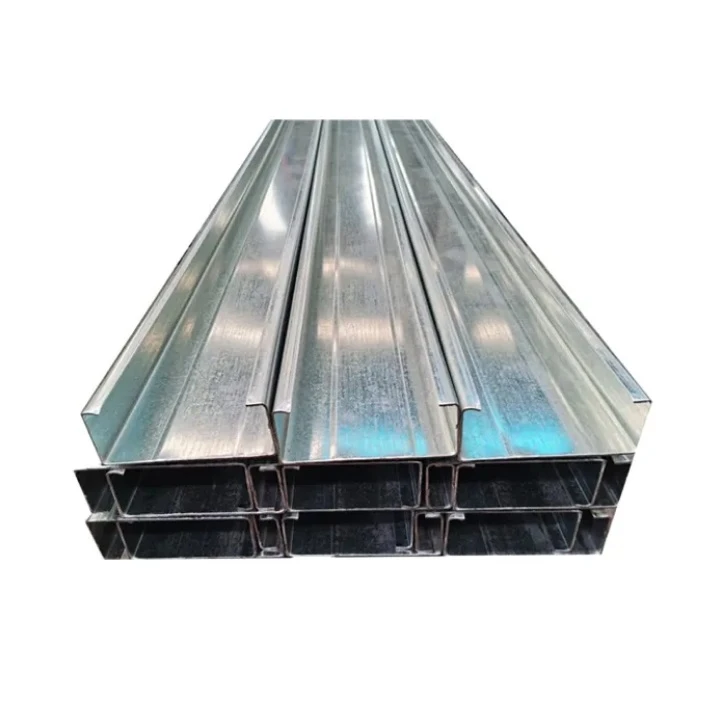
Hey there! I'm a supplier of 100mm C purlins, and I know how important it is for these purlins to have good corrosion resistance. Corrosion can seriously reduce the lifespan and performance of C purlins, which is a headache for both us suppliers and our customers. So, in this blog, I'm gonna share some tips on how to improve the corrosion resistance of 100mm C purlins.
Understanding the Corrosion Process
First things first, let's talk about what causes corrosion in the first place. Corrosion is basically a chemical reaction between the metal in the C purlins and its environment. When the metal is exposed to moisture, oxygen, and other corrosive substances like acids or salts, it starts to break down. For 100mm C purlins, this can happen when they're used in outdoor environments, in areas with high humidity, or near the ocean where there's a lot of salt in the air.
Choosing the Right Material
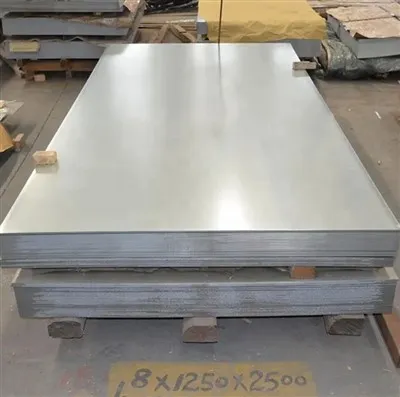
One of the most important steps in improving corrosion resistance is choosing the right material for your 100mm C purlins. We usually use steel for C purlins, but not all steels are created equal. Galvanized steel is a great option. It's coated with a layer of zinc, which acts as a sacrificial anode. This means that the zinc corrodes first, protecting the underlying steel from corrosion. The thicker the zinc coating, the better the protection.
Another option is stainless steel. Stainless steel contains chromium, which forms a thin, protective oxide layer on the surface of the metal. This layer prevents oxygen and moisture from reaching the metal, reducing the risk of corrosion. However, stainless steel can be more expensive than galvanized steel, so it might not be the best choice for every project.
Surface Treatment
In addition to choosing the right material, surface treatment can also significantly improve the corrosion resistance of 100mm C purlins. There are several surface treatment methods available, and here are a few common ones:
Painting
Painting is a simple and cost - effective way to protect C purlins from corrosion. A good quality paint can create a barrier between the metal and the environment, preventing moisture and oxygen from reaching the surface. Before painting, the surface of the purlins needs to be properly cleaned and prepared to ensure good adhesion of the paint. You can choose different types of paint depending on the environment where the purlins will be used. For example, in a highly corrosive environment, you might want to use a paint with anti - corrosion additives.
Powder Coating
Powder coating is another popular surface treatment method. It involves applying a dry powder to the surface of the purlins and then heating it to form a hard, durable coating. Powder coating provides excellent corrosion resistance and is also more environmentally friendly than traditional painting methods. It's available in a wide range of colors, so you can choose a finish that suits your aesthetic needs.
Phosphating
Phosphating is a chemical treatment that creates a phosphate coating on the surface of the metal. This coating helps to improve the adhesion of paint or other coatings and also provides some degree of corrosion protection. Phosphating is often used as a pre - treatment before painting or powder coating.

Proper Installation and Maintenance
Even if you choose the right material and apply the appropriate surface treatment, proper installation and maintenance are still crucial for ensuring the long - term corrosion resistance of 100mm C purlins.
Installation
During installation, make sure the purlins are properly supported and spaced. Avoid over - tightening the fasteners, as this can damage the surface coating and increase the risk of corrosion. Also, make sure the purlins are installed in a way that allows for proper drainage. Water pooling on the surface of the purlins can accelerate corrosion.
Maintenance
Regular maintenance is essential for keeping your C purlins in good condition. Inspect the purlins periodically for signs of corrosion, such as rust spots or flaking paint. If you notice any damage to the surface coating, repair it as soon as possible. You can touch up the paint or re - apply the powder coating to the affected areas.
Comparison with Other Purlins
It's also worth comparing 100mm C purlins with other types of purlins in terms of corrosion resistance. For example, Steel Z Purlins have a different shape, which can affect their corrosion resistance. The shape of Z purlins might make it easier for water to drain off, reducing the risk of water pooling. However, the corrosion resistance of Z purlins also depends on the material and surface treatment used.
150 C Purlin is another option. The larger size might provide more structural strength, but it also has a larger surface area that's exposed to the environment. This means that proper corrosion protection is even more important for 150 C purlins.
C Section Steel Channel is similar to C purlins in shape, but it can be used in different applications. The same principles of corrosion resistance apply, such as choosing the right material and surface treatment.
Conclusion
Improving the corrosion resistance of 100mm C purlins is a multi - step process that involves choosing the right material, applying appropriate surface treatment, and ensuring proper installation and maintenance. By following these tips, you can significantly extend the lifespan of your C purlins and reduce the risk of corrosion - related problems.
If you're interested in purchasing high - quality 100mm C purlins with excellent corrosion resistance, feel free to reach out to me for more information and to discuss your specific requirements. I'm here to help you find the best solution for your project.
References
- Jones, D. A. (1992). Principles and Prevention of Corrosion. Prentice Hall.
- Uhlig, H. H., & Revie, R. W. (1985). Corrosion and Corrosion Control: An Introduction to Corrosion Science and Engineering. Wiley - Interscience.