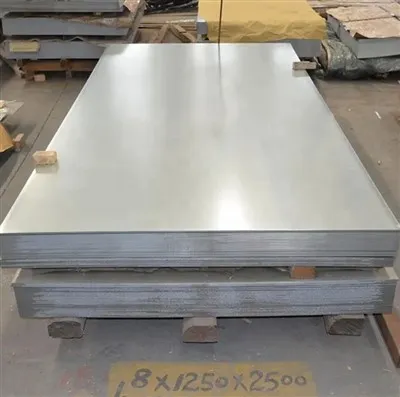
Choosing the right steel plate for a project can be a real head - scratcher. As a steel plate supplier, I've seen firsthand how crucial it is to make the right pick. There are so many factors to think about, and getting it wrong can lead to all sorts of problems down the line. In this blog, I'll share some tips on how to select the perfect steel plate for your project.
First off, you've got to understand the project requirements. What's this steel plate going to be used for? Is it for a building that needs to withstand high winds and heavy loads, like a skyscraper? Or is it for a smaller, more lightweight structure such as a shed in your backyard? If you're building a bridge, for example, you'll need a steel plate that can handle large amounts of stress and vibration. In most cases, high - strength steel plates are going to be your best bet. They're tough and can hold up under a lot of pressure.
Another aspect of project requirements is the environment the steel plate will be in. If it's going to be outside exposed to the elements, you need to consider corrosion resistance. Rust can eat away at steel over time, weakening it and shortening its lifespan. That's where weather - resistant steel like A588 Steel Plate comes in handy. It forms a protective layer on its surface when exposed to the weather, which helps prevent further corrosion.
The size and thickness of the steel plate also matter a great deal. You wouldn't want to use a thin plate when you need something thick and sturdy. Measure out the exact dimensions of the area where the steel plate will be installed. And remember, the thickness is tied to the strength. Thicker plates are generally stronger and can support more weight. But you don't want to overdo it either. Adding extra thickness that you don't really need is just going to jack up the cost.
Now, let's talk about the type of steel. There are different grades and alloys available, each with its own unique properties.
1. Carbon Steel
Astm Carbon Steel Plate is a really common choice. It's got carbon as its main alloying element, and depending on the amount of carbon, it can have different levels of strength and hardness. Low - carbon steel is more ductile and easier to form, which makes it great for things like car bodies and pipes. High - carbon steel, on the other hand, is super hard and strong, but it's a bit more brittle. It's often used in cutting tools and springs.
2. Alloy Steel
This type of steel has other elements like chromium, nickel, or molybdenum added to it. These extra elements can enhance certain properties. For example, adding chromium can increase corrosion resistance, while nickel can improve toughness at low temperatures. Alloy steel is often used in high - performance applications where you need a combination of different properties, like in aircraft parts or high - speed machinery.
3. Stainless Steel
Known for its excellent corrosion resistance, stainless steel is a popular choice for applications where hygiene and cleanliness are important, like in the food and beverage industry or medical equipment. It's also used in outdoor structures where it won't rust, giving it a long service life.
4. Structural Steel
Designed for construction purposes, structural steel is made to support heavy loads. Ss400 Plate is a type of structural steel plate that's widely used in building frames and other structural applications. It has good strength and weldability, making it easy to work with on construction sites.
Cost is always a big factor when choosing a steel plate. You've got to balance the quality and performance you need with what you can afford. Cheaper steel might seem like a good idea at first, but if it doesn't meet the project requirements, you could end up spending more in the long run on repairs or replacements. On the flip side, going for the most expensive option without really needing all the fancy features is a waste of money.
Think about the availability of the steel plate too. You don't want to hold up your project waiting for a specific type of steel to be delivered. Some specialty steels might have longer lead times, so if you're on a tight schedule, you might need to look for more common alternatives.
You should also consider the supplier. A reliable supplier like us can make a huge difference. We've got a wide range of steel plates in stock, so we can usually get you what you need quickly. We also provide technical support, so if you're not sure which steel plate is right for your project, you can give us a shout.
Fabrication requirements are another point to keep in mind. Some steel plates are easier to cut, bend, and weld than others. If your project involves a lot of fabrication work, you'll want to choose a steel plate that's more workable. For example, low - carbon steel is generally easier to form and weld compared to high - strength alloy steels.
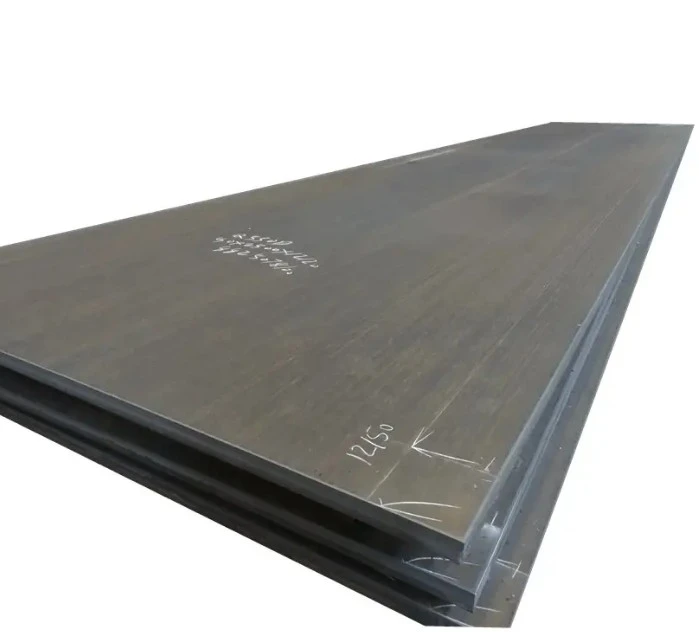
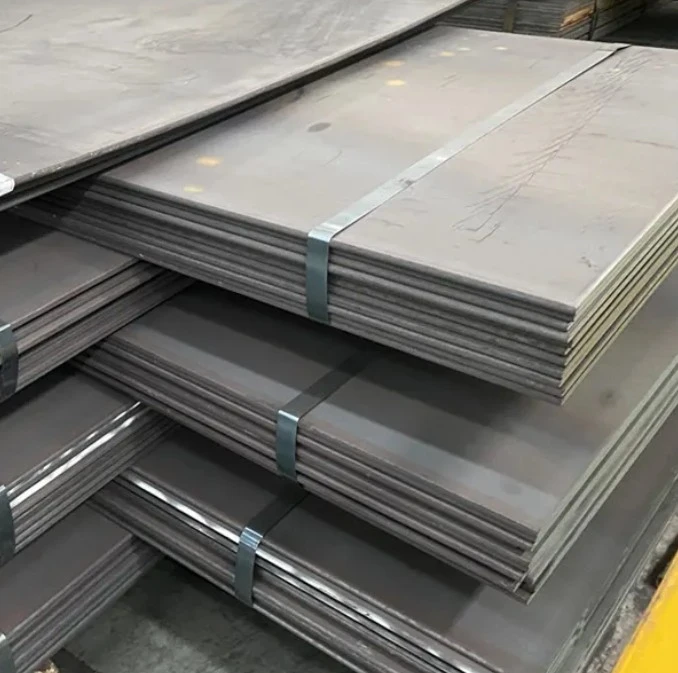
When you're comparing different steel plates, look at the manufacturer's specifications. These will tell you all about the mechanical properties, chemical composition, and any other important details. Pay attention to things like yield strength, tensile strength, elongation, and hardness. These numbers will give you a good idea of how the steel plate will perform in your project.
In conclusion, choosing the right steel plate for a project is all about understanding your project requirements, considering the type of steel, factoring in cost and availability, and working with a reliable supplier. By taking the time to do your research and ask the right questions, you can ensure that you get the best steel plate for your needs.
If you're in the process of planning a project and need help choosing the right steel plate, don't hesitate to reach out. I'd be more than happy to have a chat and find the perfect solution for you. Let's work together to make your project a success!
References
- Steel Construction Manual, American Institute of Steel Construction
- Handbook of Steel for the Construction Industry, various industry experts